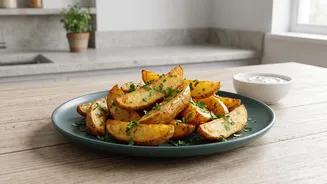







Why Fresh Herbs Make a Difference
The humble potato is a brilliant canvas for flavour, but it needs a helping hand. While dried herbs and powders have their place, fresh herbs offer a vibrant, aromatic quality that can't be matched. They introduce a depth and brightness that transform
the wedges into a more intentional and flavourful part of your meal. The magic lies in their essential oils, which release a powerful aroma when chopped and warmed, and a complex taste that complements the earthy potato perfectly. From the woody notes of rosemary to the fresh kick of parsley, using fresh herbs is the single easiest way to make your potato wedges feel less like an afterthought and more like a star attraction.
The Hardy Classics: Rosemary and Thyme
When you think of roasted potatoes, certain herbs immediately come to mind for a reason. Hardy herbs like rosemary and thyme are robust enough to withstand the high heat of the oven. You can toss them with your potato wedges, oil, and salt right from the beginning of the cooking process. As the potatoes roast, these herbs infuse the oil and the potatoes themselves with a deep, savoury, and slightly woodsy flavour. For rosemary, you can either use whole sprigs or chop the needles finely. Thyme can be added as whole sprigs as well, with the leaves falling off naturally as they cook, or you can strip the leaves from the stem before tossing. These herbs create that classic, comforting flavour profile that is almost synonymous with a perfect roast.
The Fresh Finishers: Parsley, Chives, and Dill
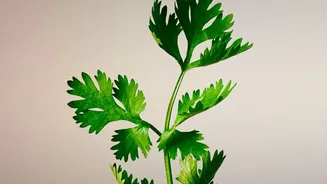
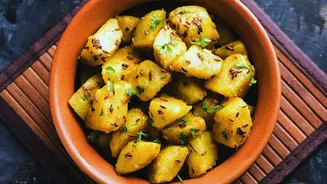
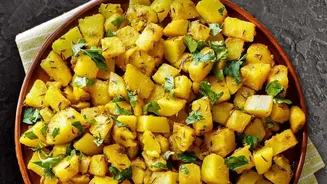
Not all herbs are created equal when it comes to heat. More delicate, leafy herbs like parsley, chives, and dill will lose their flavour and can even burn if added too early. Their strength lies in their fresh, pungent, and bright notes, which are best preserved by adding them at the very end. Once your wedges are golden and crispy, remove them from the oven and toss them in a bowl with a generous amount of chopped fresh parsley, chives, or dill. The residual heat will be just enough to release their aromas without cooking them. Parsley adds a clean, peppery taste, chives provide a mild oniony bite, and dill offers a unique, slightly tangy flavour that works wonderfully with a side of sour cream or a yogurt-based dip.
Creating Your Own Herb Blends
The real fun begins when you start mixing and matching. There are no strict rules, and creating your own signature herb blend is a great way to personalize your wedges. You can combine hardy herbs at the beginning of the cook with fresh finishers at the end. A popular and effective combination is roasting the potatoes with rosemary and garlic powder, then finishing with a toss of fresh parsley and chives. For a Mediterranean feel, try roasting with oregano and finishing with fresh dill. If you enjoy a bit of zest, a squeeze of fresh lemon juice and its zest added along with the finishing herbs can brighten all the flavours. Don't be afraid to experiment with other herbs like sage, marjoram, or tarragon to see what you like best.
Tips for Perfect Herb-Infused Wedges
To get the most out of your herbs, you first need a perfect potato wedge. For maximum crispiness, some cooks swear by soaking the cut wedges in cold water for at least 30 minutes. This draws out excess starch, which helps them crisp up in the oven. After soaking, it's crucial to pat them completely dry; any remaining moisture will create steam and prevent browning. When roasting, arrange the wedges in a single layer on the baking sheet, ensuring they aren't overcrowded, which can also lead to steaming instead of roasting. Placing them cut-side down for the first half of the cook helps create a beautiful golden crust. Finally, when adding fresh herbs at the end, toss them with the hot potatoes in a large bowl to ensure every single wedge gets coated in that vibrant, fresh flavour.