



The New Festival Special Train
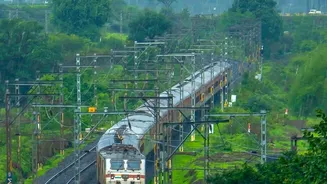
To handle the anticipated surge in passenger traffic during the upcoming Durga Puja, Diwali, and Chhath festivals, Indian Railways has introduced a weekly special AC train service. Designated as train numbers 01013/01014, the service will connect Mumbai's
Chhatrapati Shivaji Maharaj Terminus (CSMT) with Bengaluru's Sir M. Visvesvaraya Terminal (SMVT). The train is scheduled to make seven trips in each direction, running on weekends from mid-October to late November 2026. Specifically, the service from Mumbai will operate every Saturday from October 10 to November 21, while the return journey from Bengaluru will run every Sunday between October 11 and November 22.
Understanding 'Seasonal Capacity Move'
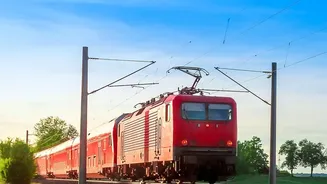
The introduction of this train is what the railways call a 'seasonal capacity move' or a 'festival special'. These are temporary services deployed to clear extra passenger rush during peak periods like holidays and festivals. According to railway officials, the traffic patterns on popular routes are monitored regularly, and these special trains are a key strategy to cater to demand spikes. The Mumbai-Bengaluru route is notoriously busy, and this train, composed of 22 coaches, primarily AC 3-Tier and AC 2-Tier, is a direct response to the expected demand. It's a short-term solution designed to offer relief when it's needed most, without committing a train rake and a permanent time slot on the congested network.
Why Not a Permanent Upgrade?
For years, there has been a persistent demand for more trains between India's financial capital and its IT hub. Before a recent bi-weekly express was introduced, only one direct daily train, the Udyan Express, served this high-demand corridor, taking around 22-24 hours for the journey. The core challenge in adding permanent new trains is extreme network congestion. Key routes like Mumbai-Bengaluru operate at over 100% capacity, with tracks shared by passenger trains, goods trains, and maintenance operations. Finding a permanent daily slot for a new train is a massive logistical puzzle, requiring adjustments across multiple train schedules and coordination between different railway zones, like Central Railway and South Western Railway. Running a temporary special, often at off-peak hours, is a far more feasible, though temporary, strategy.
The Bigger Picture for a Strained Route
This temporary train highlights a much larger issue: the infrastructure on vital economic corridors is struggling to keep pace with demand. The Mumbai-Bengaluru rail connection has long been described as neglected compared to other metro routes. The journey time of nearly 24 hours is significantly slower than road travel, which takes about 15-17 hours. While this festival special provides welcome, albeit temporary, relief, long-term solutions are still on the horizon. Proposals for a high-speed rail corridor have been discussed, and the introduction of a Vande Bharat Sleeper service has also been mentioned by officials as a potential future upgrade. These projects, however, are long-term endeavours, leaving passengers to rely on a mix of existing services and seasonal specials for the foreseeable future.