






Why Texture Is as Important as Taste
We often focus on balancing sweet, salty, sour, and bitter, but our mouths also crave sensory variety. Texture prevents what chefs call "palate fatigue," where each bite feels the same, leading to boredom. A dish with contrasting elements—think creamy,
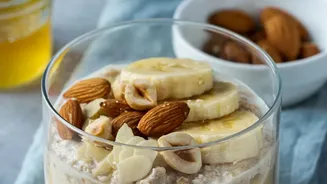
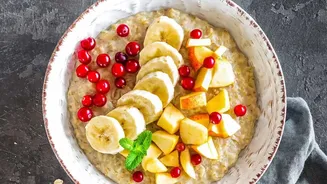
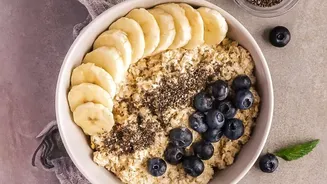
crunchy, chewy, and soft—keeps our brains engaged and makes the experience of eating more exciting. This interplay doesn't just feel good; it can even enhance how we perceive flavors. A single-note texture, like a bowl of plain porridge, can be comforting but is rarely described as thrilling. Now, add crunchy nuts, chewy dried fruit, and a smooth drizzle of honey, and you have a dish that is far more compelling.
The Core Textural Families
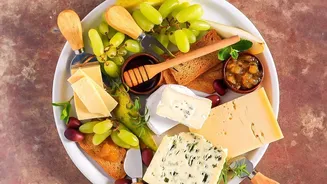
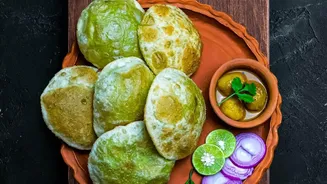
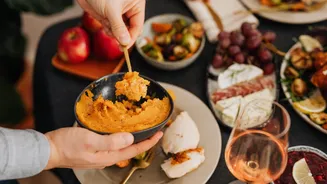
To build a great plate, it helps to think in terms of textural categories. While there are countless nuances, most food textures can be grouped into a few key families. Aim to include elements from two or three of these groups on a single plate. Key categories include: Creamy and Smooth (e.g., purées, mousses, panna cotta, soft cheese, sauces), Crunchy and Crispy (e.g., toasted nuts, seeds, fried shallots, crackers, croutons), Chewy and Tender (e.g., slow-cooked meats, al dente pasta, grilled vegetables, dried fruit), and Soft and Spongy (e.g., fresh bread, cakes, ripe fruit, soft-cooked vegetables).
The Art of Contrast and Harmony
The golden rule of textural pairing is contrast. Opposites attract and create excitement on the palate. A classic example is a crème brûlée, where the brittle, caramelized sugar cracks to reveal a silky custard below. Similarly, a creamy soup is instantly elevated by the crunch of toasted croutons. But contrast isn't the only goal; you also need harmony. The textures should feel like they belong together. For instance, while a creamy soup and crunchy croutons work, a creamy soup with chewy gummy candies would be jarring and unpleasant because the textures are not congruent. The goal is to create a plate that feels both interesting and cohesive.
Building Your Plate, Step by Step
Start with your 'hero' element—the main protein or vegetable. Consider its texture first. Is it a tender piece of fish? A chewy cut of steak? A soft block of paneer? From there, build around it with contrast. If you have a soft piece of seared salmon, add something crunchy like crispy skin or a scattering of toasted sesame seeds. Then, introduce a creamy element, like a cauliflower purée or a smooth yogurt-based sauce. Think in layers, starting with a base (often the smoothest component, like a sauce or purée) and building up, adding height and dimension as you go.
Finishing Touches That Make a Difference
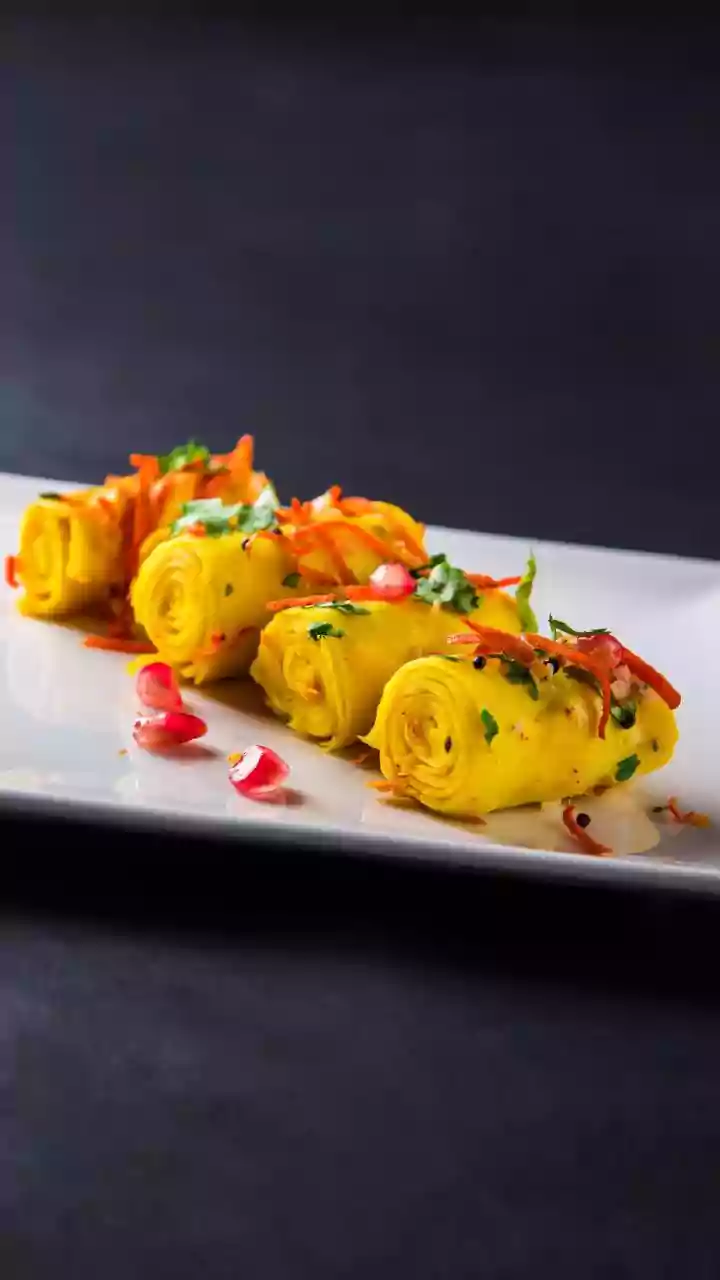
Garnishes are your secret weapon for adding a final textural pop. They shouldn't be an afterthought. A sprinkle of flaky sea salt, a few toasted nuts or seeds, crispy fried herbs, or even fresh microgreens can add that last bit of complexity that ties the whole dish together. These small additions provide a final, surprising crunch or freshness that makes the plate memorable from the first bite to the last. Even a simple drizzle of high-quality oil or a crumble of cheese can add a textural dimension you didn't know was missing.