





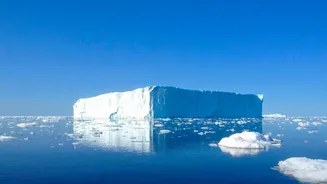
An Iceberg the Size of a City
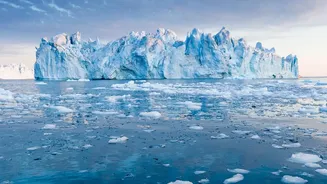
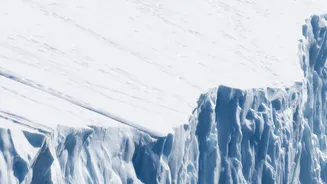
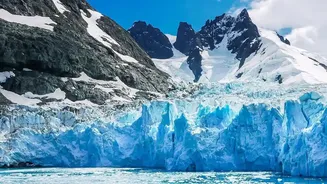
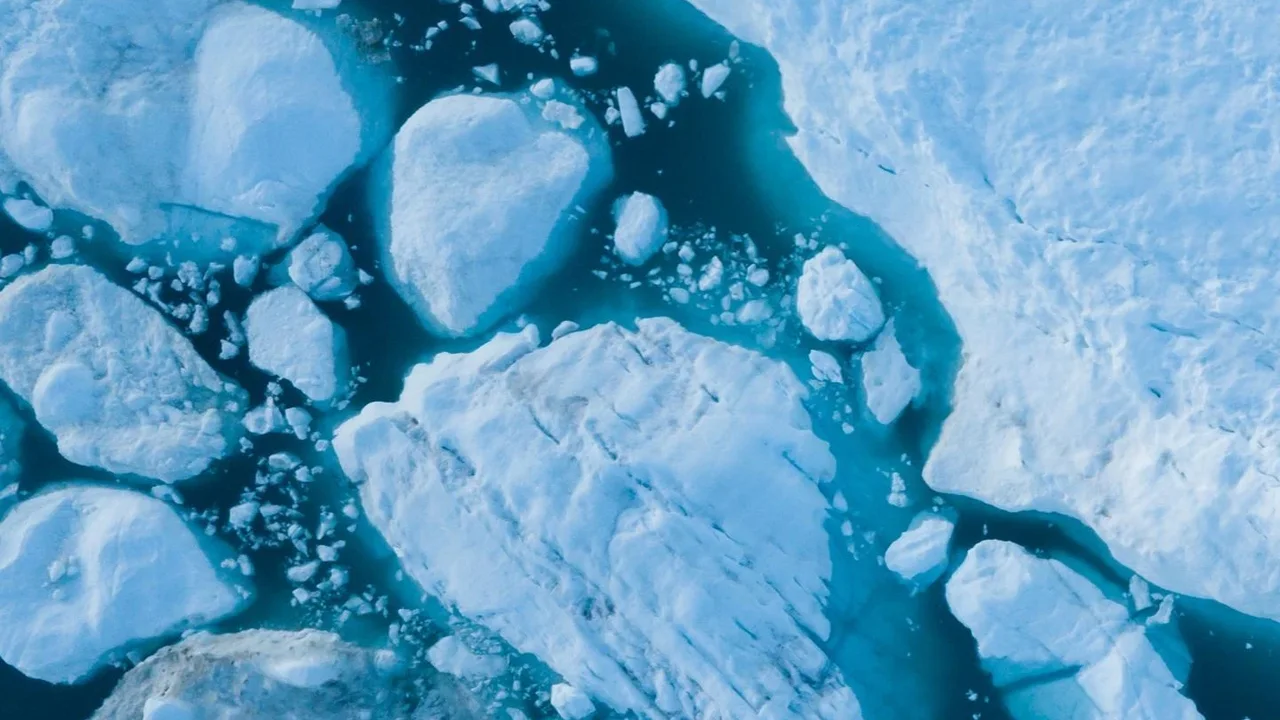
On August 4, 2026, a vast slab of ice measuring approximately 76 square kilometres broke away from the Petermann Glacier in northwest Greenland. This process, known as calving, created a new free-floating iceberg, or 'ice island', with a thickness estimated
at up to 150 metres. To put its immense scale into perspective, the surface area of this new iceberg is comparable to that of Manhattan. The European Space Agency’s Copernicus Sentinel-1 mission captured the event, which scientists had been anticipating for years as they monitored growing fractures in the glacier's floating ice tongue. The break was identified by an international team of researchers who have been tracking the glacier’s instability since 2019.
Why Petermann Glacier Matters
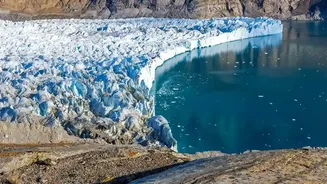
Petermann is one of the largest and most significant glaciers in the Northern Hemisphere. It features a long floating ice tongue that connects the vast Greenland ice sheet directly to the Arctic Ocean. This tongue acts like a cork in a bottle, providing a buttressing effect that slows the flow of ice from the interior of Greenland into the sea. When major calving events like this one occur, they can weaken this natural barrier. While the iceberg itself is already floating and its melting won't dramatically raise sea levels on its own, the loss of the ice tongue can accelerate the flow of the grounded ice behind it. This acceleration is what truly worries scientists, as it means more land-based ice ends up in the ocean, directly contributing to a rise in global sea levels.
An Echo of a Troubling Past
This event is the glacier’s biggest calving since a major break in 2012 and the largest in the entire Arctic since 2020. The 2012 event, along with an even larger one in 2010, significantly reduced the glacier's floating tongue. The 2010 event saw an iceberg of around 250 square kilometres break away, while the 2012 piece was about 32 square kilometres. This recent calving confirms a pattern of retreat and instability that has been observed for over a decade. Scientists are already warning that this might not be the end of the story. Existing rifts suggest that two more large sections, with estimated areas of 97 and 87 square kilometres, could detach in the near future, further shrinking the crucial ice tongue.
From Greenland's Ice to India's Shores
While Greenland may seem a world away, its fate is directly linked to coastal communities across the globe, including in India. The Greenland ice sheet holds enough frozen water to raise global sea levels by over seven metres if it were to melt entirely. Currently, its melt is responsible for about 20 percent of ongoing sea-level rise. An accelerated flow from glaciers like Petermann contributes to this phenomenon. For a country with a 7,500-kilometre coastline and major metropolises like Mumbai, Chennai, and Kolkata situated on the coast, even small increments in sea-level rise increase the risk of coastal flooding, erosion, and more extreme storm surges, threatening millions of lives and critical infrastructure.