

The Problem with Crunches
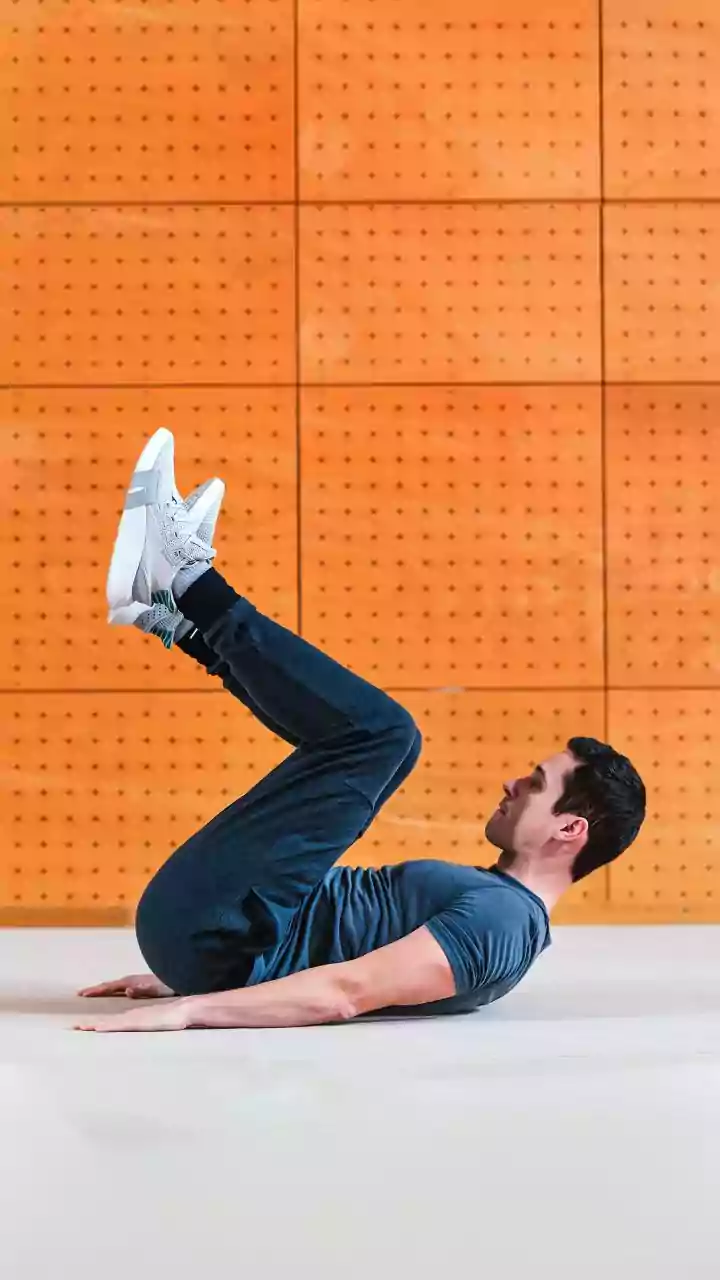
The classic crunch has been a staple of workout routines for generations, synonymous with the pursuit of a 'six-pack'. The exercise isolates the rectus abdominis, the most superficial of the abdominal muscles, creating that coveted defined look. However,
fitness philosophy has evolved. Experts now point out that the repetitive spinal flexion—the forward curling motion of a crunch—can put undue stress on the lower back and neck. This movement can compress the spinal discs, which may aggravate existing back issues or even contribute to new ones. Furthermore, crunches are limited in scope. They primarily target just one muscle group, neglecting the deeper, more functional muscles of the core that are crucial for overall stability. Many people also perform them with poor form, often pulling on their head and straining their neck, which negates many of the potential benefits.
The Power of the Plank
Enter the plank. Unlike the dynamic movement of a crunch, the plank is an isometric exercise, meaning you hold a static position. This simple act of holding your body in a straight line engages a whole symphony of muscles simultaneously. It strengthens not only the rectus abdominis but also the deep transverse abdominis (which acts like a natural corset), the obliques along your sides, and the muscles in your lower back, hips, glutes, and shoulders. This comprehensive muscle recruitment is why trainers hail the plank as a superior exercise for building 'functional' strength. This is the kind of strength that supports your body through everyday activities, from lifting groceries to maintaining good posture at your desk, and provides a stable base for athletic movements. By training the core to resist movement and stabilize the spine, planks build a type of endurance and resilience that crunches simply can't match.
Functional Strength Over Isolation
The core is more than just the six-pack muscles. It's a complex system of muscles that wraps around your entire torso, acting as the central link between your upper and lower body. True core strength is about stability, control, and the ability of these muscles to work together. Planks and their variations excel at developing this integrated strength. Research has shown that integrated exercises like planks can lead to greater muscle activation than isolation moves like crunches. One study highlighted that a plank with a hand reach activates the rectus abdominis 20 percent more than a traditional crunch. This integrated approach not only builds a stronger, more balanced physique but also significantly reduces the risk of injury by not repeatedly loading the spine in a flexed position.
Plank Variations to Get You Started
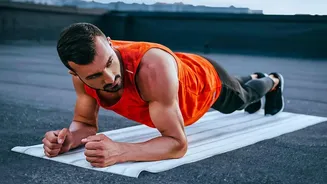
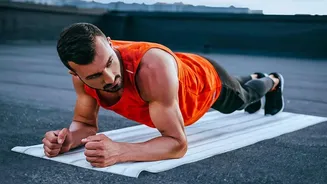
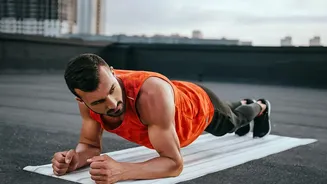
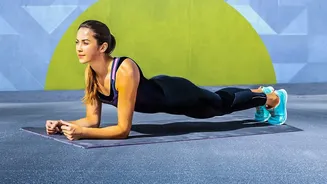
The beauty of the plank is its versatility. You can easily modify it to suit your fitness level. If you're a beginner, start with the basics to build a solid foundation. Focus on maintaining a straight line from your head to your heels (or knees) and keeping your core engaged. Knee Plank: This is an excellent starting point. Begin on all fours, then lower to your forearms with your elbows directly under your shoulders. Extend your legs back but keep your knees on the floor. Engage your abs and glutes to form a straight line from your head to your knees. Forearm Plank: The classic plank. From a push-up position, lower onto your forearms. Your body should form a rigid, straight line. Avoid letting your hips sag or rise too high. Hold for 30-60 seconds, focusing on quality form.
Challenge Your Core Further
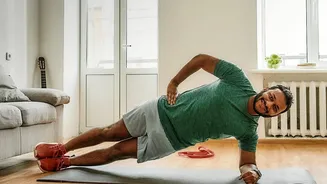
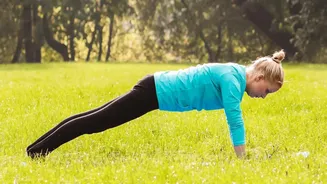
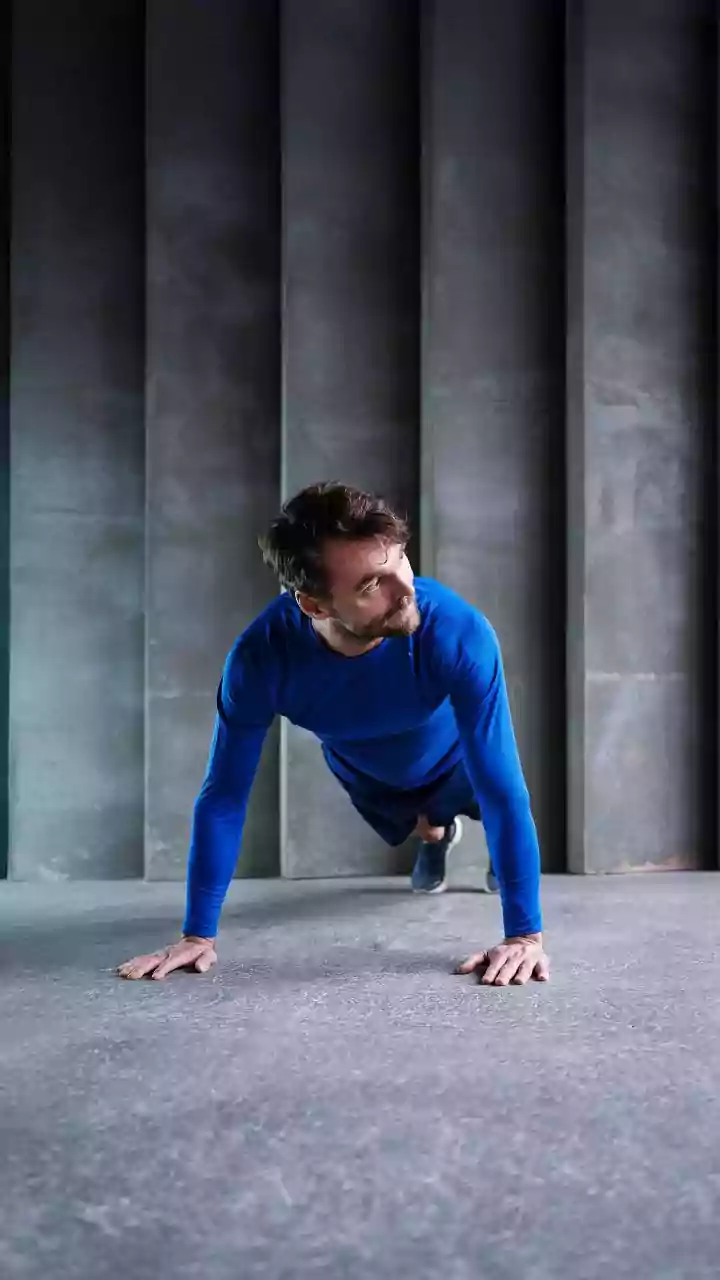
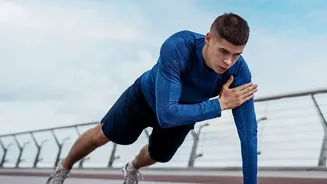
Once you can comfortably hold a standard plank for about a minute, you're ready to add movement and challenge your stability further. These variations recruit even more muscles and prevent your routine from becoming stale. Side Plank: This move is fantastic for targeting the obliques. Lie on your side, propped up on one forearm with your elbow under your shoulder. Stack your feet and lift your hips until your body is in a straight line. Hold, then repeat on the other side. Plank with Shoulder Taps: Assume a high plank position (on your hands, not forearms). Keeping your hips as still as possible, lift one hand to tap the opposite shoulder, then return it to the floor and switch sides. The key is to resist the urge to rock your hips. Plank with Knee to Chest: From a high plank position, engage your core as you lift your right foot and draw your right knee toward your chest, keeping the rest of your body stable. Return to the start and repeat with the left leg.