




The High Cost of Delay
The latest report, released by the UN Environment Programme (UNEP) and the Climate and Clean Air Coalition (CCAC), delivers a clear and urgent message. Titled 'Hidden Assets: The Economic and Health Case for Climate and Clean Air Action', its central
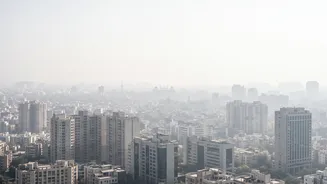
finding for Delhi is a conditional promise. If the capital meets its national air quality standards on schedule starting from 2026, it could slash the PM2.5 exposure burden by 20% by the year 2040. However, the report carries a heavy warning: an eight-year delay in implementation, which is the expected global average, would cut that benefit in half. A mere 10% reduction would mean substantially greater health risks and economic losses for millions of residents over the period.
An Economic and Health Crisis
The report frames the issue in stark economic and human terms. It is the first comprehensive global assessment of integrated climate and clean air action, and it makes a powerful case for investment. Globally, every dollar invested in tackling air pollution and climate change together could yield around $15 in economic benefits. Delay comes with a staggering price tag, with each year of inaction forgoing over $1.5 trillion in global benefits. The human cost is even more immediate. In 2025 alone, outdoor air pollution was linked to an estimated 6.4 million premature deaths worldwide, with an additional 2 million from household air pollution. These are not just statistics; they represent millions of lives cut short and families devastated by preventable illnesses.
Identifying the Solutions
The UN report doesn't just diagnose the problem; it also outlines a clear path forward. It identifies 25 feasible solutions that can simultaneously address both air pollution and climate change. Many of these are well-known and readily available measures. They include accelerating the shift to renewable power, making significant improvements in energy efficiency, scaling up the use of clean cooking and heating technologies, and enforcing stricter vehicle emission and efficiency standards. The report highlights that institutional barriers are the single biggest cause of delays globally, accounting for years of lost progress. Overcoming these hurdles is presented as the key to unlocking a healthier and more prosperous future.
What It Means for Delhiites
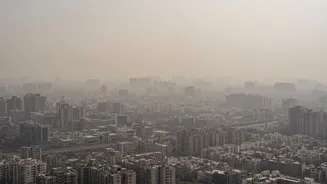
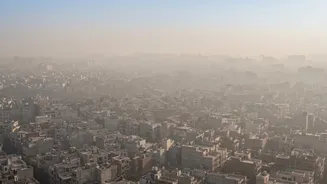
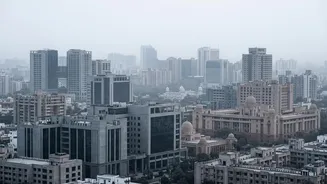
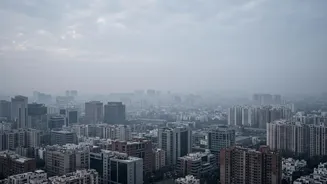
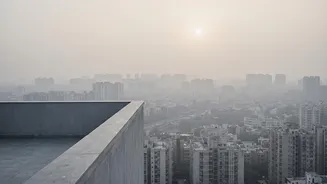
For the average resident of Delhi, the report's findings confirm what they experience every winter: a public health emergency. The city's air is often a toxic cocktail of emissions from vehicles, industry, construction dust, and seasonal crop burning. This UN report reinforces the urgency, shifting the narrative from just a seasonal nuisance to a chronic economic and health drain. The 20% reduction in PM2.5 exposure isn't an abstract number; it translates to fewer hospital visits, reduced cases of asthma and lung disease, and a better quality of life for children and the elderly, who are most vulnerable. The report effectively tells policymakers and the public that the tools for cleaner air are available and the economic case is undeniable. The only remaining question is the will to implement them without further delay.