



The Always-On Imperative for Robotaxis
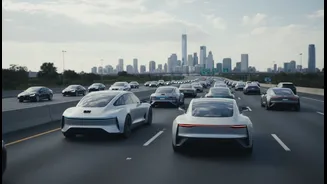
An autonomous vehicle, particularly a robotaxi without a driver, is more than just a car; it's a mobile data centre. Its ability to navigate safely and efficiently relies on a constant stream of information. While the core driving functions run on powerful
onboard computers, a persistent network connection is vital for a whole host of other operational needs. These include real-time traffic updates for dynamic routing, communication with a central fleet management system, receiving critical over-the-air software patches, and providing a channel for remote support if the vehicle encounters an unexpected situation. In a driverless car, losing the network connection isn't just an inconvenience that stops the music; it can create a 'black box' on wheels, unable to communicate its status or receive help. This makes a reliable connection as fundamental as its brakes or sensors.
When Ground Networks Go Dark
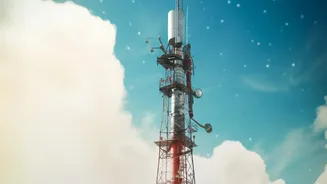
The primary way vehicles connect to the internet is through terrestrial networks, like 4G and 5G cellular systems. For the most part, these are robust and fast, especially in the urban and suburban areas where robotaxi services are first being deployed. However, these networks are not infallible. They have well-known limitations, including 'dead zones' in rural areas, underground tunnels, or even dense urban canyons where signals struggle to penetrate. Furthermore, cellular networks can become congested during peak hours or can fail entirely during natural disasters or large-scale power outages. For a single vehicle with a human driver, a dropped connection is a minor issue. For a fleet of thousands of autonomous Cybercabs, intermittent connectivity would be an operational nightmare, hindering fleet coordination and potentially stranding vehicles and passengers.
A Solution from the Stars
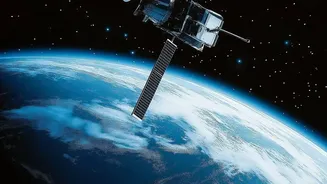
This is where satellite connectivity, provided by another Elon Musk company, Starlink, enters the picture. Recent announcements confirmed that Tesla's purpose-built Cybercab will have a Starlink V5 terminal directly integrated into the vehicle. This provides a crucial layer of redundancy. Redundancy is a core engineering principle in safety-critical systems, from aviation to autonomous vehicles, meaning that there are backup systems ready to take over if a primary component fails. In this case, the satellite link acts as a backup to the primary 5G cellular connection. If the Cybercab drives into an area with no cellular service, the Starlink connection can automatically take over, ensuring the vehicle remains connected to the fleet management network. This prevents the vehicle from going 'dark' and allows for continuous operational oversight.
More Than Just a Backup Plan
While Tesla officials have clarified that the satellite link is not required for the vehicle's safe operation—the core driving AI runs independently on the car's hardware—its role in fleet management is indispensable. The constant connectivity ensures Tesla can monitor its fleet, assist a vehicle if it gets stuck, and push important updates. For passengers, the benefits are more direct. The high-speed internet connection will enable high-bandwidth activities like streaming 4K video, a feature Musk himself has highlighted. This dual purpose—operational redundancy for the fleet and a premium amenity for the rider—makes the integration a strategic move. It addresses a key logistical challenge for scaling a robotaxi service while simultaneously enhancing the passenger experience, turning a ride into a mobile entertainment lounge.
The Path to a Connected Fleet
Integrating a satellite dish into millions of future Cybercabs represents a significant synergy between Musk's automotive and aerospace ventures. It creates a built-in, large-scale customer for SpaceX's Starlink service. While some analysts note that the initial robotaxi deployments are in cities with strong cellular coverage, making the satellite backup less critical today, it's a forward-looking decision. As Tesla aims to expand its robotaxi network into more diverse geographic areas, the ability to guarantee a connection regardless of local infrastructure will become a powerful competitive advantage. This strategy of building in redundancy from the start, whether for charging ports or connectivity, shows Tesla is designing the Cybercab not just for an ideal future, but for the practical realities of the world today, ensuring the service is as reliable and seamless as possible from day one.