


The Planets on Parade
September 2026 is a fantastic month for planet spotting, with all five naked-eye planets making an appearance. Venus is the undeniable star of the evening sky, blazing brilliantly in the west after sunset. It reaches its peak brightness around September 22,
shining more brightly than any other object in the night sky except for the Moon. Saturn will be visible for much of the night, appearing as a bright, steady light. You can find it near the full Harvest Moon on the night of September 26. For early risers, the pre-dawn sky offers its own rewards. Mars, with its distinct reddish hue, will be visible in the east, and on September 8, the crescent Moon will have a close encounter with the giant planet Jupiter, a beautiful sight just before sunrise. Mercury makes a brief appearance late in the month, low on the western horizon at dusk.
The Harvest Moon and its Significance
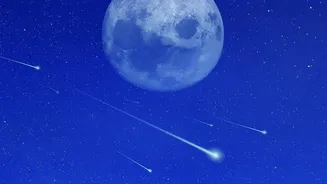
The major lunar event this month is the full Harvest Moon, which will reach its peak illumination in India on the night of September 26. This full moon gets its name because it is the one closest to the autumnal equinox. Historically, its bright light helped farmers work late into the evening to bring in their crops. The Harvest Moon will rise around sunset, and when it is low on the horizon, it may appear with a stunning yellow or orange colour. This is because its light is travelling through more of Earth's atmosphere. For many in India, this full moon also marks the beginning of Pitru Paksha, a period for honouring ancestors.
Constellations and the Summer Triangle
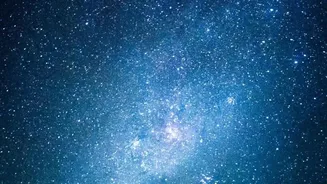
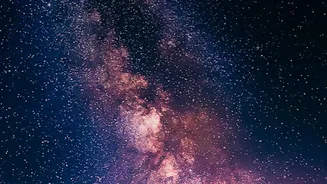
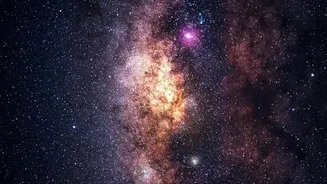
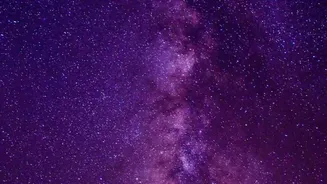
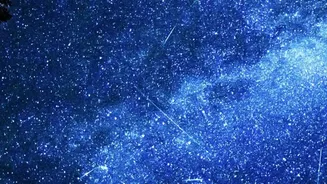
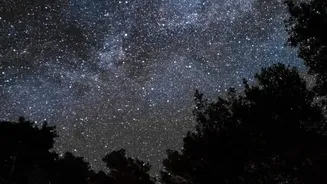
September is an excellent time to get acquainted with some of the sky's most famous star patterns. High overhead after dark, you can still spot the Summer Triangle. This is not a constellation itself, but a large asterism formed by three brilliant stars from three different constellations: Vega (in Lyra, the Lyre), Deneb (in Cygnus, the Swan), and Altair (in Aquila, the Eagle). The constellation Cygnus is particularly easy to find as its brightest stars form a pattern known as the Northern Cross, which lies along the faint band of the Milky Way. Also visible are the zodiac constellations of Capricornus and Pisces. For those with binoculars and away from city lights, September evenings provide one of the last good opportunities of the year to glimpse the faint, hazy glow of the core of our own Milky Way galaxy low in the southwest.
The Autumnal Equinox
September marks a change of seasons, not just on the ground but in the sky. The autumnal equinox for the Northern Hemisphere will occur on September 22 or 23, depending on your exact time zone. In India, this event happens on September 23. An equinox is an astronomical event when the Sun is positioned directly over the Earth's equator. On this day, the length of day and night are nearly equal across the globe. It signals the official end of summer and the beginning of autumn, heralding longer nights and cooler temperatures, which are perfect for stargazing.
Tips for the Best Viewing Experience
You don't need expensive equipment to enjoy September's night sky. Many of the month's highlights, like the planetary conjunctions and the full moon, are easily visible with the naked eye. However, to make the most of it, try to find a location away from bright city lights. The nights around the New Moon on September 11 will be the darkest, making them ideal for spotting fainter objects like the Andromeda Galaxy or the Milky Way. Give your eyes at least 15-20 minutes to fully adjust to the darkness. Even a simple pair of binoculars can dramatically enhance your view, revealing the craters on the Moon, the moons of Jupiter, or the countless stars packed into the Milky Way.