



The Case for Mushrooms: An Earthy Powerhouse
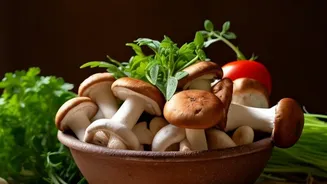
Mushrooms occupy a unique space in the culinary world, as they are technically fungi, not vegetables. This distinction is key to their nutritional identity. They are a fantastic source of B vitamins, particularly riboflavin (B2), niacin (B3), and pantothenic
acid (B5), which are all crucial for helping the body produce energy and maintain a healthy nervous system. Another standout feature is their mineral content. Mushrooms are one of the best dietary sources of selenium, a powerful antioxidant that helps protect cells from damage. They also provide a significant amount of potassium, copper, and the unique antioxidant ergothioneine. Perhaps most famously, mushrooms have a rare ability among produce items: they can generate vitamin D when exposed to UV light, much like human skin. Exposing sliced mushrooms to sunlight for just 15-20 minutes before cooking can dramatically increase their vitamin D content, a nutrient vital for bone health and immune function.
The Case for Zucchini: A Hydrating Hero
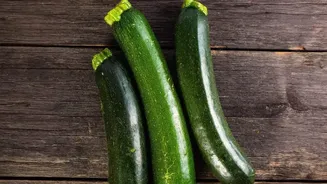
Zucchini, a type of summer squash, is technically a fruit but is treated as a vegetable in the kitchen. Its primary characteristic is its high water content—about 94%—which makes it incredibly hydrating and low in calories. Where zucchini truly shines is in its vitamin content. It's an excellent source of vitamin C, a potent antioxidant essential for immune support and collagen production. It also provides a good amount of vitamin A, which supports vision and immune function, along with manganese, folate, and vitamin B6. Zucchini is also rich in antioxidants, especially carotenoids like lutein and zeaxanthin. These compounds are particularly beneficial for eye health, helping to protect against age-related conditions. To get the most benefit, it's best to leave the skin on, as it contains the highest concentration of these valuable antioxidants.
Head-to-Head: A Nutrient Comparison
When placed side-by-side, the distinct roles of mushrooms and zucchini become clear. For B vitamins and key minerals like selenium and copper, mushrooms have a clear advantage. Zucchini, however, is the undisputed winner when it comes to vitamin C and vitamin A content. Both are good sources of potassium, though mushrooms often have a slight edge. In terms of antioxidants, they offer different kinds. Mushrooms provide the unique ergothioneine, while zucchini is loaded with the eye-healthy carotenoids lutein and zeaxanthin. Calorie-wise, both are very low, making them excellent choices for weight management. If you're looking for a non-animal source of vitamin D, mushrooms are your only option in this matchup. Conversely, if you want to boost your intake of immune-supporting vitamin C, zucchini is the way to go.
Flavor, Texture, and Culinary Roles
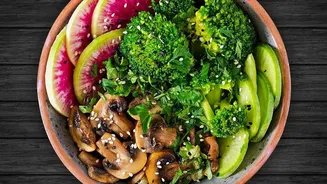
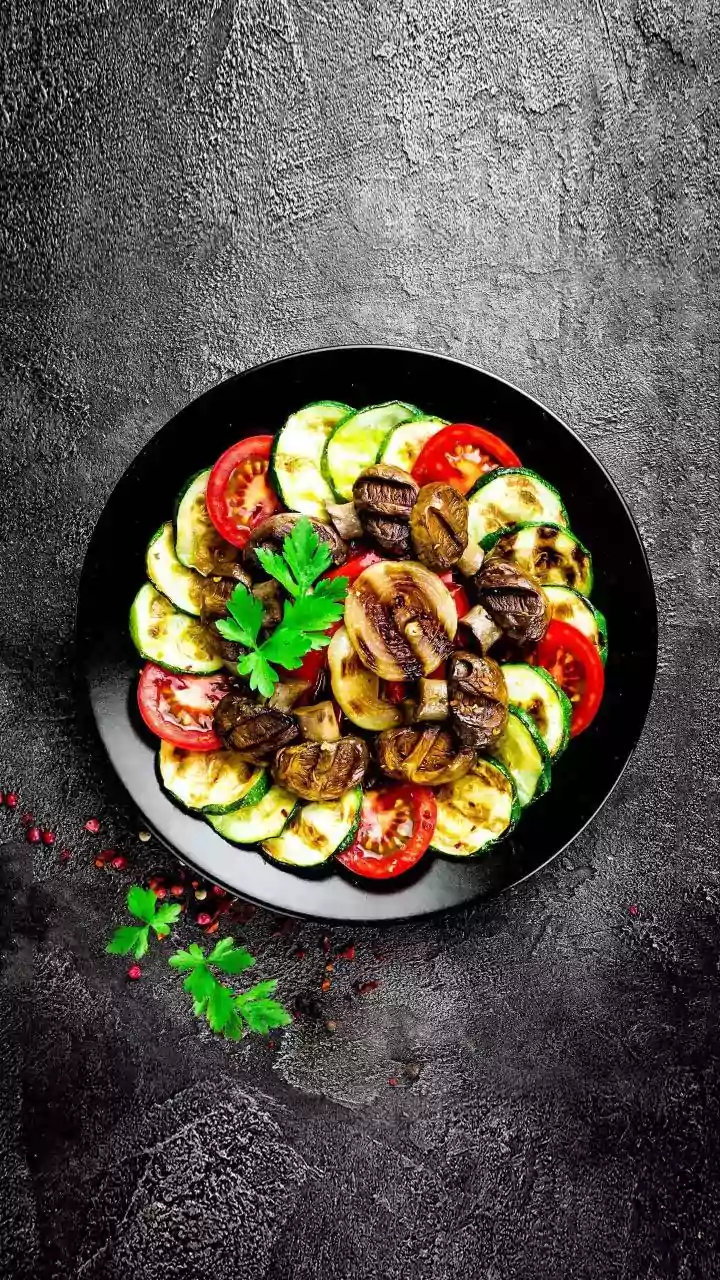
Beyond nutrition, their textures and flavors dictate how they are best used in cooking. Mushrooms possess a firm, almost 'meaty' texture and are prized for their deep, savory umami flavor. This makes them an excellent meat substitute in burgers, a rich base for sauces, or a flavorful topping when roasted or sautéed. Zucchini has a much milder, subtler taste and a softer texture that readily absorbs the flavors of other ingredients. Its high water content means it can become soft when cooked, making it ideal for bulking up soups, stews, and sauces. It can also be spiralized into a low-carb noodle alternative, grilled in planks, or even shredded into baked goods like bread and muffins for added moisture.
Getting the Most from Each
To maximize the health benefits of these two foods, a little knowledge goes a long way. For mushrooms, cooking is generally recommended as it helps break down their cell walls, making their nutrients more available for absorption. To get that vitamin D boost, remember to give them some sun exposure before you cook them. For zucchini, the opposite can be true. While delicious cooked, eating it raw preserves more of its vitamin C, which can be diminished by heat. In either case, always wash the zucchini well and keep the skin on, as that is where a large concentration of its fiber and antioxidants reside. Avoid boiling zucchini, as this can cause it to become watery and leach out its valuable water-soluble nutrients.