








From Blueprint to Blast-Off
Until a few years ago, a career in space in India largely meant one destination: the Indian Space Research Organisation (ISRO). But a monumental shift has occurred. Spurred by the Indian Space Policy of 2023 and the establishment of IN-SPACe to authorise
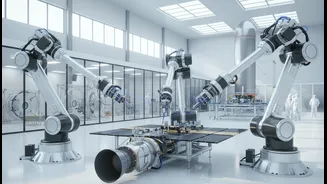
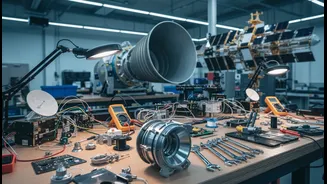
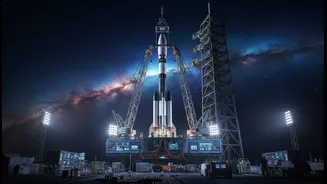
private ventures, the sector has exploded. Today, over 200 startups like Skyroot Aerospace, Agnikul Cosmos, and Pixxel are not just supporting ISRO; they are building and launching their own rockets, deploying satellite constellations, and attracting millions in global investment. Skyroot's successful orbital launch of Vikram-1 and Agnikul’s development of 3D-printed rocket engines are landmark achievements, signalling that the private industry has moved from the drawing board to the launchpad. This surge in activity means companies are scaling up fast, with some planning to double or even triple their workforce to keep pace.
The New Talent Frontier
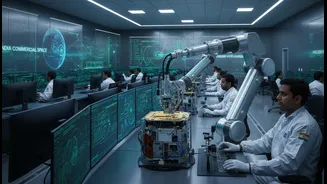
This industrialisation of space has fundamentally changed hiring needs. In the early days, startups primarily needed a core group of brilliant rocket scientists and propulsion experts. Now, as they move towards manufacturing, serial launches, and commercial operations, the demand has broadened significantly. The 'launch supply chain' is no longer a theoretical concept but a complex logistical reality that needs a diverse workforce. Companies are now desperately seeking engineers and technicians with specialised skills in avionics, guidance and control systems, power electronics, and mission design software. These are the people who design the brains of the rocket, ensure it stays on course, and manage the complex sequence of events during a launch. The challenge is that these niche skills are in short supply, with very few academic courses offering the required specialised training.
It Takes More Than Rocket Scientists
Perhaps the most telling sign of the sector’s maturation is the growing demand for non-engineering roles. To build a sustainable space business, you need more than just a powerful rocket; you need a powerful organisation. Startups are now aggressively hiring for roles that were once secondary considerations. Supply chain management professionals are essential to orchestrate the complex flow of high-precision components. With multimillion-dollar launch contracts and international clients, there's a growing need for legal experts who can navigate complex space treaties and licensing regulations. As these companies transition from R&D outfits to commercial enterprises, they also need business development managers, marketing teams, and financial analysts to build a customer base and manage their finances. Even ERPNext developers, who build software to manage business operations, are now a critical part of the space ecosystem.
The Supply-and-Demand Crunch
India produces around 8,000 aerospace engineers annually, a tiny fraction of its total engineering graduates. Many of these graduates lack the specific, hands-on skills in areas like propulsion or photonics that startups need. As a result, companies are forced to hire from adjacent industries like automotive or metallurgy and invest up to a year in on-the-job training. This talent crunch is so acute that it's attracting experienced scientists away from ISRO, who are drawn to the private sector by higher salaries, equity options, and a more agile work culture. While this brain circulation benefits the private ecosystem, it highlights the systemic challenge: the educational pipeline has not kept pace with the industry's explosive growth.
Building the Future Workforce
Recognising this bottleneck, efforts are underway to bridge the gap. IN-SPACe is working with educational bodies to introduce space-focused curricula into more engineering colleges. State governments are also stepping in, with Tamil Nadu’s Space Industrial Policy, for example, aiming to create 10,000 high-value jobs and upskill the local workforce. Companies themselves are forming partnerships with universities, like Agnikul hiring directly from top institutes such as IITs, to cultivate talent early. The long-term solution involves creating a robust ecosystem where academia and industry collaborate to produce a steady stream of professionals who are not just educated but industry-ready, capable of supporting India's goal of capturing a larger share of the $44 billion global space economy.