


The Current Situation on the Ground
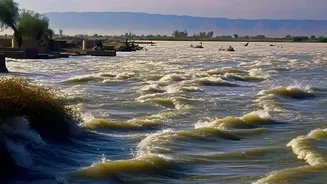
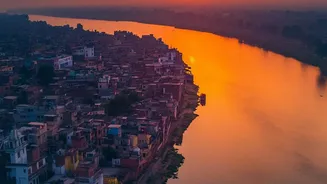
As of early September 2026, the Ganga river in Varanasi has officially crossed the designated warning level. Reports from September 3rd confirmed the water level at 70.54 meters, rising steadily at about two centimeters per hour, pushing it closer to
the danger mark of 71.262 meters. This seasonal swell is a result of heavy monsoon rains upstream. In response, the local administration is on high alert, with disaster response teams monitoring the situation and setting up relief camps for residents in low-lying areas who have been displaced.
Are Key Tourist Sites Affected?
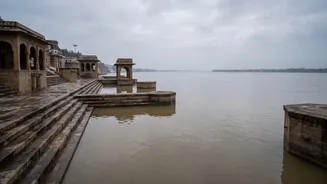
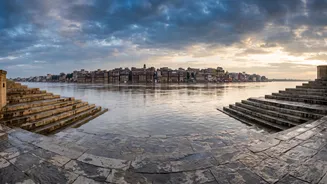
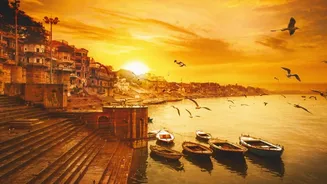
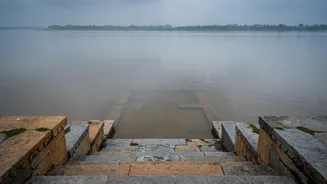
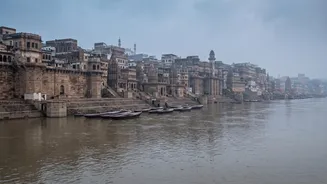
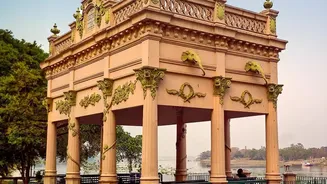
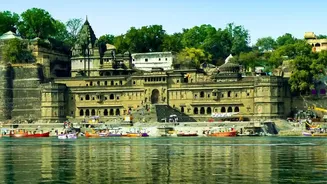
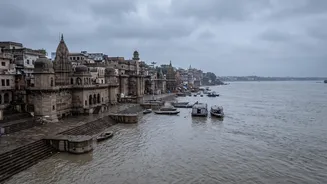
Yes, significantly. The city's iconic riverfront, a chain of nearly 84 ghats (stone steps leading to the river), is largely inundated. This means the typical activities that define a Varanasi visit are currently impossible. All boat operations, a popular way to see the city from the water, have been officially suspended by the district administration for safety reasons. Devotees and tourists are strongly advised to avoid venturing onto the submerged ghats due to the strong currents. Many of the small temples located at the water's edge are partially or fully submerged, a dramatic sight but one that renders them inaccessible.
What About the Famous Ganga Aarti?
The world-famous Ganga Aarti, a mesmerizing evening ritual of fire and faith at Dashashwamedh Ghat, has not been canceled but has been relocated. With the main platform on the ghat completely underwater, organizers have moved the ceremony to the rooftops of adjacent buildings. While the location has changed, the ritual continues. Travelers can still witness the ceremony, but the experience will be different from the traditional riverside setting. It is a testament to the city's resilience that this vital tradition adapts rather than stops.
Cremations at Manikarnika Ghat Continue
Manikarnika Ghat, one of the principal cremation grounds, is also submerged by the floodwaters. This has forced a change in how last rites are performed. Instead of the traditional location by the river's edge, cremations are now taking place on the rooftops of nearby buildings. Families are navigating knee-deep water and using boats to transport their loved ones to these makeshift pyre sites. While this is a profound disruption for grieving families, the sacred rites continue, illustrating the city's unwavering commitment to its spiritual duties even in the face of natural challenges.
Should You Cancel or Postpone Your Trip?
This depends entirely on your expectations. If your primary goal is to experience the iconic boat rides at dawn, walk the length of the ghats, and sit by the river, now is not the ideal time to visit. The quintessential riverfront experience is currently unavailable. However, Varanasi is more than just its ghats. The city's labyrinthine alleys, vibrant markets, and major temples like the Kashi Vishwanath, which is set further back from the river, remain accessible. A visit now would offer a different perspective: a city adapting to the raw power of the monsoon. If you decide to go, be prepared for disruptions, exercise extreme caution near any waterlogged areas, and follow all local advisories. If your heart is set on the classic Ganga experience, postponing your trip until after the monsoon recedes (typically by October) would be a better choice.