







The Calm Before the Storm is Over
The official withdrawal of the southwest monsoon from North India marks a critical turning point for the region's air quality. Throughout the rainy season, precipitation acts as a natural scrubber, washing pollutants out of the atmosphere. But as the rains
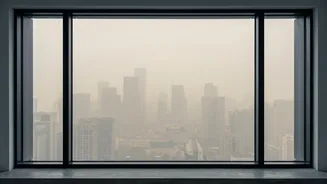
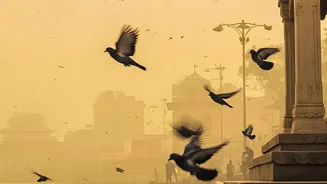
stop and the weather turns dry, this cleansing effect disappears. The first week of October 2026 has already been the most polluted in three years, with the average Air Quality Index (AQI) hitting 171 as the city's air quality began its seasonal decline. With the monsoon gone, a combination of changing weather patterns and resurgent pollution sources sets the stage for the severe smog episodes that define Delhi's winters.
A Perfect Storm of Pollutants
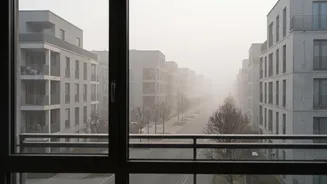
The post-monsoon decline in air quality is not accidental; it is the result of several factors converging at once. As cooler, calmer weather sets in, a phenomenon known as temperature inversion occurs. This is where a layer of warmer air in the upper atmosphere traps the cooler, denser, pollutant-laden air close to the ground, preventing it from dispersing. Compounding this meteorological trap are the region's primary pollution sources. Vehicular emissions, industrial activity, and construction dust, which are present year-round, become far more concentrated and dangerous when they have nowhere to go.
The Return of Stubble Burning
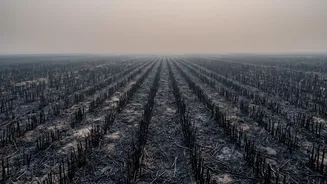
The most infamous contributor to the post-monsoon pollution crisis is stubble burning in the neighbouring states of Punjab and Haryana. Farmers burn paddy residue to quickly clear their fields for the winter wheat crop. These fires release massive plumes of smoke containing fine particulate matter (PM2.5), which are then carried by north-westerly winds directly towards Delhi-NCR. While farm fires have been reported in the season starting mid-September, their intensity typically peaks from late October through November, coinciding with the period of lowest wind speeds and creating the 'gas chamber' effect. As of early October 2026, monitoring agencies have already detected hundreds of fire incidents across several states, with flying squads deployed to Punjab and Haryana to try and curb the practice.
What is the Graded Response Action Plan (GRAP)?
To combat the predictable pollution crisis, authorities rely on the Graded Response Action Plan (GRAP), an emergency framework that enforces progressively stricter measures as the AQI worsens. Implemented by the Commission for Air Quality Management (CAQM), GRAP is divided into four stages. Stage I ('Poor' AQI) involves actions like mechanised sweeping and enforcing pollution-under-control norms. As the air quality deteriorates to 'Very Poor' and 'Severe', stricter curbs are activated, such as banning diesel generators, halting construction activities, and restricting the use of older petrol and diesel vehicles. For 2026, the GRAP has been tightened, with some restrictions now kicking in at an earlier stage to be more proactive.
The Undeniable Health Toll
The numbers on the AQI scale translate into real-world health consequences. Exposure to high levels of PM2.5 and other pollutants is directly linked to a host of ailments. In the short term, residents experience eye irritation, skin rashes, headaches, and coughing. For those with pre-existing conditions, the impact is more severe, leading to emergency room visits for asthma, chronic obstructive pulmonary disease (COPD), and acute coronary events. Long-term exposure carries even greater risks, including irreversible lung damage in children, increased incidence of heart attacks and strokes, and a higher risk of cancer.