




Understanding the New Token System
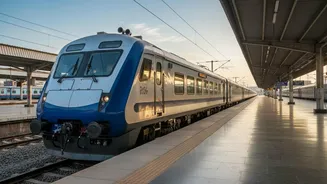
The long, overnight queues at railway reservation counters might just be a thing of the past. Indian Railways has begun rolling out a new token system for Tatkal bookings at counters across various zones. Instead of standing in a physical line for hours,
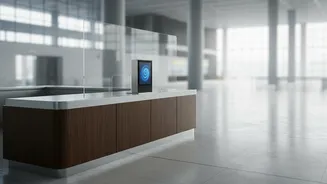
passengers now collect a numbered token which determines their sequence at the booking window. This system is designed to bring order to the chaos, reduce crowding, and make the process more transparent and efficient for everyone. It's a fundamental shift from a test of endurance to a game of strategy, where timing and preparation are your most valuable assets. This new process only applies to offline bookings at Passenger Reservation System (PRS) counters and does not affect online bookings via the IRCTC website or app.
Preparation: The First Step to Success
Before you even think about heading to the station, your victory is halfway won with good preparation. The Tatkal window is notoriously brief, and any fumbling can cost you a ticket. First, get your hands on a Tatkal reservation form and fill it out completely and accurately at home. Do not wait to do this at the counter. Double-check all passenger names, ages, and train details. Make multiple photocopies of a valid, government-issued photo ID for the primary passenger, such as an Aadhaar Card, Voter ID, or Passport. While only one original ID is typically needed during the journey, having copies ready can be helpful. Also, carry a pen. Finally, calculate the approximate fare and carry enough cash, preferably with some exact change, to ensure a swift transaction. Relying on digital payments at a busy counter can introduce delays.
The Strategy of Arrival Time
This is where the headline's advice comes into play. Under the new system, arriving at midnight is pointless. The key is to time your arrival for the token distribution window. For AC class Tatkal tickets, which begin booking at 10:00 AM, tokens are generally distributed between 8:30 AM and 9:00 AM. For Non-AC (Sleeper) class, with bookings starting at 11:00 AM, the token window is typically from 9:00 AM to 9:30 AM. Arriving around 8:15 AM for AC or 8:45 AM for Non-AC is a sound strategy. This puts you at the front of the token queue without wasting an entire night. Once you have your token—a low number is your goal—you are free to step away and return just before the main booking window opens. This is the new definition of 'first in line'.
At the Counter: The Final Steps
Once you have your token, the frantic part is over. Find a spot to wait comfortably until the main booking starts. Keep an ear out for announcements calling token numbers. When your number is called, approach the counter confidently with your filled-out form, ID proof, and cash ready. Hand over your documents to the booking clerk. Be polite, clear, and concise. The clerk is working against the clock just as much as you are. Once the ticket is printed, quickly verify the details—train number, date, and passenger names—before you leave the window. Any errors are much harder to correct once you have walked away. Remember that initially, counters may issue a limited number of tokens, often around 10 for AC and 15 for Non-AC. If you don't get a token, you may have to wait until all token holders are served for a chance at any remaining tickets.
Mistakes That Will Cost You a Ticket
In the high-stakes game of Tatkal, small errors have big consequences. The most common mistake is an incomplete or incorrectly filled reservation form. Any mistake in names or ages can lead to rejection at the counter. Another pitfall is forgetting your original photo ID, which is mandatory. Some zones have also introduced priority categories, giving preference to passengers booking for themselves or their immediate family. If this applies, you may need to prove the relationship with relevant documents. Finally, don't assume the rules are the same everywhere. While this token system is being standardized, specific timings and token limits can vary slightly by railway division or station. A quick check of the local station's notice board a day prior can provide invaluable intelligence.