







A Leap in Global Prestige
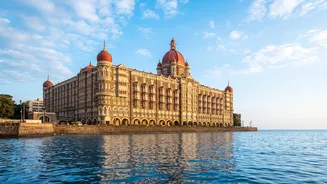
In a significant recognition for Indian hospitality, the Taj Mahal Palace in Mumbai has been named the 30th best hotel in the world. This marks an impressive eight-place climb from its rank of 38th in the previous year's list, solidifying its standing
among the global elite. As the only Indian property to make it into the top 50, the Taj Mahal Palace stands as a proud representative of the nation's luxury hotel sector on one of the industry's most-watched leaderboards. The announcement was made as part of the annual ranking, which celebrates the finest hotel experiences across the globe, from sprawling resorts to intimate boutique stays.
The 'Oscars of the Hotel World'
So, what makes this ranking so important? The World's 50 Best Hotels list is compiled based on the votes of an academy of more than 800 anonymous international experts. This diverse group includes seasoned travel journalists, prominent hoteliers, and experienced luxury travelers from 13 different regions. Unlike other awards that rely on checklists or fixed criteria, voters are simply asked to name the best hotels they have stayed in over the past two years, making the list a reflection of genuine, memorable experiences rather than a technical audit. This methodology has given the awards a reputation for credibility and authenticity, capturing the properties that are currently shaping the future of travel.
A Landmark Steeped in History
Opened on December 16, 1903, the Taj Mahal Palace predates its famous neighbour, the Gateway of India, by over two decades. Commissioned by the visionary industrialist Jamsetji Tata, the hotel was built to give Mumbai a grand institution that would rival the best in the world. Legend holds that Tata was inspired to build the hotel after being denied entry to another of the city's top hotels, which was reserved for Europeans. Built in a distinctive Indo-Saracenic style, it was the first building in the city to have electricity, German elevators, and Turkish baths. Over the decades, it has hosted everyone from maharajas and freedom fighters to global leaders and rock stars, becoming an integral part of Mumbai's story.
A Symbol of Resilience and Grace
The hotel's history is not just one of glamour, but also of profound resilience. The 2008 Mumbai attacks saw the hotel become a primary target, an event that pierced the heart of the city. Yet, its restoration and reopening became a powerful symbol of the strength of the Indian people. Ratan Tata, then chairman of the Tata Group, described the effort as an “issue of emotional triumph,” a sentiment that resonated across the country. This ability to blend its storied past with modern luxury is a key part of its appeal. Guests today find a seamless experience where heritage corridors filled with art meet contemporary dining and impeccable, personalised service.
India's Growing Presence on the World Stage
While the Taj Mahal Palace was the sole Indian hotel in the coveted top 50, its presence highlights the growing global recognition of the country's hospitality sector. The extended 51-100 list also featured two other properties from India: The Johri in Jaipur and The Oberoi Udaivilas in Udaipur. The inclusion of three distinct properties across the full ranking showcases the breadth and quality of luxury travel available in India, from a bustling urban icon to a serene palace and a charming boutique haveli. For the Taj Mahal Palace, this latest accolade is another chapter in a 122-year history, cementing its status not just as a Mumbai landmark, but as a true jewel of global hospitality.