





Your Window Is a Compass
Before you even step into a nursery, take a moment to become a light detective in your own home. The direction a window faces determines the intensity and duration of sunlight it receives, which is the single most important factor for a plant's health.
You can use a compass app on your phone to be certain. A south-facing window gets strong, direct light all day, while a north-facing window gets weaker, indirect light. East windows offer gentle morning sun, and west windows provide intense afternoon heat. Understanding this is like learning the secret language of your home's environment, ensuring you bring home a plant that will feel perfectly matched to its new space.
North-Facing Windows: Cool and Constant
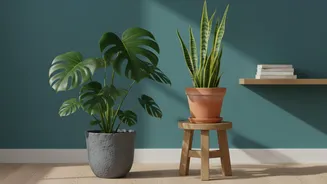
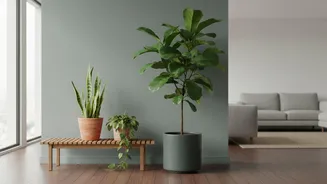
North-facing windows provide the least amount of light, offering a soft, indirect glow throughout the day without any direct sunbeams. This can be a challenging spot for many plants, but it is perfect for species that naturally grow in the understory of forests. Think of it as the ideal location for greenery that appreciates consistent, gentle conditions. Plants that thrive here are often called 'low-light' tolerant, but it's more accurate to say they prefer to avoid direct sun. Great choices include the nearly indestructible Snake Plant (Sansevieria), the ZZ Plant with its glossy leaves, and the forgiving Pothos. Peace Lilies are also a wonderful option and may even reward you with their unique white blooms in this location.
East-Facing Windows: The Gentle Start
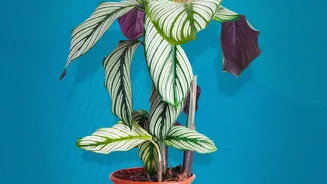
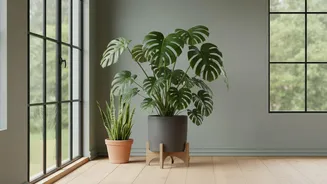
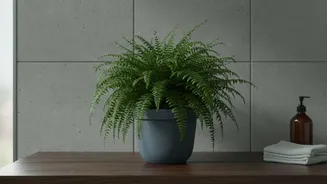
An east-facing window is often considered the 'sweet spot' for a wide variety of houseplants. It receives bright but gentle direct sun in the morning, when the rays are not yet strong enough to scorch delicate leaves. For the rest of the day, it provides bright, indirect light. This balanced environment is ideal for many popular tropical plants that need good light but can't handle intense heat. This is the perfect home for beautiful foliage plants like Calatheas, many Ferns, and the ever-popular Monstera Deliciosa. African Violets and some Begonias also do exceptionally well here, enjoying the morning brightness to fuel their growth and flowering.
South-Facing Windows: Sun-Drenched and Bright
A south-facing window is the sunniest and brightest spot in your home, receiving direct sunlight for most of the day. This is the place for true sun-worshippers that can handle high light and heat. Desert natives are particularly happy here. Think of succulents like Jade Plants, Aloe Vera, and various cacti, which will thrive in these conditions. It's also a great spot for flowering plants that need a lot of energy to produce blooms, such as Hibiscus or Jasmine. The bold, colourful Croton also shows its best hues in this bright light. Just be aware that this intense light can be too much for many plants, and you may need to water more frequently.
West-Facing Windows: Hot Afternoon Sun
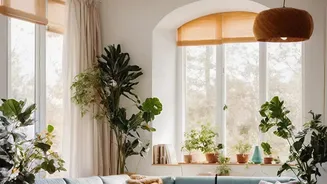
West-facing windows provide soft, indirect light in the morning but are hit with strong, direct sun in the afternoon and evening. This afternoon light can be very intense and hot, especially in the summer. This makes it a good spot for sun-loving plants that can also tolerate heat. Many plants that suit south-facing windows, like cacti and succulents, will also do well here. Hardy options like Bird of Paradise, certain flowering geraniums, and even some types of Ficus can appreciate the strong light. For plants that prefer bright but not direct sun, you can place them a few feet away from the window or use a sheer curtain to diffuse the harshest rays.