



A Legacy of Responsible Tourism
Long before 'sustainable travel' became a buzzword, Kerala was quietly building a revolutionary framework. Launched in 2007, its Responsible Tourism (RT) Mission was groundbreaking. The goal was simple but profound: to make tourism work for local people.
Instead of benefits flowing only to large hotel chains, the RT Mission focused on connecting the tourism industry with village communities. This meant encouraging hotels to source produce from local farmers, promoting homestays, and creating platforms for artisans to sell their crafts directly to visitors. The model was designed to reduce economic leakage and ensure that the money spent by tourists stayed within the local economy, supporting families and preserving traditional livelihoods. This community-centric approach has been recognized globally, proving that tourism can be a force for inclusive growth rather than disruption.
New Pressures on Paradise
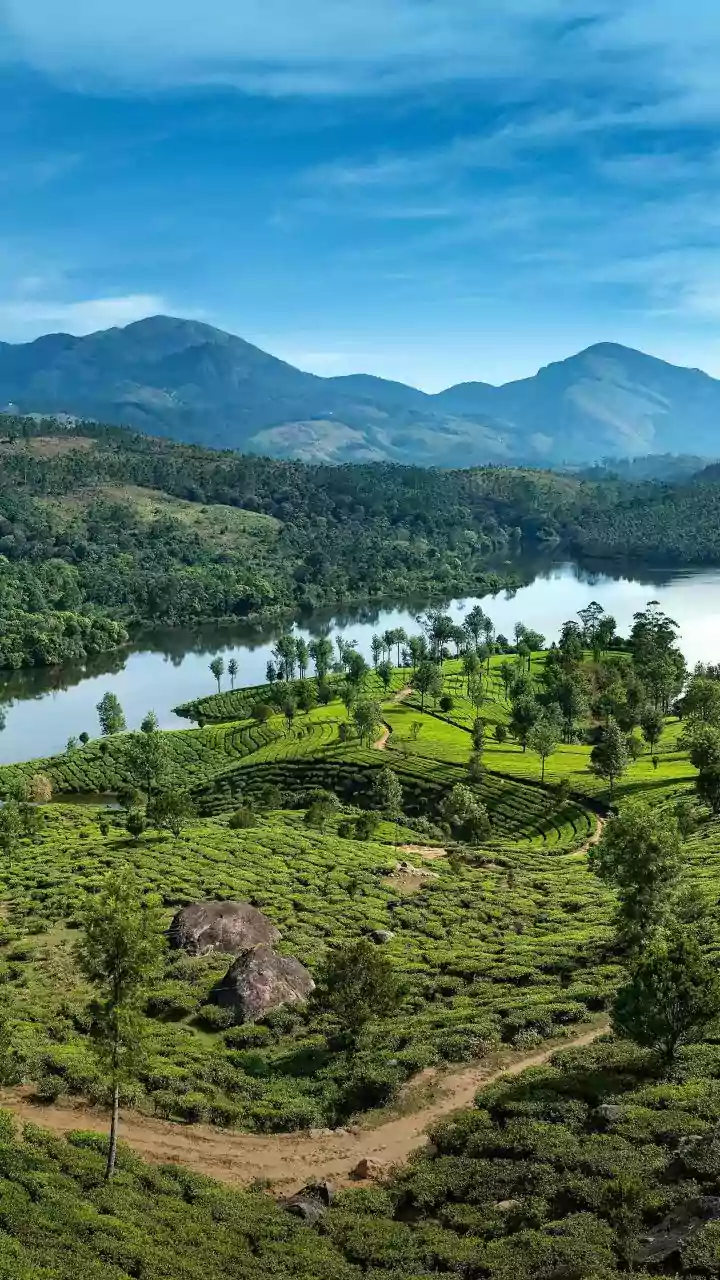
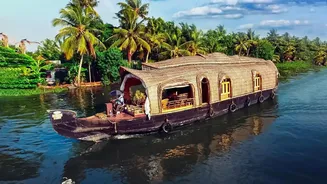
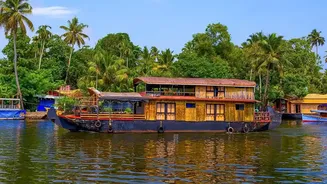
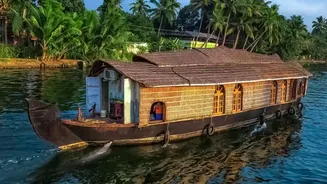
Despite its success, Kerala's tourism model is at a critical juncture. The pressures of the modern world demand a new approach. Overtourism in popular spots like Munnar and Alleppey has led to congestion and environmental strain during peak seasons. Furthermore, the existential threat of climate change looms large, with increased flooding and extreme weather events posing a direct risk to the state's natural attractions and infrastructure. There are also internal challenges, including waste management, poor road conditions in some rural areas, and the need to ensure that cultural experiences remain authentic and are not overly commercialized. These issues have prompted a strategic shift, moving from just sustaining what exists to actively regenerating and building resilience for the future.
The Next Phase: Hyper-Local and Resilient
The future of Kerala's sustainable tourism is about going deeper and becoming more resilient. A key part of this new phase is the development of micro-destinations and hyper-local experiences. Projects like the 'STREET' (Sustainable, Tangible, Responsible, Experiential, Ethnic Tourism) initiative in places like Maravanthuruthu aim to spread tourism's benefits beyond the main hubs. The focus is on empowering local self-governments and communities to take ownership of their tourism assets. A significant development is the formalization of the RT Mission into a government-owned society, which will enhance its ability to provide training, marketing, and support for local tourism enterprises, directly benefiting around 1,50,000 families. This structural change aims to create a more robust and widespread network of community-led tourism ventures across the state.
Climate-Proofing and Greener Practices
Recognizing its vulnerability, Kerala is integrating climate action directly into its tourism policy. The updated 2023 Responsible Tourism Declaration places a strong emphasis on reducing greenhouse gas emissions and helping communities adapt to climate change. This includes prioritizing the restoration of old buildings over new construction, promoting the use of eco-friendly local materials, and working towards creating carbon-neutral destinations. A new 'Green Marshals' initiative, set to launch in October 2026, will deploy trained personnel at tourist sites to assist visitors, monitor safety, and oversee waste management and environmental protection. This adds a crucial layer of on-the-ground support to ensure destinations are clean, safe, and well-maintained.
Integrating Technology and Inclusivity
The next chapter also embraces technology to connect tradition with the modern traveler. The RT Mission is leveraging online platforms to market everything from homestays and agri-tourism networks to cultural performances and local handicrafts, giving small-scale providers greater visibility. Simultaneously, there's a renewed focus on inclusivity. Kerala has collaborated with UN Women to pioneer gender-inclusive tourism, conducting safety audits at dozens of destinations to make them safer for women and travelers from the LGBTQ+ community. This holistic approach ensures that as tourism evolves, it becomes more accessible, equitable, and emotionally engaging for everyone involved.