



The Global Economy's Twin Arteries
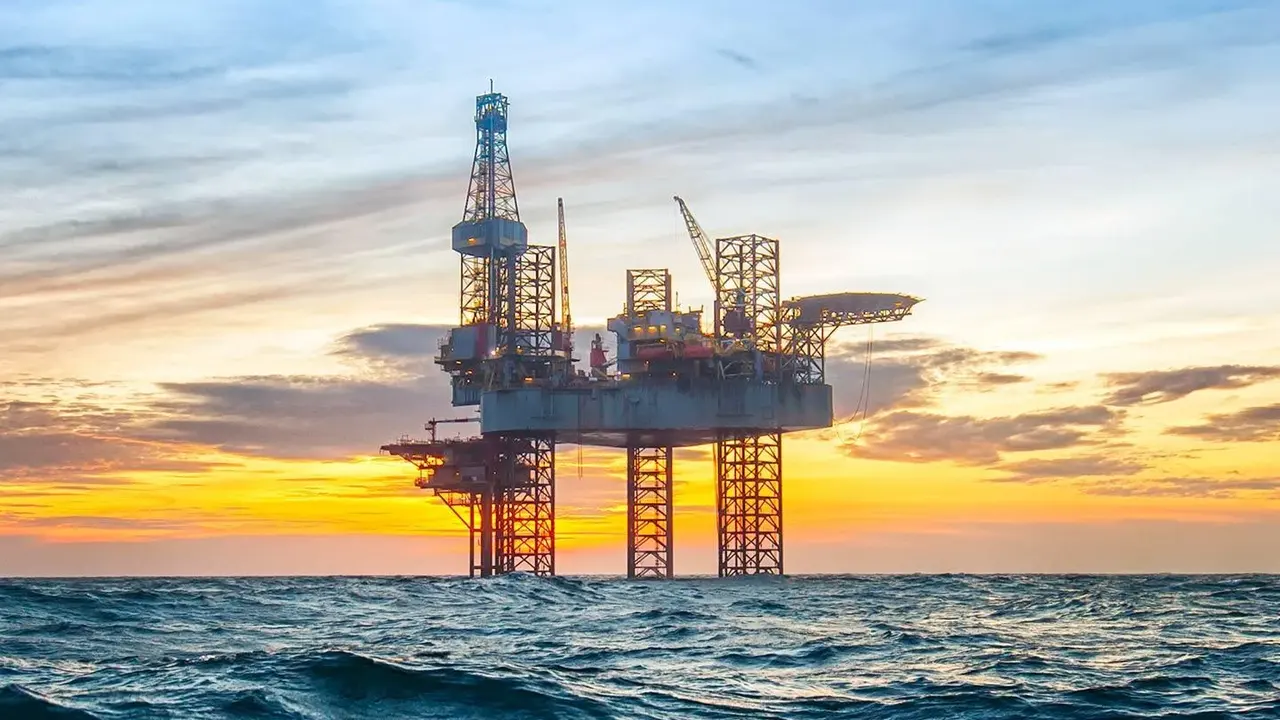
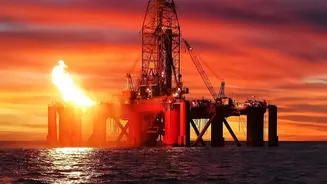
The Strait of Hormuz and the Bab el-Mandeb are not just lines on a map; they are the world's most critical maritime chokepoints. The Strait of Hormuz, connecting the Persian Gulf to the open ocean, is the main artery for about 20-25% of global oil supplies.
The Bab el-Mandeb, or the "Gate of Tears," guards the southern entrance to the Red Sea, a vital corridor for ships using the Suez Canal to travel between Asia and Europe. Together, they are indispensable for global trade. For India, their importance is magnified. A massive share of the nation's vital energy imports, including crude oil and LNG, along with roughly a third of its total trade, passes through these waterways. Any disruption here doesn't just slow down ships; it threatens to send shockwaves through the entire Indian economy.
The CareEdge 'Double Whammy' Scenario
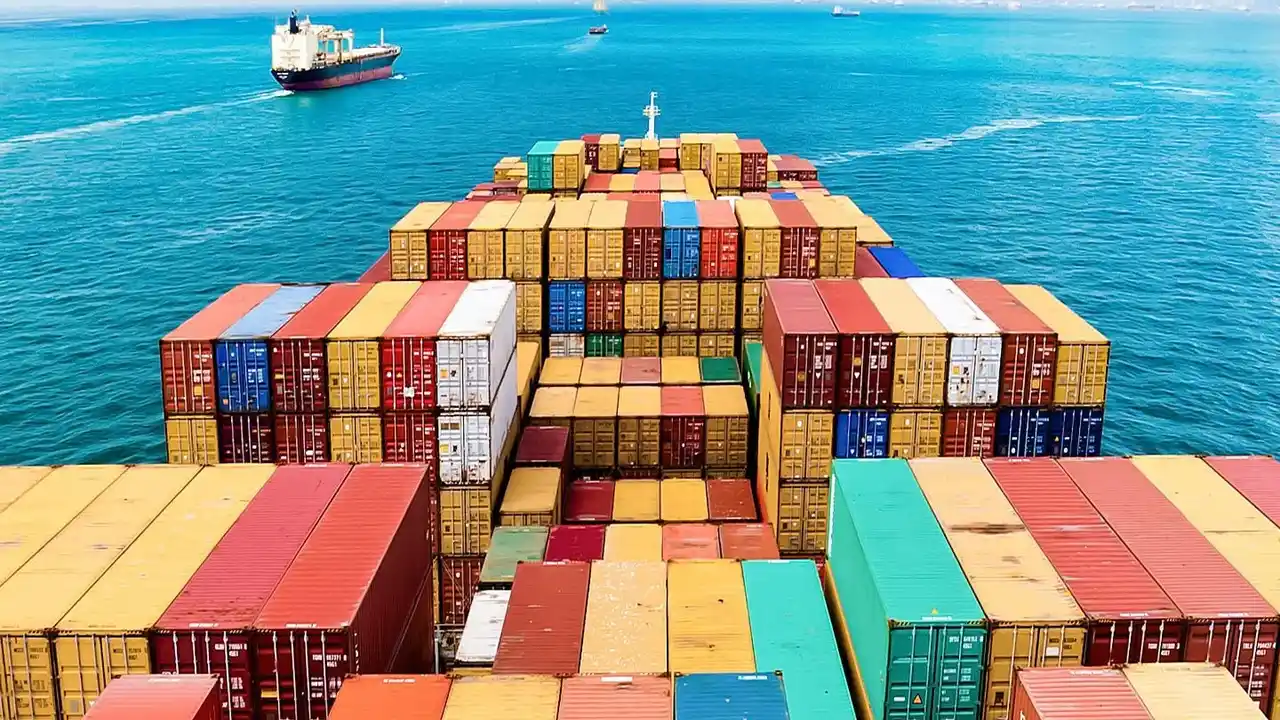
The report from CareEdge Ratings paints a sobering picture of a “double whammy”: simultaneous disruptions at both straits. This is not a far-fetched fantasy. Geopolitical tensions involving Iran frequently threaten the Strait of Hormuz, while Houthi rebels in Yemen have demonstrated their ability to disrupt shipping in the Bab el-Mandeb. A simultaneous closure, even for a few weeks, could trigger a cascade of economic consequences. The scenario envisions a sharp surge in global energy prices, with Brent crude potentially rising to the $130–$135 per barrel range. This would be accompanied by a spike in freight costs and soaring insurance premiums, as war-risk coverage costs have been seen to increase by up to 1,000% during periods of high tension. Shipping vessels would be forced to take longer, more expensive routes, such as circumnavigating Africa, adding 10-20 days to transit times.
India's Economic Exposure
For India, a major energy importer, the primary impact would be a severe energy shock. A sustained rise in crude oil prices would not only increase the country's import bill but also put immense pressure on its foreign exchange reserves and widen the current account deficit. This directly translates to higher prices at the petrol pump for consumers and increased operational costs for industries like aviation. But the impact goes far beyond fuel. India's imports of essential goods like LPG and fertilisers are also heavily dependent on these routes. A disruption could lead to shortages and higher prices, affecting everything from cooking gas for households to the cost of food production for farmers.
Ripple Effects Across Sectors
The disruption scenario would create a domino effect across numerous Indian industries. Exporters of goods like textiles, engineering products, basmati rice, and auto components would face higher logistics costs and longer delivery timelines, making their products less competitive in European and other international markets. Domestically, industries that rely on imported raw materials, such as petrochemicals and plastic-based packaging, would see their margins squeezed. Indian companies would likely face significant pressure on their profitability due to the combined effect of more expensive raw materials, elevated logistics and insurance expenses, and increased working capital requirements needed to fund longer shipping journeys. This could ultimately lead to higher inflation for consumers and a slowdown in industrial output.
Mitigating an Unstable Future
While the scenario is alarming, it also serves as a critical reminder of the need for strategic resilience. In the past, India has managed supply shocks by diversifying its energy sources, for instance by increasing crude imports from Russia. However, the logistical challenge of a dual chokepoint closure is a different kind of threat. Potential mitigation strategies involve rerouting ships around the Cape of Good Hope, but this is a costly and time-consuming alternative that doesn't solve the problem of price shocks. In the long term, the situation underscores the importance for India to continue building its strategic petroleum reserves and exploring ways to reduce its heavy dependence on imported hydrocarbons. The CareEdge report highlights that while supply chains can be rerouted, the economic costs in terms of price and time are unavoidable.