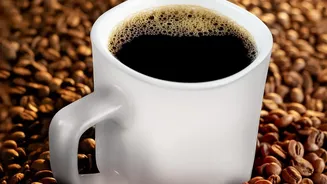







The Rise of the Coffee Purist
The fierce opinions are largely a product of the “third wave” coffee movement, which began gaining momentum in the early 2000s. This movement reframed coffee not as a simple commodity, but as an artisanal product, much like fine wine. The focus shifted
to the bean's origin, the farm's specific processing methods, and lighter roast profiles designed to highlight, not hide, the coffee's natural flavours. For proponents of this philosophy, a high-quality, single-origin coffee might have notes of blueberry, citrus, or jasmine. Adding milk or sugar is seen as masking these delicate and intentionally cultivated characteristics. It’s viewed by some as the equivalent of adding ice to a vintage red wine; you’re not just changing the taste, you’re erasing the craftsmanship and the story of where the bean came from.
A Brief History of Sweetening the Deal
Historically, however, adding things to coffee was essential for making it palatable. When coffee first arrived in Europe in the 16th and 17th centuries, the beans were often low-quality and roasted very dark, resulting in a bitter, intense flavour. To make it more enjoyable, Europeans, who were accustomed to milder beverages, began adding sweeteners. In Vienna in the 1680s, one of the first café owners famously filtered the coffee and added milk and honey to please local tastes. In fact, for centuries, sugar and coffee were linked as luxury goods for the wealthy. As both became more accessible, they provided an affordable source of energy and calories for the working class. Even the rise of instant coffee in the 20th century, often made with cheaper, more bitter robusta beans, further cemented the habit of adding milk and sugar to soften the harshness.
The Science of Taste Alteration
There's a scientific reason why adding milk and sugar works so well. Milk's effectiveness comes down to its three main components: fat, protein, and sugar (lactose). The fats add a richer, velvety texture to the coffee, changing its mouthfeel from watery to smooth. Meanwhile, milk proteins bind with polyphenolic compounds like tannins, which are responsible for bitterness and astringency. This binding action softens the coffee's harsh edges. Sugar, quite simply, suppresses bitterness and can even help highlight other flavours by balancing the overall profile. So, when someone adds milk and sugar, they are performing a sort of chemical adjustment, toning down bitterness and acidity while enhancing texture. It is a fundamental alteration of the drink's profile, not just a simple sweetening.
More Than a Drink, It's an Identity
Ultimately, the debate is less about taste and more about what our choices signal. Ordering a black, single-origin coffee can be a way of identifying as a connoisseur—someone who is knowledgeable, discerning, and appreciates purity. Some studies have even linked a preference for black coffee with traits like patience and minimalism. On the other hand, choosing a milky, sweetened coffee might signal a preference for comfort, sociability, and approachability. These drinks often blur the line between a caffeine delivery system and an indulgent treat. It’s not just about what you drink, but who you are when you drink it. For many, coffee is an emotional anchor and a daily ritual, making the personal choices surrounding it feel significant.