





One of the World's Highest Airports
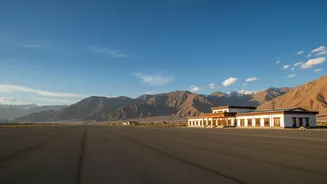
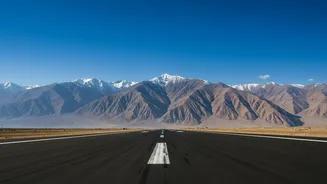
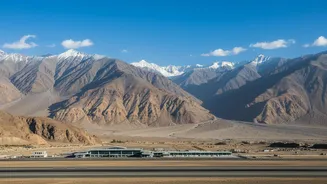
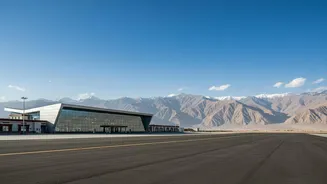
Leh's airport, officially named Kushok Bakula Rimpochee Airport (IXL), sits at a staggering altitude of 3,256 metres (10,682 feet). This makes it the highest commercial airport in India and the 22nd highest globally. The approach is renowned for being
one of the most scenic in the world, with breathtaking views of the Himalayan peaks, but this extreme altitude also dictates many of the airport's unique operational procedures. Named after a revered Indian monk and statesman, the airport is a critical link for the Ladakh region, which becomes largely isolated by road during the harsh winters.
The Altitude Challenge: For Planes and People
At such high elevations, the air is significantly thinner. This lower air density affects everything from engine performance to lift, making take-offs and landings more challenging for aircraft. Pilots require special training to navigate the narrow mountain valleys and unidirectional approach to the runway. For travellers, the sudden jump in altitude can cause Acute Mountain Sickness (AMS), with symptoms like headaches, dizziness, and nausea. The airport is equipped with medical facilities, including doctor-on-call services and portable oxygen counters, to assist passengers who feel unwell upon arrival.
Why Flights Only Operate in the Morning
If you're flying to or from Leh, you'll notice that almost all flights are scheduled for the early morning. This isn't a coincidence. As the day progresses, the sun heats the surrounding mountains, creating strong, turbulent winds in the valley. These winds, combined with the already thin air that gets even less dense as temperatures rise, make afternoon operations risky. To ensure safety, most airlines, following DGCA regulations, schedule their landings and take-offs before noon, when the air is colder, denser, and the winds are calmer.
Unique Security and Baggage Rules
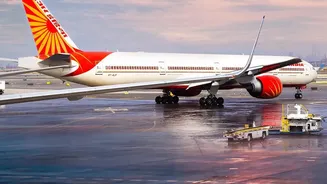
Leh Airport serves a dual purpose as a civilian airport and a strategic military airbase, leading to heightened security measures. Travellers should be prepared for more rigorous checks. One of the most important rules to know is regarding hand baggage. For many departing flights, cabin baggage is severely restricted or not allowed at all, with exceptions often made only for small ladies' purses, laptops, and camera bags. It's crucial to check with your airline for the latest rules before packing. Furthermore, you will be required to identify your checked-in luggage on the tarmac after screening and before it is loaded onto the aircraft.
Acclimatisation Is Not Optional
The most critical piece of advice for anyone flying into Leh is to respect the altitude. Because you arrive at over 10,000 feet in just a couple of hours by flight, your body has no time to adjust gradually. Medical experts strongly recommend complete rest for the first 24 to 48 hours after landing. This means no immediate sightseeing, strenuous walking, or climbing. Plan to do nothing on your first day. Hydration is key, so drink plenty of water and avoid alcohol. Listening to your body during this initial period is essential for a safe and enjoyable trip in the stunning landscapes of Ladakh.