







Decoding 'Strategic Autonomy'
At its heart, strategic autonomy is the modern evolution of India's historical policy of non-alignment. Where non-alignment meant keeping a distance from Cold War power blocs, strategic autonomy is about actively engaging with all global players without
becoming locked into any single alliance. In practice, this means making foreign policy and economic decisions based purely on national interest, maintaining the flexibility to partner with different countries on different issues. For instance, India can participate in the Quad (with the US, Japan, and Australia) for security dialogue while also being a key member of BRICS and the Shanghai Cooperation Organisation (SCO) with Russia and China. This doctrine allows India to pursue diverse relationships, such as purchasing Russian oil to ensure energy security while simultaneously deepening technology and trade ties with the US and Europe.
A New Era of Trade Deals
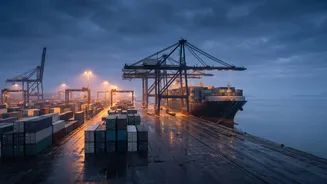
This philosophy of strategic autonomy has directly shaped India's recent flurry of trade negotiations. After a decade of caution, India has aggressively pursued bilateral Free Trade Agreements (FTAs) since 2021. This marks a deliberate pivot away from large, multilateral pacts like the Regional Comprehensive Economic Partnership (RCEP), which India exited in 2019 over concerns about a potential flood of Chinese goods. Instead, India is focusing on deals with single countries or smaller blocs where it can negotiate more favourable terms. The period has seen a landmark deal concluded with the European Union in January 2026, alongside agreements with the UAE, Australia, the UK, and the European Free Trade Association (EFTA). These agreements are tailored to India's strengths, pushing for market access in services, IT, and pharmaceuticals, and ensuring easier mobility for Indian professionals.
The Global Supply Chain Puzzle
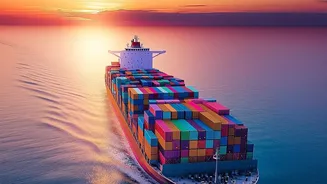
India's trade strategy is unfolding as global companies urgently rethink their supply chains. The 'China Plus One' strategy, where businesses seek to diversify their manufacturing bases to reduce over-reliance on China, has become a boardroom imperative. Geopolitical tensions, trade tariffs, and pandemic-era disruptions have highlighted the risks of having all eggs in one basket. India is emerging as a primary beneficiary of this global shift. Its large domestic market, skilled and low-cost labour force, and growing manufacturing capabilities make it an attractive alternative. Global giants are increasingly looking to India for sectors like electronics, pharmaceuticals, and textiles. The government's Production Linked Incentive (PLI) schemes are designed to further bolster this trend, strengthening India's case as a reliable and scalable manufacturing hub.
The Balancing Act: Risks and Rewards
However, this path is a delicate balancing act. The pursuit of strategic autonomy means navigating complex trade-offs. For example, maintaining energy ties with Russia has, at times, led to friction with the United States, resulting in punitive tariffs that impact Indian industry. Furthermore, while bilateral FTAs offer tailored benefits, they may not generate the same economies of scale as larger trading blocs like RCEP. Experts note that while India's exports often increase after trade agreements, imports can rise even faster, potentially widening the trade deficit with some partners. The challenge for India is to leverage its newfound negotiating power and attractiveness as a supply chain partner to secure deals that drive long-term industrial growth and create jobs, without exposing vulnerable domestic sectors to overwhelming competition. This involves insisting on strict rules of origin and protecting sensitive areas like agriculture.