




A Glimpse into Our Sun's Future
Far across the cosmic plains, about 3,000 to 6,500 light-years away, lies a celestial marvel known as the Lion Nebula, or NGC 2392. This spectacular cloud of gas and dust is not a birthplace of stars, but rather the beautiful, glowing remnants of a star that
has died. It offers astronomers a fascinating preview of the eventual fate of stars like our own sun. Unlike massive stars that end their lives in violent supernova explosions, sun-like stars go out with a more gradual, elegant farewell. As they exhaust their fuel, they shed their outer layers, creating an intricate structure that is then illuminated by the hot, leftover core.
What is a Planetary Nebula?
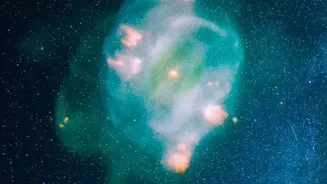
Despite the name, a planetary nebula has nothing to do with planets. The term is a historical holdover from when early astronomers, peering through less powerful telescopes, thought these round, glowing objects resembled gas giant planets. In reality, they are the final, fleeting stage in the life cycle of a low-to-medium-mass star. After the star has puffed away its outer layers of gas and dust, its super-hot core, known as a white dwarf, remains. This stellar remnant unleashes intense radiation that ionizes the surrounding gas, causing it to glow brightly in the complex shapes we can observe.
Webb’s Unprecedented Infrared View
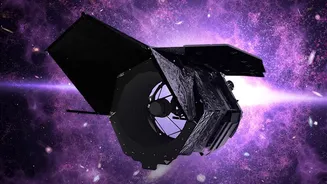
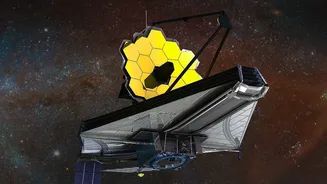
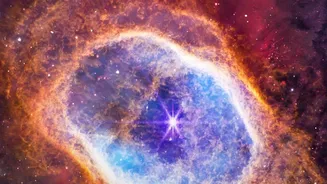
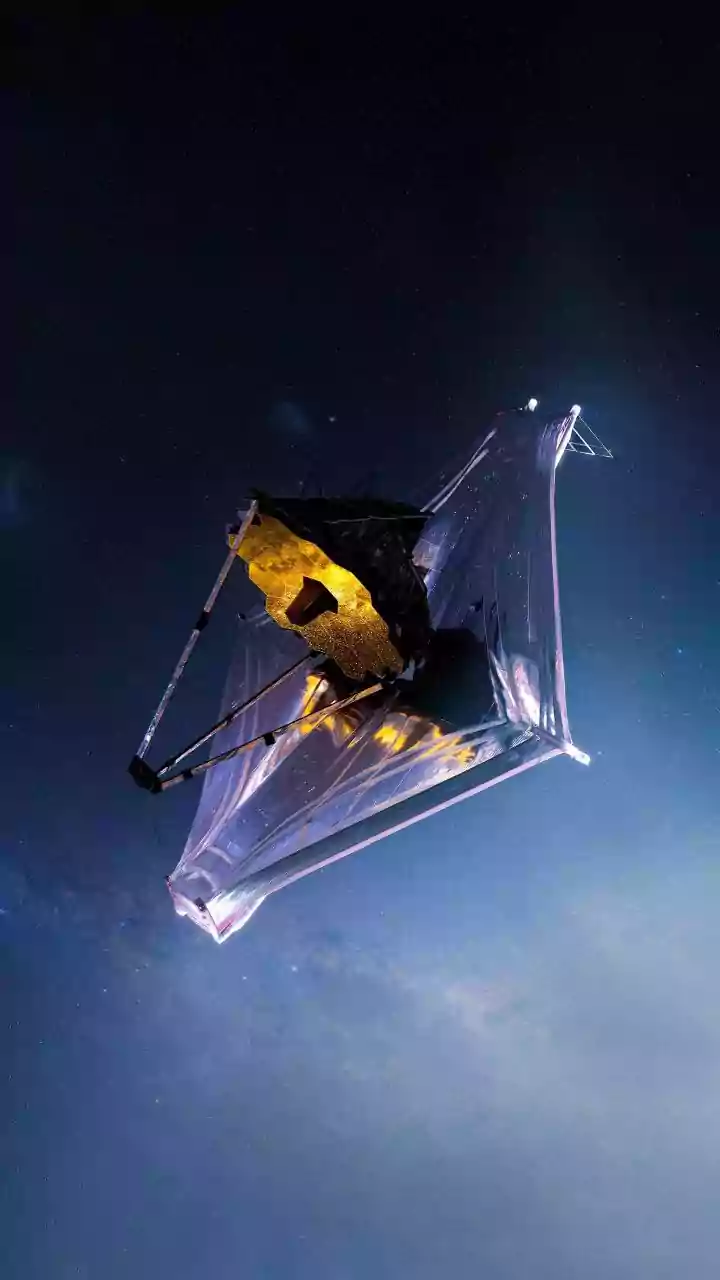
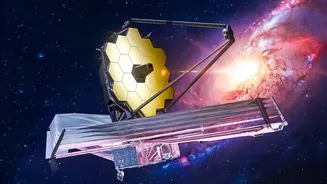
While the Hubble Space Telescope gave us remarkable views of the Lion Nebula in visible light, the James Webb Space Telescope's infrared instruments, NIRCam and MIRI, have peeled back new layers of mystery. Infrared light can penetrate the hazy clouds of gas that obscure finer details, giving scientists a much clearer picture of the underlying dust structures. At first glance, the overall shape is familiar, but Webb’s high-resolution imaging reveals a complex interplay of materials. We can now see compact clumps of dust that have somehow survived the intense radiation from the central star, along with a delicate haze of ionized gas.
Deconstructing the Lion’s Roar
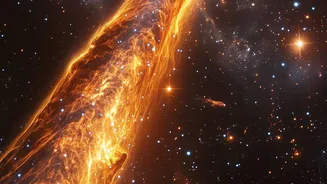
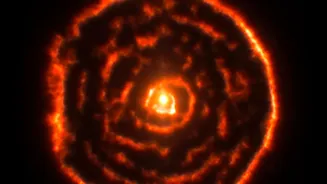
The new portrait beautifully resolves the nebula's two main components. The inner region, forming the lion's 'face', is a bubble of gas being hollowed out by the fierce stellar winds and radiation from the central white dwarf. The outer region, a magnificent 'mane', is an illuminated shell of dust. Within this mane, Webb's image clearly shows dense clumps of material with comet-like tails pointing away from the star. These dense knots are hardy survivors, shielding the material behind them from being completely eroded by the central star's energetic output. It is this intense activity, powered by the dying star, that sculpts and shapes the entire nebula.
A Cosmic Snapshot in Time
This breathtaking celestial structure is a temporary spectacle. The gas and dust that form the Lion Nebula have been expanding outwards for several thousand years and will continue to do so. Astronomers estimate that in about 10,000 years, the material will have drifted so far apart that the nebula will completely disperse and fade into the interstellar medium. In astronomical terms, this is a remarkably short period. Webb's image, therefore, acts like a snapshot, freezing a single moment in the ongoing, dynamic process of a star's death and its lasting impact on the space around it.