






A Splash of Colour in Geneva
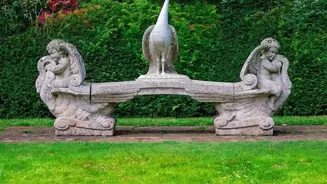
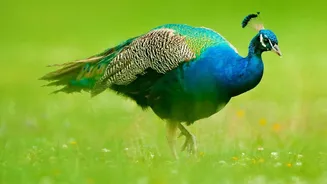
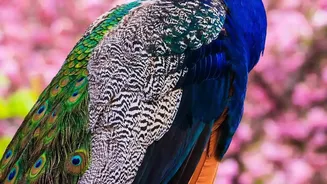
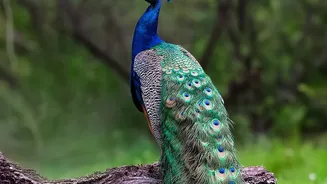
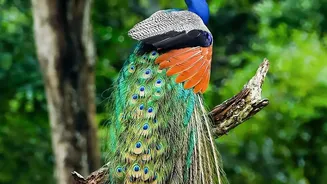
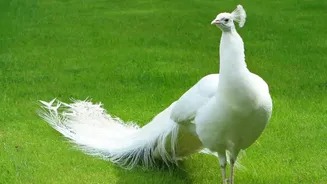
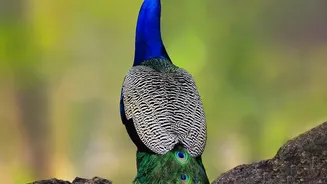
In a special ceremony, India has gifted five peacocks to the United Nations Office at Geneva (UNOG), reviving a decades-old tradition. The flock includes four classic blue Indian peafowl and one rare white-feathered male. This specific combination was
a thoughtful touch, with the blue and white feathers echoing the official colours of the United Nations itself. The birds were formally presented by India's Permanent Representative, Arindam Bagchi, to the UNOG Director-General, Tatiana Valovaya. This gesture marks the continuation of a unique form of cultural diplomacy, adding a splash of Indian heritage to the grounds of the historic Ariana Park where the UN's European headquarters is located.
More Than Just a National Bird
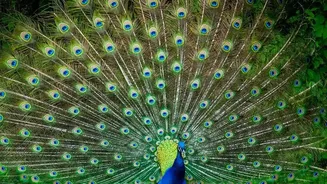
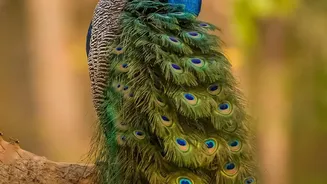
The choice of the Indian Peacock, or Pavo cristatus, is deeply intentional. As the national bird of India, it is a potent symbol of grace, beauty, and resilience. Its image is woven deeply into the fabric of Indian culture, appearing in mythology, art, architecture, and literature for centuries. By presenting its national bird on an international stage, India is not just sharing a piece of its biodiversity; it is sharing a piece of its soul. The gesture is a statement of the country's commitment to environmental stewardship and the conservation of its natural heritage. It acts as a living, breathing emblem of India's cultural identity, universally appreciated for its stunning beauty.
Reviving a Historic Tradition
This gift is not without precedent; it revives a tradition started in 1981 when then Prime Minister Indira Gandhi sent a breeding pair of peacocks from the Delhi Zoo to the same location. For decades, those birds and their descendants roamed the lawns of the Palais des Nations. Over time, however, the population dwindled. This new flock gives the tradition a fresh start. The history of peacocks in Ariana Park predates even the United Nations, going back to the 19th-century landowner Gustave Revilliod, who bequeathed the estate to the city with the condition that peacocks should always roam freely there. India's gifts, both past and present, help honour this unique local heritage while adding a distinctly Indian chapter to the story.
The Quiet Power of a Feather
This act is a prime example of 'soft power'—the ability to influence and attract through culture rather than coercion. While 'animal diplomacy' is not new for India, which has famously gifted elephants in the past, this gesture is particularly poignant. The timing is also significant. As global diplomats gather in Geneva to debate complex issues like artificial intelligence and international governance, the arrival of the peacocks serves as a gentle reminder that diplomacy is also about human connection and cultural goodwill. It is a move that doesn't seek to win a vote or advance a treaty, but to create an atmosphere where dialogue becomes easier. By using a universally understood symbol of beauty, India is communicating friendship and continuity on the world stage, proving that sometimes the most effective diplomacy is the one that is understated, sincere, and beautiful.