








Decoding the 4.38% Figure
When you hear 'retail inflation,' think of the price changes for a typical basket of goods and services a family buys. This is officially measured by the Consumer Price Index (CPI), which rose to 4.38% in June from 3.93% in May. This means that, on average,
the things consumers buy cost 4.38% more than they did in June last year. For the first time in 17 months, this number has crossed the Reserve Bank of India's (RBI) medium-term target of 4%, signaling a build-up of price pressures across the economy. While still within the RBI's tolerance band of 2-6%, the steady increase this year is a cause for close monitoring.
The Fuel and Transport Squeeze
The most significant push came from the transport sector. Fuel price hikes announced in May had their full impact felt in June, causing transport inflation to jump sharply to 4.31%. As the world's third-largest oil importer, India is vulnerable to global energy prices, which have been affected by geopolitical tensions. This doesn't just mean higher costs for filling up your car or scooter; it also leads to a domino effect. When diesel costs more, it becomes more expensive to transport everything from vegetables to factory goods, and businesses often pass these higher costs on to consumers. Inflation for transporting goods stood at an elevated 7.7%.
It's Not Just About Fuel
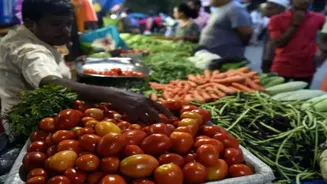
While fuel was a major factor, the kitchen budget is also under strain. Food inflation accelerated to 5.32% in June. This was driven by higher prices for specific items like ginger, which saw a staggering 50.4% price surge, and tomatoes. An uneven monsoon has raised concerns about future crop production, which could keep food prices firm in the coming months. Beyond food, services like eating at restaurants have also become more expensive, with inflation in this category climbing to 6.9% as eateries pass on the higher cost of commercial gas and other inputs.
The View from Rural India
The inflation pinch is not felt equally across the country. In June, rural India experienced higher inflation at 4.74% compared to 3.92% in urban centers. This is significant because rural households often have different spending patterns and are more directly impacted by changes in food prices. The higher food inflation in rural areas, recorded at 5.45%, highlights the challenges faced by a large segment of the population that is dependent on agriculture and sensitive to climate-related price shocks.
What This Means for You (and the RBI)
For the average household, this trend means reduced purchasing power. Your monthly budget for groceries, commuting, and other essentials is likely stretched, leaving less room for savings or discretionary spending. The increase in inflation also puts the Reserve Bank of India in a tricky position. The central bank's mandate is to control inflation while supporting economic growth. While the RBI kept its key interest rate unchanged in its last meeting, continued high inflation could force it to consider rate hikes later in the year to cool down prices, which would make loans more expensive. Economists will be watching the next set of data closely, particularly the monsoon's progress and global oil price trends.