
First, What Is TasteAtlas?
Before diving into the rankings, it’s important to understand the source. TasteAtlas is not a panel of elite chefs or a Michelin-style guide focused on fine dining. Founded in Croatia, it describes itself as a “world atlas of traditional dishes, local
ingredients, and authentic restaurants.” Its goal is to catalogue and celebrate the food real people eat, from street-side stalls to legendary local eateries. The rankings are generated from the votes of hundreds of thousands of users worldwide who rate individual dishes throughout the year. The platform uses mechanisms to filter out biased or nationalistic voting to keep the results as authentic as possible.
The Story Told by Numbers
In the most recent awards, Indian cuisine secured the 13th position with an impressive score of 4.43 out of 5. This placed India ahead of major culinary destinations like Vietnam and South Korea. However, this is a slight dip from previous years, where India had ranked 11th in 2023 and 12th in the 2024/25 edition. This fluctuation is common in a system based on aggregate user ratings. The top spots were claimed by cuisines like Italian, Greek, and Peruvian, which consistently perform well in these public-voted rankings. While a spot in the top 15 is a significant achievement, the small slide has left many wondering about the reasons.
Our Undisputed Culinary Champions
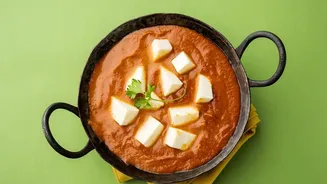
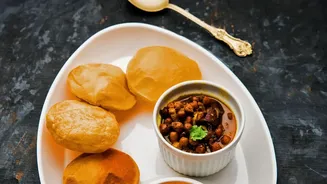
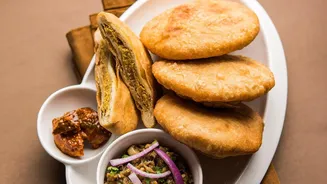
A key reason for India's strong showing is the stellar performance of some of its most beloved dishes. Indian breads, in particular, were global chart-toppers. In the most recent rankings for best breads in the world, Butter Garlic Naan took the #1 spot, with Amritsari Kulcha right behind at #2. This wasn't just a win; it was total domination. Beyond breads, classics like Murgh Makhani (Butter Chicken), Hyderabadi Biryani, and even the spice mix Garam Masala received high ratings, contributing significantly to the country's overall score. Furthermore, Indian cities have also been celebrated, with Mumbai often landing in the top 5 on the list of the world's 'Best Food Cities', praised for its vibrant and diverse food scene.
So, Why Not Higher on the List?
The answer lies in the ranking methodology. A country's final score is the average rating of its most popular catalogued dishes. This is where India's greatest strength—its immense diversity—becomes a statistical weakness. A tourist who loves the coconut-based curries of Kerala might give a low rating to the mustard-oil-heavy dishes of Bengal, or find Rajasthani flavours unfamiliar. One source noted this can create “polarizing experiences” that pull down the average score. In contrast, a cuisine like Italian, which has a more globally standardized and familiar set of popular dishes like pizza and pasta, is less likely to receive such varied ratings.
The Challenge of Representing a Subcontinent
Ultimately, TasteAtlas aims to rank cuisines, but what we call 'Indian cuisine' is actually a subcontinent of dozens of distinct culinary traditions. While dishes like Butter Chicken are globally famous, countless regional specialities are not. The votes are naturally skewed towards what international users know best. This system can also lead to controversial results. For instance, TasteAtlas once published a list of 'worst-rated' Indian foods that included beloved staples like Aloo Baingan and Upma, sparking outrage online. When a few dishes receive very low scores—however beloved they may be at home—it can mathematically impact the nation’s overall average in a way that doesn't fully reflect the cuisine's true value.