



A Major Safety Net for a Microscopic Price
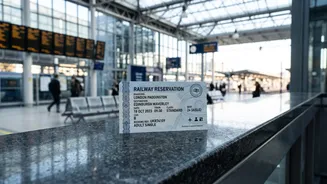
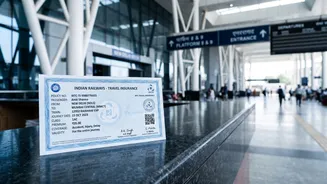
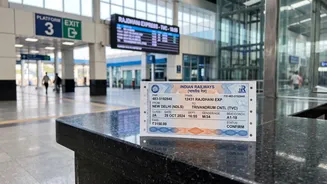
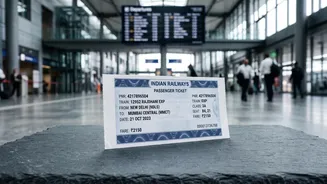
Indian Railways has extended its Optional Travel Insurance Scheme to passengers who purchase reserved tickets from physical Passenger Reservation System (PRS) counters. This move, effective from October 27, 2026, bridges a crucial gap, offering the same
financial protection to offline customers that was previously exclusive to those booking on the IRCTC website or app. For a premium of just 45 paise per person, passengers can get coverage of up to ₹10 lakh. The decision was prompted by a Supreme Court directive aiming to make travel safer and more secure for the millions of people who rely on counter bookings for their journeys. The Centre for Railway Information Systems (CRIS) and IRCTC are providing the backend technical support to ensure a smooth rollout of this facility across the country.
What Your 45 Paise Actually Covers
The benefits packed into this micro-premium are substantial and designed to provide relief in the event of a train accident or other 'untoward incidents' during the journey. The policy provides financial compensation up to ₹10 lakh for death or permanent total disability. In the case of permanent partial disability, the coverage is up to ₹7.5 lakh. Additionally, the scheme includes up to ₹2 lakh for hospitalization expenses for injuries sustained in an incident. The policy also provides ₹10,000 for the transportation of mortal remains. This structure ensures that in the unfortunate event of an accident, passengers and their families have a financial cushion to cope with the immediate aftermath.
Who is Eligible and How to Opt-In
This optional insurance is available to all Indian citizens booking a reserved ticket. It covers passengers with Confirmed (CNF), Reservation Against Cancellation (RAC), and even partially confirmed tickets. This means if a PNR has a mix of confirmed and waitlisted passengers, all can be insured. However, the scheme does not apply to unreserved or general tickets. Children below five years of age are not covered. To opt-in at the counter, passengers simply need to indicate their choice on the reservation form and provide a valid mobile number. One crucial detail is the payment method. Since fractional coins like 50 paise are no longer legal tender, the 45-paise premium cannot be paid in cash. Therefore, any passenger who chooses the insurance must pay the entire ticket fare digitally.
The Importance of Nominee Details
While opting in is simple, a critical next step is to fill in the nominee details. After the ticket is booked, the insurance company will send an SMS and email containing a link to the policy information and a portal for updating nominee information. This step is vital. If nominee details are not filled out, any potential claim settlement will be made to the legal heir, which can involve a much longer process and require a succession certificate. Taking a few minutes to complete this step ensures that in the event of a claim, the process is as smooth as possible for the intended beneficiary. The policy number and details can also be viewed in the 'Ticket Booked History' section on the IRCTC website.
How to Make a Claim
In the unfortunate event that a claim needs to be filed, the insured passenger, their nominee, or a legal heir must contact the insurance company directly. It is important to note that IRCTC and Indian Railways are facilitators, but the policy is a contract between the passenger and the insurance provider (such as Liberty General, Royal Sundaram, or United India Insurance). A claim must be filed within four months of the incident. The process typically requires submitting a duly filled claim form, the railway authority's report confirming the accident, an FIR copy, medical or death certificates, and identity proof of the claimant. For disability claims, a certificate from a Civil Surgeon detailing the extent of disability is also needed. Once all documents are submitted, the claim is generally processed within 15 days.