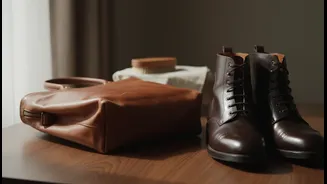




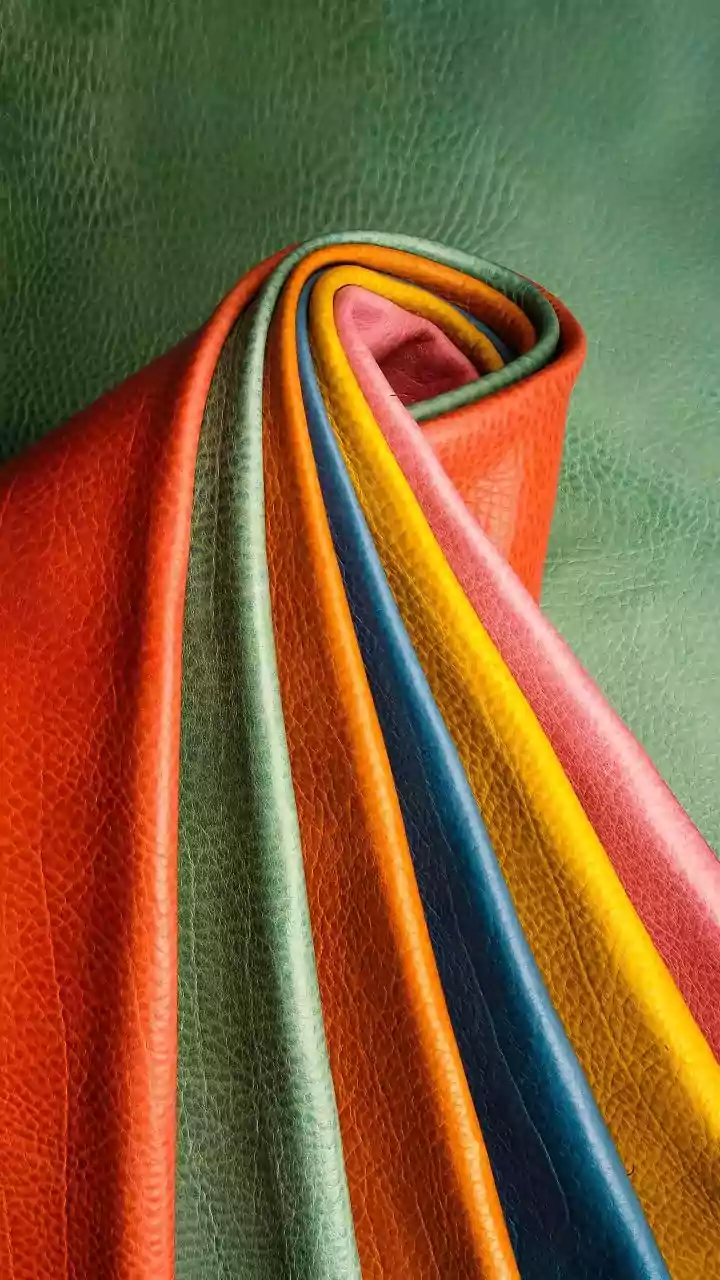



1. Clean, but Gently
Leather accumulates dust, body oils, and grime just like any other material. Over time, this build-up can damage the finish and weaken the fibres. The first rule is to clean your leather items regularly, but avoid harsh household chemicals at all costs.
Products containing alcohol, bleach, or ammonia will strip the leather of its natural oils, leading to dryness and cracking. Instead, a simple wipe-down with a dry microfibre cloth every week can remove surface dust. For a deeper clean every few months, use a pH-balanced cleaner made specifically for leather. Always apply the cleaner to a soft cloth, not directly to the leather, and test it on a small, hidden area first. If your item gets wet, gently blot the moisture with a dry cloth immediately; never rub the spot.
2. Condition to Keep It Supple
Think of leather as skin—it needs moisture to stay flexible. Conditioning is the crucial step that replenishes the natural oils within the hide, preventing it from becoming stiff, brittle, and prone to cracking. However, balance is key. Under-conditioning leads to dryness, while over-conditioning can clog the leather's pores, making it feel greasy and attract dust. As a general rule, condition your leather goods every three to six months, though this can vary based on the climate and how often you use the item. In dry climates, you may need to condition more frequently. Always clean the leather before conditioning to ensure the product can be absorbed properly. Apply a small amount of a quality leather conditioner with a soft cloth in circular motions, allow it to absorb for a few hours, and then buff off any excess.
3. Store with Care
How you store your leather when not in use has a huge impact on its shape and condition. Leather needs to breathe, so never store it in a plastic bag or an airtight container, which can trap moisture and lead to mould or mildew. A breathable dust bag made of cotton or muslin is the ideal choice. For jackets, use wide, padded hangers to support the shoulders and prevent stretching or creasing. For handbags, avoid hanging them by their straps for long periods, as this can cause the leather to stretch. Instead, stuff the bag with acid-free tissue paper or soft cloths to help it maintain its shape and store it upright on a shelf. Proper storage prevents the permanent creases and deformations that often become the first sites of cracking.
4. Avoid Heat and Direct Sunlight
Extreme temperatures are one of leather’s biggest enemies. Direct sunlight and high heat can be incredibly damaging. The sun's UV rays act like a slow bleach, causing the colour to fade, while the heat causes the natural oils and moisture within the leather to evaporate quickly. This loss of moisture is what leads directly to a dry, brittle texture and eventually, cracking. Never dry a wet leather item with a hairdryer or by placing it near a radiator or heater. This rapid drying process will cause the material to become stiff and distorted. Always let leather air dry naturally at room temperature, away from any direct heat sources. Similarly, store your leather goods away from windows where they would be exposed to prolonged sunlight.
5. Know Your Leather Type
Not all leather is the same, and using the wrong product can cause unintended damage. Full-grain and top-grain leathers are smooth and durable, benefitting from standard cleaners and conditioners. However, other types like suede or nubuck have a soft, velvety texture and require completely different care. Using water-based cleaners or creams on suede will ruin its delicate nap and can cause stains. These materials require specific tools like a suede brush and specialised dry-cleaning methods. Before you apply any product, identify your leather type. If you're unsure, check the manufacturer's label or website for care instructions. Treating all leather uniformly is a common mistake that can lead to irreversible damage, so a little research beforehand goes a long way in preserving your item.