






A Disaster at the Worst Possible Time
On the morning of August 26, 2026, a torrent of mud, ice, and debris tore through the Bhote Koshi and Trishuli river corridors in northern Nepal. The flash flood, believed to have been triggered by a glacial collapse near the border with Tibet, was swift
and devastating. It struck with almost no warning, destroying homes, bridges, roads, and hydropower projects in the Rasuwa, Nuwakot, and Dhading districts. The timing could not have been worse. September marks the beginning of Nepal's peak autumn trekking season, which runs until November. This period is the financial lifeblood for the country's tourism industry, an economic pillar supporting hundreds of thousands of jobs. The disaster has thrown bookings, travel plans, and livelihoods into a state of acute uncertainty.
The Affected Zone and the Ripple Effect
The destruction is heavily concentrated along a specific northern channel. The primary overland trade and tourist route to Tibet via Rasuwagadhi has been severed, with reports indicating that 42 kilometers of the main road were destroyed at multiple points. Syabrubesi, the main starting point for the popular Langtang Valley trek, suffered heavy damage. The disaster has had a significant human cost, with hundreds of locals and foreign nationals confirmed dead or missing. While the physical damage is localized, the economic and reputational impact threatens to be nationwide. Tourism is an industry highly sensitive to perceptions of safety and accessibility. Even a localized disaster can trigger widespread cancellations as international headlines paint a broad picture of a country in crisis, a point of frustration for local authorities who stress that most of the country is safe and operational.
Which Tourist Areas Are Open?
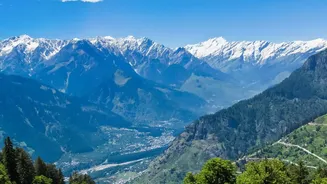
For travelers with upcoming plans, the key message from Nepali tourism officials and trekking agencies is one of geographical distinction. Major tourism hubs like the capital, Kathmandu, and the city of Pokhara were completely untouched and remain fully operational. Crucially, the world-famous Everest and Annapurna trekking regions are located far from the disaster zone and operate on entirely different river systems. Trails, teahouses, and airports in these areas are reported to be undamaged and are welcoming trekkers as usual. The Trekking Agencies' Association of Nepal (TAAN) has confirmed that regions like Kanchenjunga, Makalu, and Dolpa are also unaffected. The main challenge for the industry is communicating this nuance to a global audience to prevent a total collapse in bookings for the season.
Langtang and Manaslu: A Complicated Picture
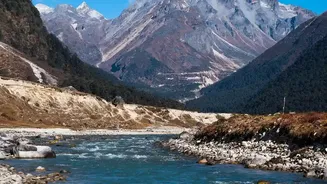
The situation is more complex for treks in the affected corridor. The Langtang region, while its high-altitude trails were not directly swept away, has lost its primary access road. Authorities and trekking companies are assessing an alternative route via Dhunche, which could add days to the itinerary. The Tamang Heritage Trail, which runs through the devastated valley, is considered closed until it can be fully surveyed. Similarly, while the Manaslu Circuit trek itself is reported to be intact, road access to its starting point has been disrupted, requiring careful planning and consultation with local operators. The overland route to Mount Kailash in Tibet via the Rasuwagadhi border is definitively closed for the foreseeable future.
An Industry Mobilises
In the face of the crisis, Nepal's tourism sector is scrambling to respond. The Nepal Tourism Board, in conjunction with police and trekking associations, has established an information desk to track and assist tourists. Tour operators are working to reroute clients where possible and provide clear, up-to-date information on which areas are safe. The government has launched a massive search, rescue, and relief operation, though efforts are hampered by the extensive damage to roads and bridges. There is a clear understanding that the path to recovery involves not just rebuilding infrastructure, but also rebuilding confidence. The estimated financial cost of reconstruction is already projected to be between $4 and $5 billion.