





The Tax Overhaul Explained
A year ago, the Indian government rolled out what is being called 'GST 2.0', a significant simplification of the tax structure for automobiles. Under the new system, which became effective on September 22, 2025, the GST on small cars was slashed from
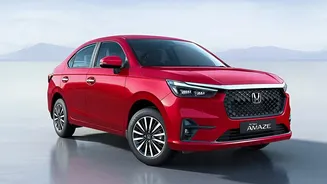
a hefty 28% plus additional cess to a much simpler and lower flat rate of 18%. This category includes petrol cars with engines up to 1200cc and diesel cars up to 1500cc, provided their length is under four metres. For larger cars and SUVs, the rate was set at a flat 40%, which, despite sounding high, often meant a net tax reduction as it replaced a previous structure of 28% GST plus a compensation cess of up to 22%. Electric vehicles continue to benefit from a low 5% GST rate.
Why Small Cars Lost Their Shine
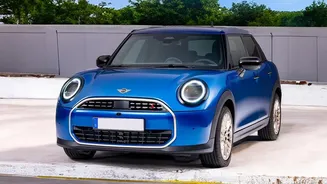
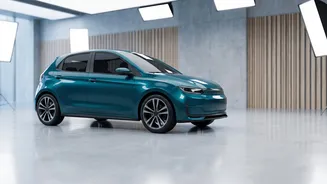
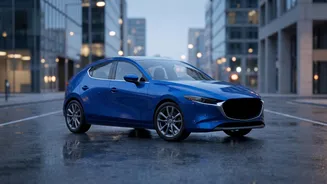
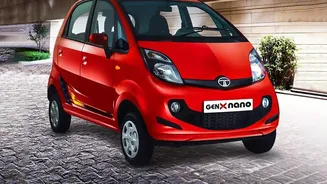
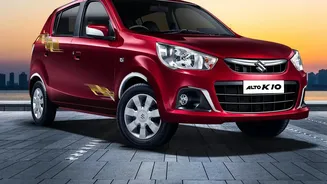
For decades, the small, affordable hatchback was the undisputed king of Indian roads, symbolising the aspirations of a growing middle class. However, in recent years, this segment has faced a steep decline. The market share for entry-level hatchbacks, which stood at nearly 8% just five years ago, had fallen dramatically. Several factors contributed to this shift. Rising regulatory costs, including stricter safety and emission norms, made these cars significantly more expensive, eroding their primary appeal of affordability. Simultaneously, Indian consumer preferences evolved. Buyers began prioritising space, safety features, and the aspirational value associated with sport utility vehicles (SUVs), even if it meant stretching their budgets.
A Jolt of Affordability
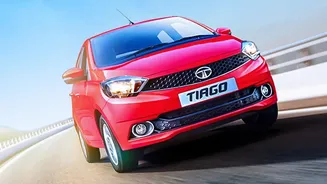
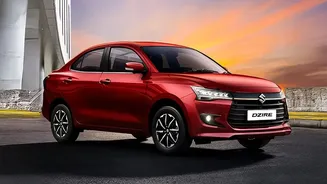
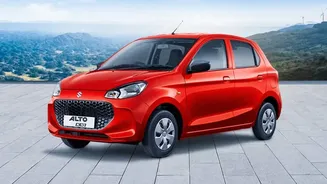
The GST reduction has delivered a powerful shot of adrenaline to the entry-level segment. Automakers promptly passed on the tax benefits to customers, leading to a noticeable drop in ex-showroom prices. The impact was immediate and substantial. Maruti Suzuki, the long-time leader in this space, reported a staggering 96% surge in sales for its entry-level cars between April and August 2026. Overall passenger vehicle sales for the company grew by about 36% in the same period. Other major players like Hyundai and Tata Motors also reported strong growth, with industry executives noting that monthly wholesale volumes of over 400,000 units have become the 'new normal' for the passenger vehicle market.
Is It a Full-Fledged Comeback?
The sales figures clearly show that affordability remains a critical factor for a large portion of Indian buyers. The Federation of Automobile Dealers Associations (FADA) noted that the reform didn't just pull existing demand forward; it effectively widened the market by making vehicle ownership accessible to more people, particularly in rural areas. However, the road to a full recovery for small cars is still being paved. While entry-level hatchback market share has seen a modest recovery, rising from 2.3% to 3.3% in the past year, the broader hatchback segment has remained mostly stable. Meanwhile, the dominance of SUVs continues, with their market share climbing to 58%. This suggests that while price is crucial, the appeal of the SUV form factor remains incredibly strong.