







Why Your Brain Needs a Better Snack
The feeling of a mid-afternoon slump or 'brain fog' is often tied to your blood sugar levels. Your brain's main source of energy is glucose. When you eat simple carbs or sugary treats, you get a rapid spike in blood glucose, followed by a sharp crash.
This crash can leave you feeling sluggish, irritable, and unable to concentrate. The goal isn't to avoid carbs, but to choose smarter ones. By selecting snacks that provide a steady release of energy, you can help maintain stable blood sugar levels, which is crucial for sustained focus and mental clarity throughout the day. A thoughtful snack strategy is less about a quick jolt and more about providing your brain with consistent, quality fuel.
The Building Blocks of a Smart Snack
To create a snack that provides lasting energy, aim for a combination of three key macronutrients: protein, fiber, and healthy fats. Protein helps keep you feeling full and supports brain function, as the amino acids in protein are essential for creating neurotransmitters. Fiber, found in whole grains, fruits, and vegetables, slows down digestion and the release of sugar into your bloodstream, preventing those dramatic energy spikes and dips. Healthy fats, particularly omega-3 fatty acids found in nuts and seeds, are vital for brain structure and can help improve cognitive function. Combining these elements ensures your snack is not only satisfying but also works with your body to maintain focus.
Savoury Staples for Sustained Energy
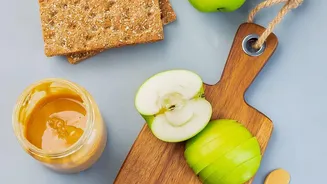
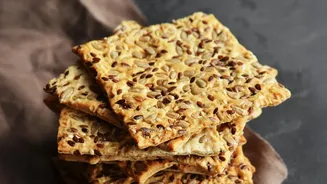
Keeping a stash of shelf-stable, savoury options makes healthy choices easy. Mixed nuts like almonds, walnuts, and cashews are a powerhouse of healthy fats, protein, and fiber. Roasted chickpeas or fava beans offer a satisfying crunch along with plant-based protein and fiber. Whole-grain crackers paired with single-serving nut butter packs provide a balanced mix of complex carbs and healthy fats. Even a small pouch of tuna or a hard-boiled egg (if you have fridge access) can deliver a significant protein boost to carry you through the afternoon. For something simple, air-popped popcorn seasoned with spices instead of salt and butter is a high-fiber, low-calorie choice.
Satisfying Your Sweet Tooth Wisely
Cravings for something sweet are natural, and you don't have to ignore them. The key is to choose options that offer nutritional benefits. Dried fruits like apricots or raisins provide quick energy from natural sugars, but pairing them with a handful of nuts helps balance the effect on your blood sugar. A small portion of high-quality dark chocolate contains antioxidants and can satisfy a craving without a sugar overload. If you have access to a fridge, Greek yogurt is an excellent choice, offering nearly double the protein of regular yogurt. Topping it with fresh berries adds natural sweetness, fiber, and antioxidants that support brain health.
Make It a Mindful Moment
What you eat is important, but how you eat matters, too. Instead of mindlessly snacking at your desk while answering emails, take a few minutes to step away. Practicing mindful eating—paying attention to the flavors, textures, and aromas of your food—can improve digestion and help your brain register satiety. This brief pause serves as a mental reset, reducing stress and allowing you to return to your work with renewed focus. Think of your snack break not just as refueling, but as a small ritual of self-care that separates your work from your well-being, ultimately benefiting both.