
The Heart of Gujarati Comfort
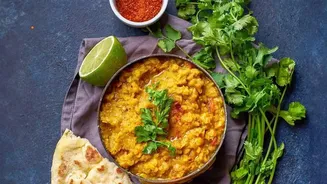
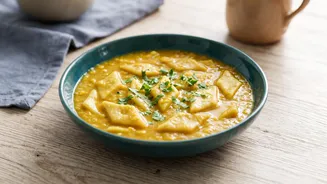
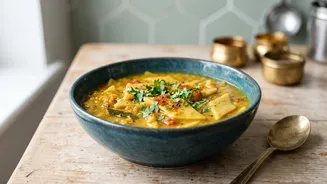
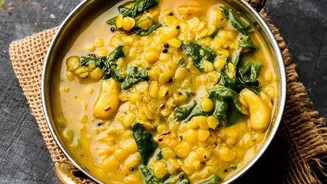
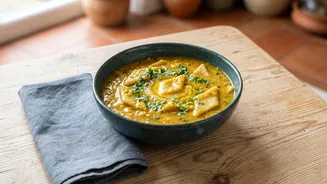
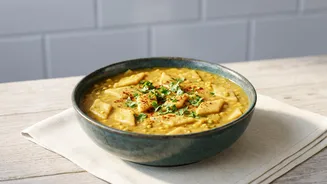
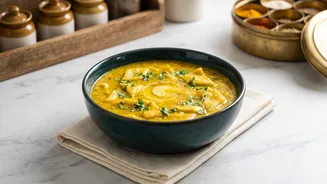
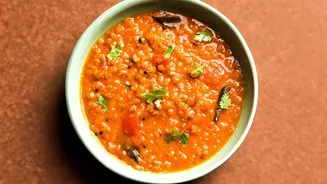
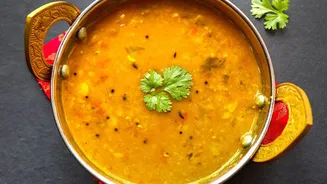
Dal Dhokli is a traditional one-pot meal originating from Gujarat, with popular variations also found in Rajasthan and Maharashtra. At its core, the dish consists of two main parts: the 'dal', a flavorful stew typically made from toor dal (split pigeon
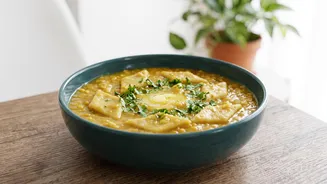
peas), and the 'dhokli', which are small, spiced dumplings made from wheat flour. The dhokli are rolled thin, often cut into diamond shapes, and then simmered directly in the boiling dal until they cook through, absorbing all the surrounding flavours. The result is a uniquely satisfying dish with soft, pasta-like dumplings swimming in a gravy that masterfully balances sweet, spicy, and tangy notes, often achieved with jaggery and kokum or lemon juice. It's a complete meal in a bowl, cherished as a hearty lunch or a comforting dinner.
Exaggeration 1: A Quick and Easy Meal
Many recipes label Dal Dhokli an "easy" or "quick" one-pot meal, perfect for a busy day. While it technically finishes in a single pot, this description can be misleading. The process involves several distinct steps that require time and attention: preparing and kneading a spiced dough for the dhokli, pressure-cooking the dal until soft, preparing a 'vaghar' (tempering) of spices, and then finally combining everything and simmering until the dhokli are cooked. The total time from start to finish can easily exceed an hour. While some resourceful home cooks make it from leftover dal and chapati dough, creating it from scratch is a labour of love. It’s a wonderful weekend or rainy-day project, but perhaps not a go-to for a frantic weeknight unless you plan ahead.
Exaggeration 2: A Mythical Royal Origin
Like many beloved traditional dishes, Dal Dhokli has a fascinating, though likely embellished, origin story. One popular legend connects it to the Rajput king Prithviraj Chauhan. The story goes that when his kingdom was under siege and fresh vegetables were scarce, a clever cook created a nutritious meal by combining lentils with pieces of leftover roti, thus inventing the dish. While romantic, this tale is difficult to verify and shares similarities with origin myths for other resourceful dishes born of necessity. A more grounded explanation is that Dal Dhokli evolved organically in Gujarati households as a clever way to create a wholesome, satisfying meal using pantry staples like lentils and flour. Its endurance comes not from a royal decree, but from its practicality and comforting nature.
Exaggeration 3: The Ultimate Health Superfood
Made with protein-rich lentils and whole wheat flour, Dal Dhokli is undeniably nutritious. It’s a well-balanced meal providing protein, fibre, and complex carbohydrates. However, it is often presented as an unimpeachable health food, which needs some context. Dal Dhokli is hearty and calorie-dense, not a light diet dish. A single serving can contain a significant number of calories and carbohydrates, especially with the traditional addition of ghee and jaggery. While it’s packed with goodness, it's a dish meant to provide energy and comfort. It's more accurate to call it wholesome and nourishing rather than a low-calorie health food. Enjoying it in moderation is key, as with any comfort food.
Appreciating the Authentic Appeal
Despite the exaggerations, Dal Dhokli’s place as a cornerstone of Gujarati cuisine is well-earned. It represents a culinary tradition where taste, texture, and nutrition are brought together with ingenuity. It’s a dish that has been cooked in homes for generations, long before it needed a dramatic backstory or superfood label to justify its existence. The true magic of Dal Dhokli isn't in its alleged royal past or its quick-fix convenience, but in the simple, profound comfort it delivers. It's the taste of home, the feeling of a meal made with care, and the perfect showcase of how simple ingredients can be transformed into something truly special.