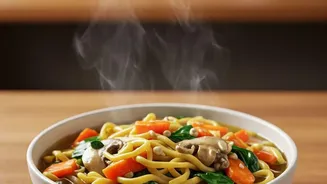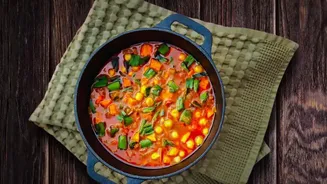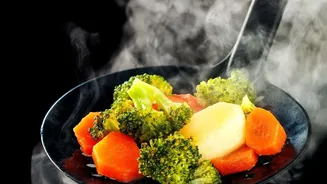





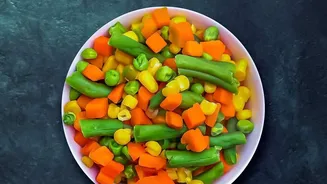
The Problem: Why Frozen Vegetables Get Mushy
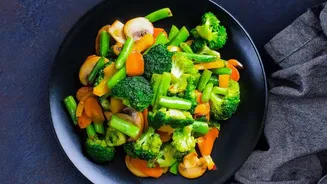
We’ve all been there. You toss a bag of frozen broccoli, carrots, or green beans into a hot pan, hoping for a delicious, sautéed side dish. Instead, you get a steaming, soggy mess. The primary culprit is overcrowding. When frozen vegetables are piled
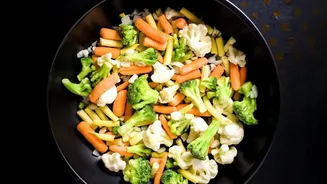
into a small pan, they don't have enough space. The ice crystals on them melt into water, and instead of sautéing in hot oil, the vegetables end up boiling in their own liquid. This steaming process is what leads to that undesirable soft texture and diluted flavour. Frozen vegetables are blanched before being frozen, which means they're already partially cooked. This makes them more susceptible to overcooking and turning mushy if not handled correctly. Thawing them before cooking only makes the problem worse, as the melting ice seeps into the vegetables, making them waterlogged from the start.
The Solution: The Science of a Wider Pan
Using a wider pan is the single most effective change you can make. It’s all about maximising surface area. A large, wide pan allows you to spread the frozen vegetables in a single, even layer. This accomplishes two crucial things. First, it allows the excess moisture from the ice crystals to evaporate quickly, rather than getting trapped and steaming the vegetables. Second, and most importantly, it ensures each piece of vegetable makes direct contact with the hot surface of the pan. This direct contact is what enables the Maillard reaction to occur. The Maillard reaction is a chemical process between amino acids and sugars that happens at high temperatures, creating the delicious browning, caramelisation, and complex flavours we associate with well-cooked food. Without enough space, the vegetables just steam, and the temperature never gets high enough for this flavour-building reaction to happen.
Your Step-by-Step Guide to Perfect Sautéed Frozen Veggies
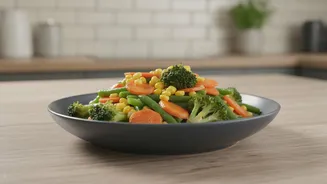
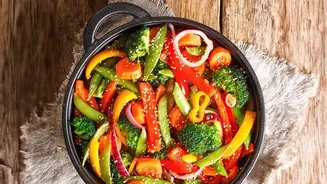
Ready to put this into practice? It's simple. First, choose the largest, widest pan you have—a large skillet, a sauté pan with straight sides, or even a kadai will work well. Heat the pan over medium-high heat before adding anything. Once hot, add a generous amount of oil or butter. Add your frozen vegetables directly from the freezer; do not thaw them. Arrange them in a single layer, ensuring they aren't crowded. Here’s a key tip: don't stir them immediately. Let them sit for a few minutes to allow one side to get a nice brown sear. Then, you can stir or toss them occasionally until they are cooked through and nicely caramelised, which typically takes about 5-7 minutes. Season them towards the end of the cooking process to prevent water from being drawn out too early.
Expand Your Technique: Roasting for Maximum Crispiness
The same principle of providing ample space applies to oven roasting. In fact, roasting is one of the best ways to achieve a crispy, delicious texture with frozen vegetables. Use a large, heavy baking sheet—the oven's equivalent of a wide pan. For the best results, preheat the baking sheet in a hot oven, around 220-230°C (425-450°F). Toss your frozen vegetables in a bowl with a good amount of oil and your chosen seasonings. Carefully spread the coated vegetables in a single layer on the hot baking sheet. The initial sizzle you hear is a good sign—it means the moisture is evaporating instantly. Roast for 15-25 minutes, flipping them halfway through, until they are browned and crispy at the edges. Again, the key is not to overcrowd the pan, as this will cause them to steam instead of roast.
Choosing the Right Pan and Other Tips
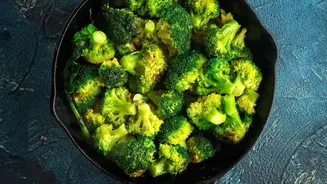
While any wide pan is better than a small one, some materials can enhance the process. Cast iron and carbon steel skillets are fantastic because they retain a huge amount of heat, which helps evaporate moisture quickly and promotes a deep, even sear. A heavy-bottomed stainless steel pan is also an excellent choice for its even heat distribution. Non-stick pans can work, but they often don't achieve the same level of browning as cast iron or stainless steel. Regardless of the material, the most important factors remain the same: get the pan hot, use enough fat, cook from frozen, and—above all—give your vegetables plenty of space to breathe.