





The Science Behind the Lean
That persistent tilt is a natural survival instinct called phototropism. Plants need sunlight for photosynthesis, the process of converting light into energy. To maximize this, they produce a growth hormone called auxin. This hormone accumulates on the shaded
side of the stem, causing the cells there to grow longer and faster. This differential growth makes the entire stem bend and reach for the nearest light source. Over time, this results in a plant that not only leans but may also have denser, larger leaves on the side facing the window, while the other side remains sparse.
Your New Easiest Plant Habit
The solution is as simple as it sounds: rotate your plant. By regularly turning your pot, you ensure every part of the plant gets its turn in the sun. This simple action counteracts the one-sided pull of phototropism, encouraging the plant to grow straight and upright instead of stretching desperately in one direction. This habit takes only a few seconds but makes a world of difference in developing a balanced, structurally sound plant. For plants that have already developed a significant lean, you can correct it by turning the less-developed side to face the light, and it will gradually straighten itself out over weeks or months.
Finding the Right Rhythm
So, how often should you do the turn? There isn't a single strict rule, but a great, easy-to-remember guideline is to give your plant a quarter-turn every time you water it. This consistent, gentle rotation helps maintain balanced growth. Other experts suggest a quarter turn every one to two weeks is sufficient to prevent unevenness. Plants in lower light conditions might benefit from more frequent rotations than those basking in bright, direct sun. The most important thing is consistency. Pick a schedule that works for you and stick with it. Your plant will thank you for the steady attention.
More Than Just Good Looks
While a symmetrical plant is certainly more visually appealing, the benefits of rotation go deeper than aesthetics. Ensuring all sides of the plant receive adequate light promotes stronger, more resilient stem development. It also encourages fuller, more even foliage all around, preventing sparse or 'leggy' patches on the shaded side. Furthermore, regular turning improves air circulation around the entire plant, which can help reduce the risk of pests and mold that thrive in stagnant conditions. Exposing previously shaded areas to light can even stimulate new shoots and leaves, leading to a lusher, healthier plant overall.
Are There Any Exceptions?
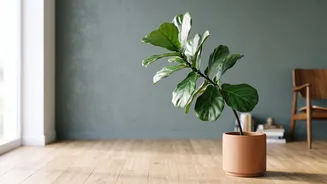
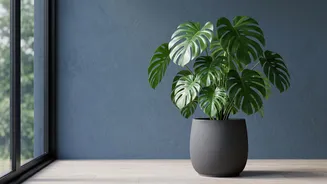
Almost all houseplants benefit from rotation, but there are a few exceptions to consider. Some vining plants that have a clear 'front' and 'back', like a Monstera climbing a moss pole, should not be rotated as it can disrupt their natural growth pattern. Additionally, certain flowering plants, such as orchids or Christmas cacti, can be sensitive. If they have already set buds, a sudden change in orientation might cause them to drop their buds before they bloom. In these specific cases, it's best to let them be. For the vast majority of common houseplants, however, from fiddle leaf figs to snake plants and spider plants, regular rotation is a key to success.