



The Common Person’s Chariot
Before diving into the new routes, it’s worth understanding what makes the Amrit Bharat Express a significant step forward for Indian travellers. Unlike the fully air-conditioned Vande Bharat, the Amrit Bharat is designed for the common passenger, offering
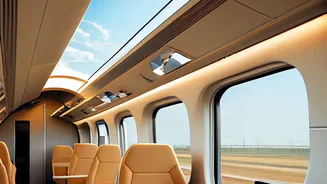
a vastly improved experience in non-AC sleeper and general class coaches. These trains feature a push-pull locomotive setup, which provides quicker acceleration and a smoother, jerk-free journey. Inside, passengers will find cushioned berths, mobile charging points at every seat, CCTV cameras for enhanced security, modern bio-vacuum toilets, and better lighting. The aim is to provide a dignified, comfortable, and fast travel option without the premium price tag, directly benefiting migrant workers, students, and families on long-distance journeys.
1. Dhanbad to Coimbatore
This new weekly service is a game-changer, connecting the coal capital of India, Dhanbad, with the industrial and textile hub of Coimbatore in Tamil Nadu. The train will traverse through five states: Jharkhand, Bihar, Uttar Pradesh, Maharashtra, and Andhra Pradesh, before reaching Tamil Nadu. Key stops include Gaya, Jabalpur, Nagpur, Vijayawada, and Salem, linking numerous important religious and economic centres. Currently, only one direct train serves this lengthy route. The Amrit Bharat Express will provide a much-needed modern and affordable alternative, covering the distance of nearly 3,000 km in approximately 50 hours.
2. Gorakhpur to Delhi
Enhancing connectivity between eastern Uttar Pradesh and the national capital, this weekly service is set to be a lifeline for countless travellers. The Gorakhpur-Delhi Amrit Bharat will significantly reduce travel time compared to other non-premium trains on this high-demand corridor. With stops at key stations like Basti, Gonda, Sitapur, Bareilly, and Moradabad, the train will cater to one of the country's busiest travel segments. It is expected to cover the roughly 780 km journey in about 14 hours, offering a faster and more comfortable ride.
3. Gorakhpur to Bandra (Mumbai)
Another crucial link originating from Gorakhpur, this service connects eastern UP with India's financial capital, Mumbai. The weekly train will pass through major hubs like Kanpur Central, Agra Fort, Kota, Ratlam, and Surat before reaching Bandra Terminus. This route directly serves the large population of migrant workers who travel between Uttar Pradesh and the Mumbai metropolitan region for employment, offering them a more dignified and faster journey home.
4. Charlapalli (Hyderabad) to Gorakhpur
This service creates a vital north-south corridor, linking Telangana's capital region with Gorakhpur in Uttar Pradesh. The train will travel via major central Indian cities including Nagpur, Bhopal, and Jhansi, before passing through Lucknow. This route enhances connectivity for students, pilgrims, and workers, connecting the IT and industrial hubs of the south with the populous regions of the north. The inclusion of stops like Mancherial and Peddapalli in Telangana provides a significant boost to regional connectivity.
5. Prayagraj to Udhna (Surat)
Connecting the holy city of Prayagraj with the commercial powerhouse of Surat, this weekly train will be a major boon for travellers in Uttar Pradesh, Madhya Pradesh, and Gujarat. The route includes important stops at Agra, Kota, and Vadodara, facilitating both pilgrimage and business travel. By linking these major economic and cultural centres, the train will ease pressure on existing services and provide a new, reliable option for passengers.
6. Two More Routes from Prayagraj Region
The railway board has also approved two additional services from the Prayagraj area to Mumbai, further cementing its role as a critical railway hub. One service will connect Prayagraj to Lokmanya Tilak Terminus (LTT) via Itarsi and Bhusaval. Another, originating from nearby Subedarganj, will also run to LTT, Mumbai, with stops including Satna, Jabalpur, and Nasik Road. These services cater to the immense passenger traffic between Uttar Pradesh and Mumbai, offering more choices and reducing congestion on one of India's most travelled corridors.