

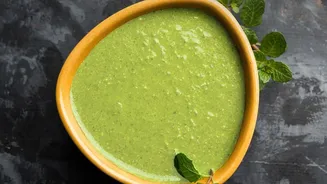

The Problem with Runny Chutney
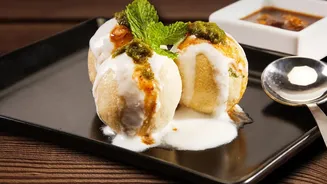
Green chutney is a cornerstone of Indian cuisine, a fresh and zesty condiment that elevates everything from samosas and pakoras to the humble sandwich. But too often, the homemade version ends up thin and watery. This liquid consistency not only dilutes
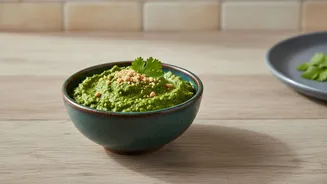
the flavour but also creates a mess. When spread on bread, it soaks in almost immediately, compromising the structural integrity of your sandwich and leading to a sad, soggy lunch. When used as a dip, it fails to coat snacks properly, leaving you with more chutney on the plate than on your food. The key to a transcendent chutney experience lies in achieving a thick, spreadable, and clingy texture.
The Secret to Thickness: Key Ingredients
The magic of a thick chutney lies in adding a binding agent that absorbs excess moisture without overpowering the fresh, herbal flavours. Several common pantry ingredients can accomplish this. Roasted peanuts are a popular choice, lending a subtle nutty flavour and creating a creamy, thick base. Similarly, roasted chana dal (fried gram) is a classic thickener that binds the chutney effectively. Some recipes call for fresh or desiccated coconut, which adds thickness along with a hint of sweetness, particularly common in chutney destined for a classic Bombay sandwich. For a neutral-flavoured option, a slice of day-old white bread or even a tablespoon of sev (thin chickpea flour noodles) can be blended in to absorb water. Yoghurt can also be used to create a creamier, thicker consistency.
The Perfect Thick Sandwich Chutney Recipe
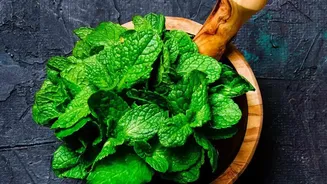
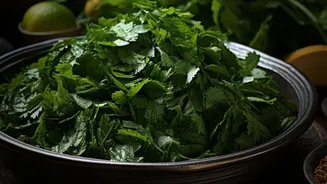
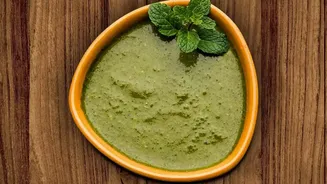
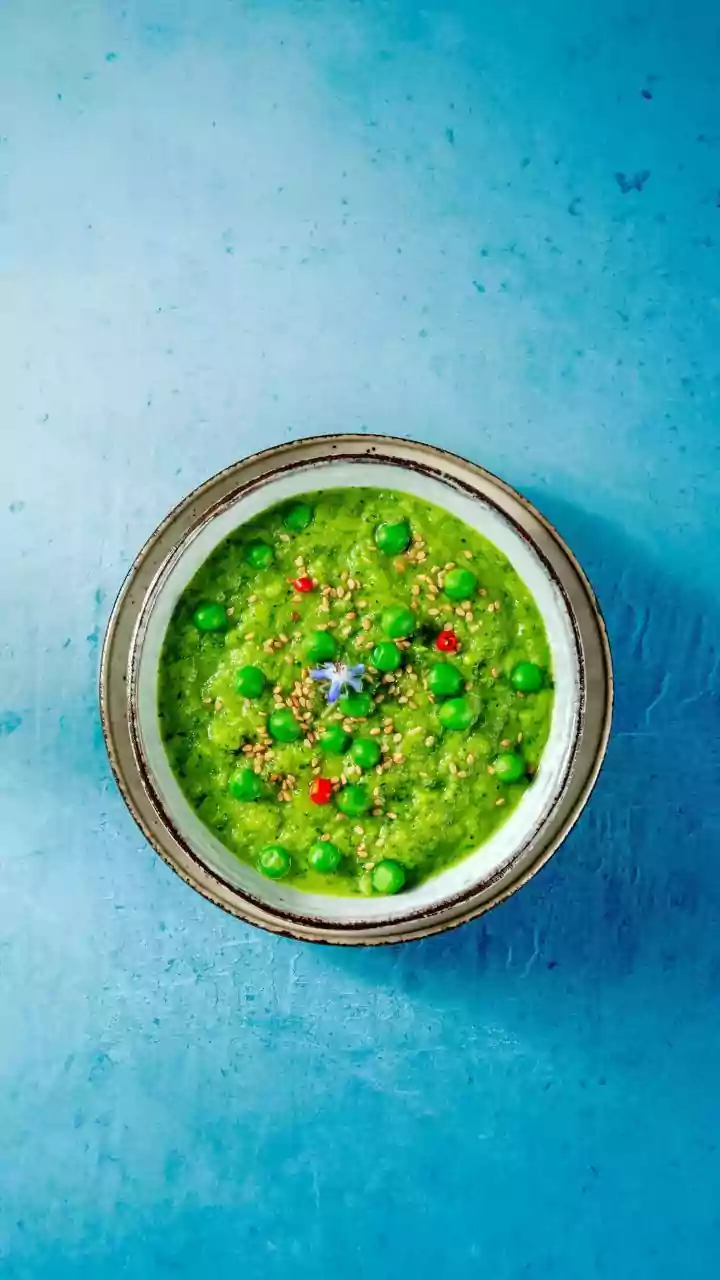
This recipe is designed for a thick consistency that’s ideal for spreading. Start with 2 cups of fresh, tightly packed coriander leaves, including the tender stems. Add 1 cup of mint leaves (stems removed). To this, add your chosen thickener—2 to 3 tablespoons of roasted peanuts or roasted chana dal are excellent starting points. Next, incorporate your aromatics and flavourings: a 1-inch piece of ginger, 2 to 3 green chillies (adjusted to your spice preference), a few cloves of garlic (optional), 1 teaspoon of roasted cumin seeds or powder, and half a teaspoon of chaat masala. Finally, add salt to taste and the juice of half a lemon. The lemon juice is crucial as it helps preserve the chutney's vibrant green colour by preventing oxidation.
Technique Is Everything: How to Blend
How you blend the chutney is just as important as what’s in it. The number one rule is to use as little water as possible. Start with just a tablespoon or two and only add more if the blender blades get stuck. Another professional trick is to use a couple of ice cubes instead of water. The ice helps the ingredients blend while keeping the mixture cold. The heat generated by a blender can 'cook' the delicate herbs, causing them to darken. The cold temperature from the ice cubes helps maintain that bright, fresh green colour we all love. Blend in short pulses, scraping down the sides as needed, until you reach a smooth but thick paste.
Using and Storing Your Chutney
This thick chutney is perfect for slathering generously on bread for any kind of sandwich—from a simple cucumber and tomato to a fully loaded Bombay grill. It also serves as a fantastic dip for kebabs, tikkis, and other snacks, as it will cling without dripping. To store it, transfer the chutney to a clean, dry, airtight glass jar. It will stay fresh in the refrigerator for up to a week, though the flavour is best in the first 2-3 days. For longer storage, you can freeze the chutney in an ice cube tray. Once frozen, transfer the cubes to a freezer bag. This allows you to thaw small, convenient portions as needed, ensuring you always have perfect green chutney on hand.