

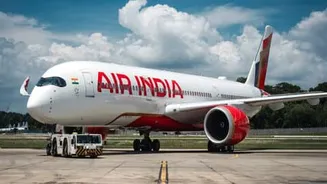
A Game-Changer for Ladakh Travel
In a move set to transform travel in the region, authorities are targeting the launch of civilian flight operations from Thoise Airport in Nubra Valley by December 2026. This long-awaited development would open up Ladakh’s second airport for commercial
passenger services, breaking the region’s reliance on Leh as its sole air gateway. At a high-level meeting chaired by Ladakh's Lieutenant Governor Vinai Kumar Saxena, key decisions were made to fast-track the project. The Indian Air Force, which controls the airfield, has approved the allotment of five acres for a new civilian terminal, while the crucial work of recarpeting the runway is scheduled for completion by November 2026. To facilitate a swift start, an existing terminal building will be refurbished to handle the first wave of commercial flights.
From a Six-Hour Drive to a Short Flight
The primary appeal of flying into Thoise is the immense time it will save. Currently, travellers landing in Leh face a journey of approximately 150-160 kilometres to reach Diskit or Hunder in Nubra Valley. This drive, while scenic, involves navigating the hairpin bends and extreme altitude of Khardung La pass, one of the world's highest motorable roads. The trip typically takes between five to seven hours, depending on road conditions, traffic, and essential acclimatization stops. The introduction of direct flights to Thoise would slash this transit time dramatically, replacing a demanding overland journey with a short flight. This would allow visitors to land directly in the heart of the valley, preserving their energy for exploration rather than spending a significant portion of their day on the road.
Rewriting Your Nubra Itinerary
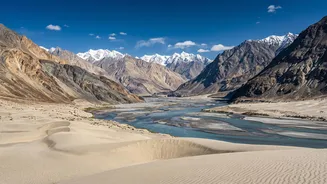
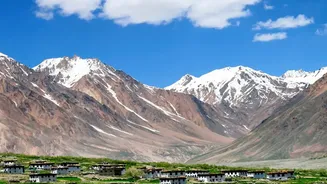
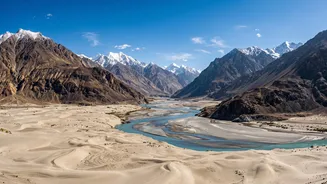
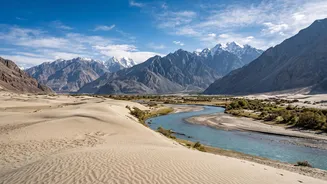
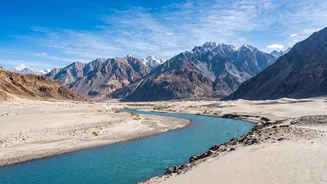
The new flight route is poised to completely reshape how tourists plan their Ladakh trips. With the ability to fly directly into Nubra, travellers can design more flexible and efficient itineraries. One could, for instance, begin their Ladakh tour in Nubra Valley, acclimatizing at its lower altitude of around 10,000 feet before proceeding to Leh. This option opens up possibilities for new circuits, potentially making it easier to explore the remote villages of Turtuk or the areas leading towards Siachen Base Camp without backtracking to Leh. It would allow for longer, more immersive stays in the valley, giving visitors more time to soak in the unique landscape of sand dunes, monasteries, and apricot orchards. The change could encourage tourists to spend more days and resources directly within the Nubra region, benefiting local communities.
What We Know (And Don’t Know) So Far
While the target of a December 2026 launch is ambitious and exciting, it is important for travellers to understand that this is a goal, not a guarantee. The timeline is contingent on the timely completion of runway work and terminal refurbishment. As of now, no specific airlines have announced routes to Thoise. Details regarding flight frequency, departure cities, ticket prices, and booking availability are yet to be confirmed. The project is part of a broader push to enhance regional connectivity, possibly under the government's UDAN scheme, which aims to make flying more accessible in smaller towns. Prospective travellers should keep an eye out for official announcements from airlines and aviation authorities in the coming months.
More Than Just a Tourist Convenience
The impact of flights to Thoise extends far beyond tourism. For the residents of Nubra Valley, reliable air connectivity is a lifeline, especially during the harsh winter months when heavy snowfall can close Khardung La and isolate the region for extended periods. These flights are expected to provide greater accessibility for medical emergencies, facilitate the easier transport of goods, and create new livelihood opportunities. Furthermore, by providing an alternative entry and exit point for Ladakh, Thoise will help decongest the increasingly busy Kushok Bakula Rimpochee Airport in Leh, distributing the flow of visitors more evenly across the Union Territory and supporting sustainable economic growth.