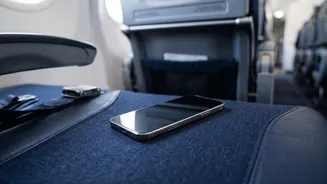






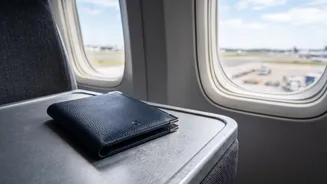


It’s a sinking feeling every traveler dreads: you’ve deplaned, walked halfway down the terminal, and suddenly realize your tablet, headphones, or wallet is still in the seatback pocket. Your first instinct is to turn around and run back.
The Myth of a Quick Return
Many passengers
assume they can simply walk back onto the aircraft to grab a forgotten item, especially if it has only been a few minutes. However, this is almost never allowed. Once you deplane, strict security and operational protocols kick in. The moment the last passenger steps off, the aircraft is no longer considered a simple passenger area. It becomes an active operational zone, and allowing passengers back on would complicate security checks and passenger counts. Crew members have specific post-flight duties to attend to, and the process of handing the aircraft over to the next team—be it cleaners, maintenance, or the next flight crew—begins immediately. Letting individuals re-board disrupts this crucial and time-sensitive workflow.
The Race Against the Clock
The primary reason you can’t go back is the incredibly tight turnaround schedule most aircraft operate on. Airlines aim to keep their planes in the air as much as possible, as a grounded plane isn't generating revenue. Turnaround operations—including deplaning, cleaning, refueling, catering, and boarding for the next flight—are timed down to the minute. A single person walking back against the flow of deplaning passengers can create a bottleneck, causing a chain reaction of delays. These delays can affect not just the next flight on that aircraft but can ripple throughout the airline's network for the rest of the day, leading to missed connections for other travelers.
Security and Handoff Procedures
After a flight lands, the cabin must be secured. Cleaning crews and airline staff perform security sweeps to ensure nothing dangerous has been left behind. If passengers were allowed to re-enter, it would undermine the integrity of these sweeps. Furthermore, the cleaning and ground staff are often third-party contractors who follow their own procedures. When an item is found, it is typically logged and handed over to a central lost and found department, not kept at the gate. This means the gate agent or flight attendants you just saw may no longer have access to the aircraft or any items found within it once the cleaning process has begun.
The Correct First Step: Act Immediately
If you realize you’ve left something behind while you are still on the jet bridge or at the gate, do not leave the area. Immediately inform the gate agent or a flight attendant standing by the aircraft door. At this stage, it's often possible for a crew member to quickly go back to your seat and retrieve the item for you. This is your best and most immediate chance of recovery. Once you leave the secure gate area and enter the main terminal or baggage claim, it becomes significantly more difficult, as you cannot re-enter the secure zone without a valid boarding pass for an upcoming flight.
Filing a Formal Lost Item Report
If you've already left the airport, or if the gate agent was unable to help, your next and most crucial step is to file an official lost item report with the airline. Nearly all major airlines, including United, American, and Southwest, have dedicated online forms for this purpose. Be as detailed as possible in your report. Instead of 'black coat', write 'black, size large men's wool coat from Brand X with a set of keys in the right pocket'. Include your flight number, date, and seat number. Many airlines will search for your item for up to 30 days and provide email updates on the status of their search.
Prevention Is the Best Policy
Of course, the best way to deal with a lost item is to avoid leaving it in the first place. Before deplaning, make it a habit to perform a thorough check of your entire seating area. Look in the seatback pocket, check on the floor and under your seat, and glance in the overhead bin one last time, even if you think you took everything. For critical items like phones and laptops, technology like Apple's 'Find My' can be a lifesaver. A simple final check can save you from the stress and complicated process of trying to recover your belongings after you’ve already walked away.