





The Two Faces of Dalchini: Ceylon vs. Cassia
The first step is knowing that two main types of cinnamon dominate the market: Ceylon and Cassia. Ceylon cinnamon (Cinnamomum verum) is often called “true cinnamon” and originates from Sri Lanka and Southern India. Cassia cinnamon is the far more common
and cheaper variety you’ll find in most supermarkets. It’s typically sourced from China, Indonesia, or Vietnam. While both are technically cinnamon, they differ significantly in flavour, appearance, and chemical composition. Most of the time, the dalchini in our masala dabbas is Cassia.
Trust Your Eyes: What to Look For in Sticks
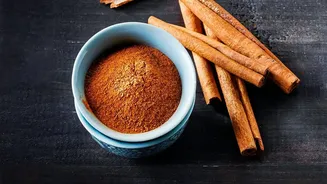
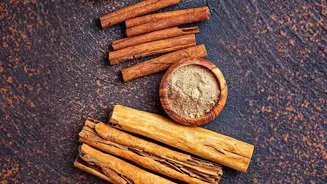
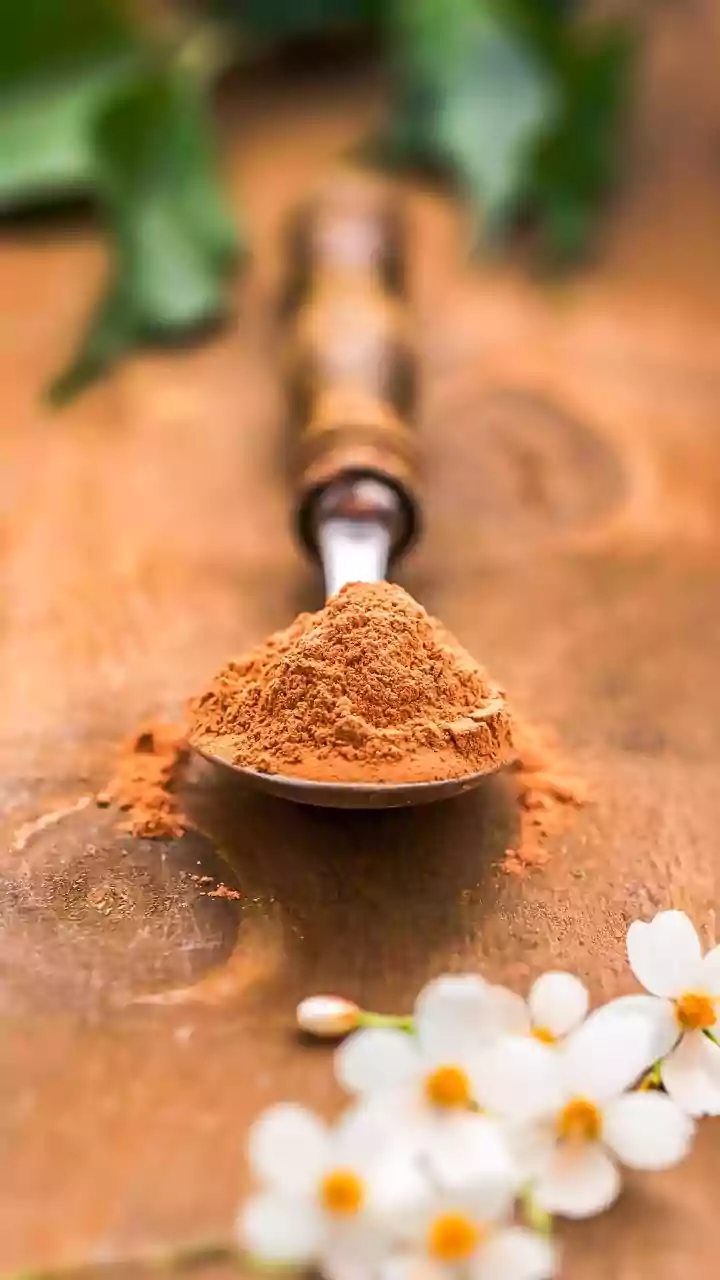
The easiest way to tell the two apart is in their stick form, also known as quills. Ceylon cinnamon sticks are light tan-brown and composed of many thin, fragile layers of bark rolled together, resembling a tightly packed cigar. They are brittle and can be easily crumbled. Cassia sticks, on the other hand, are reddish-dark brown, thick, and hard. They typically consist of a single, woody layer of bark that curls inward from both sides, forming a hollow scroll. If you're looking at ground cinnamon, Ceylon powder is generally a lighter, golden-brown, while Cassia powder is a darker, reddish-brown.
The Feel and Grind Test: Brittle vs. Tough
Texture provides another major clue. True Ceylon quills are soft, papery, and fragile. You can easily break them with your fingers. This soft texture also means they are easy to grind into a fine powder in a home grinder or even a coffee grinder. Cassia bark is the opposite. It’s dense, woody, and tough to break. Trying to grind Cassia sticks in a standard home appliance is often a struggle and can even damage the blades of your grinder, resulting in gritty, uneven chunks instead of a fine powder.
Aroma and Flavour: Subtle Sweetness or Pungent Spice?
A common myth is that stronger-smelling cinnamon is better, but this often just indicates it's Cassia. Cassia has a powerful, pungent, and spicy aroma and flavour. This is due to a high concentration of the compound cinnamaldehyde. Ceylon cinnamon has a more delicate, complex, and sweet aroma with subtle floral or citrus notes. Its flavour is milder and won't overpower a dish, making it prized for desserts and beverages where nuance is key. Cassia’s bold punch holds up well in dishes with many strong spices, like some curries and masalas.
Why Quality Matters: The Coumarin Concern
The most significant difference from a health perspective is a compound called coumarin. Cassia cinnamon contains high levels of coumarin, which in large or regular doses can potentially cause liver damage, especially in sensitive individuals. Ceylon cinnamon, by contrast, contains only trace amounts of coumarin, making it a much safer option for people who consume cinnamon frequently or in large quantities, such as for health purposes. While occasional use of Cassia in cooking is safe for most people, those who use it daily in their tea, oatmeal, or as a supplement should strongly consider switching to Ceylon.