






Master the Microwave
The microwave is ground zero for many office lunch grievances. The cardinal rule, repeated across countless workplaces, is to avoid foods with powerful, lingering odours. Fish is the most notorious offender, but intensely aromatic dishes like broccoli
or garlic-heavy meals can also permeate the office for hours. If you're unsure, a good test is to consider if the smell would be distracting from a few desks away. Also, always cover your food to prevent splatters. No one wants to clean up the remnants of your meal. If a spill does happen, wipe it down immediately; it’s a small act of courtesy that maintains a pleasant shared space for everyone.
Respect the Refrigerator
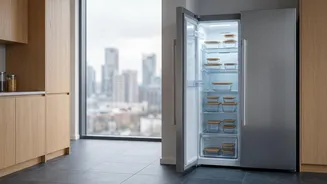
The shared refrigerator is a delicate ecosystem built on trust. The most important rule is simple: do not eat food that isn't yours. To avoid accidental theft, it’s wise to label your lunch with your name. This also helps when the inevitable weekly clean-out occurs. Be aware of your office's policy on fridge purging and remove your items before they become a science experiment in the back corner. Try not to monopolize space by bringing in a week's worth of groceries; only store what you need for the day. And if you bring in communal treats to share, be a good host by providing any necessary plates or napkins and cleaning up afterwards.
Keep Noise to a Minimum
Your colleagues are trying to work, and auditory distractions can be just as disruptive as olfactory ones. Be mindful of noisy eating habits, such as loud chewing, crunching, or slurping. If you're eating at your desk in an open-plan office, try to choose foods that are relatively quiet to consume. This also applies to the sounds of preparation; think twice before shaking a salad in a hard plastic container for two full minutes next to someone on a client call. The goal isn't to eat in complete silence, but to be aware that your lunch break may be happening during someone else's peak focus time.
Navigate the Desk Lunch Dilemma
While eating at your desk can feel productive, it’s often better for both you and your coworkers if you take a proper break. Stepping away from your screen can help reduce stress, prevent burnout, and even improve your posture. Psychologically, a real break allows your brain to reset, making you more effective when you return. If you must eat at your desk, be extra considerate of those around you by avoiding smelly or loud foods and cleaning up all crumbs and wrappers promptly. Remember, your desk can have more bacteria than a toilet seat, so keeping it clean is also a matter of personal hygiene.
Handle Social Situations with Grace
Office lunches aren't just about food; they're also a chance for social connection. When you can, going out to lunch with coworkers is a great way to build camaraderie. However, don't feel pressured to say yes every time. It's perfectly acceptable to want a quiet solo lunch to recharge. If you're invited and can't make it, a simple and polite decline is enough. When eating in a group, especially during a working lunch, be mindful of etiquette. Avoid eating while someone is presenting, as it can be distracting. And when it comes to splitting the bill, be clear and fair, ensuring everyone pays their share without causing awkwardness.
Be Mindful of Dietary Needs
In today's workplaces, you're likely to have colleagues with various dietary restrictions, allergies, and preferences. Be respectful of these needs. This is especially important when sharing food. If you bring in treats for the team, it's a thoughtful gesture to include a label with the main ingredients or simply state if it contains common allergens like nuts or dairy. When planning a team lunch, try to choose a place with options that cater to different dietary requirements, such as vegetarian, gluten-free, or vegan. This small consideration ensures that everyone feels included and respected within the team.