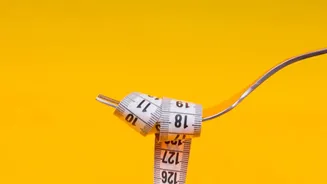









The Weight of Masculinity
Traditional ideas of masculinity often clash with the behaviours associated with dieting. Think about it: cultural scripts often link manliness with hearty eating, large portions, and a preference for meat. Dieting, with its emphasis on calorie counting,
portion control, and eating more vegetables, can be perceived as less masculine. This isn't just speculation; studies show that men who adhere more strongly to traditional masculine norms tend to eat more meat and are less open to plant-based diets. Furthermore, there’s a social component. Admitting to being on a diet or meticulously tracking food in a public setting can feel self-conscious or out of place for some men. This can create a significant psychological barrier before the first calorie is even counted.
Different Motivations, Different Approaches
Men and women often embark on weight loss journeys for different reasons and with different mindsets. While women are more likely to cite improving personal esteem as a primary motivator, men may be more driven by specific health concerns or performance goals. This can influence the type of plan they prefer. Many men gravitate towards structured, all-or-nothing approaches rather than more nuanced, flexible eating styles. The downside is that this black-and-white thinking can lead to a cycle of extreme restriction followed by a complete return to old habits, often referred to as 'yo-yo dieting'. This is compounded by the fact that men may be less likely to seek out organised weight loss programs or professional support, preferring a self-directed approach that can lack accountability.
The Biological Realities
Biology certainly plays a role, though it's not the whole story. Men typically have more muscle mass and a higher basal metabolic rate, which can make initial weight loss seem faster. However, as men age, testosterone levels naturally decline. This hormonal shift can lead to decreased muscle mass, a slower metabolism, and an increased tendency to store visceral fat around the abdomen. This type of fat is metabolically active and associated with a higher risk for conditions like heart disease and type 2 diabetes, making it not only harder to lose but also more dangerous. Chronic stress, which elevates the hormone cortisol, further encourages belly fat storage and can increase cravings for unhealthy foods, creating a vicious biological cycle.
Where the Research Falls Short
A significant part of the problem lies in the research itself. For decades, much of the scientific research on health, and specifically nutrition, has been based on male subjects. However, early dieting and body image research often focused more on women, leading to a gap in understanding the unique psychological and social factors affecting men. A one-size-fits-all approach to dieting fails to account for the very different societal pressures men and women face. While women have historically been pressured to be smaller, men often face a dual pressure to be both lean and muscular, a specific body type that can encourage unhealthy behaviours like extreme restriction or over-exercising. Most studies also don't adequately capture the influence of gendered food associations — like meat being seen as masculine — on daily choices. This oversight means that many mainstream diet plans are not designed with the male psyche in mind.
Reframing Health for Men
Given these challenges, a more effective strategy for men may be to move away from the restrictive idea of 'dieting' altogether. Focusing on performance, strength, and long-term health can be a more resonant and sustainable approach. This means prioritising a high-protein, whole-food diet to support muscle mass, which is crucial for maintaining a healthy metabolism. Combining consistent strength training with cardiovascular exercise is a proven strategy for losing fat while building or preserving muscle. It's also vital to manage stress and prioritise sleep, as both have a direct impact on the hormones that regulate hunger and fat storage. Ultimately, the goal should be an integrated lifestyle change rather than a temporary fix.