








The King of Fruits Meets a Wall
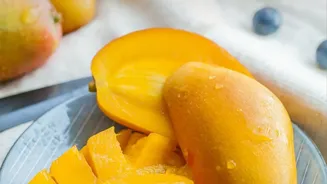
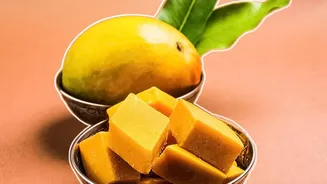
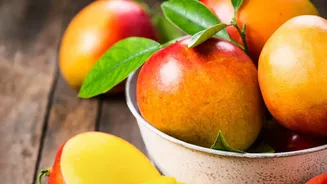
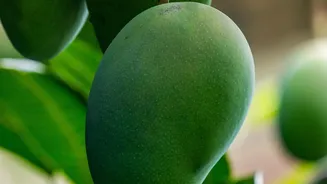
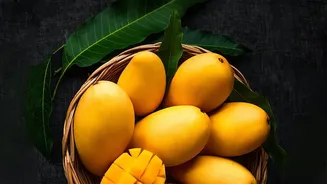
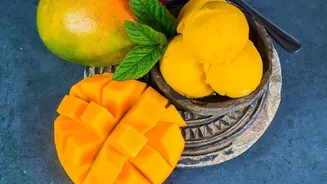
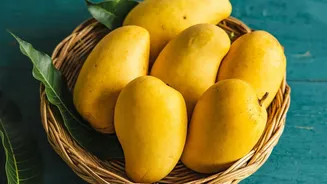
In India, the mango is more than just a fruit; it's a cultural icon, heralding the arrival of summer and deeply embedded in rituals and traditions. Revered as the 'king of fruits', its dozens of varieties, from the Alphonso to the Kesar, are a source
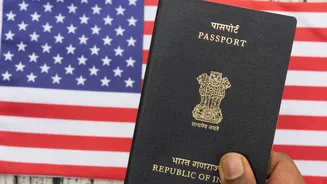
of national pride. For decades, however, this beloved fruit was conspicuously absent from American markets. In 1989, the United States banned the import of fresh Indian mangoes due to phytosanitary concerns. The US Department of Agriculture worried that pests like the fruit fly, potentially carried on the mangoes, could devastate American crops. This ban became a persistent, low-level irritant in trade relations, a symbol of the regulatory barriers that stood between the two economies.
The 'Nuclear Mango' Breakthrough
The turning point came in the mid-2000s, as the US and India were negotiating a landmark civil nuclear deal. During a visit to India in March 2006, then-US President George W. Bush was served an Alphonso mango. He reportedly declared it a "hell of a fruit." This personal enjoyment dovetailed with larger strategic goals. The two nations, led by President Bush and Prime Minister Manmohan Singh, brokered an informal but significant trade-off. India would finally grant market access to iconic Harley-Davidson motorcycles, and in return, the US would lift its 18-year-long ban on Indian mangoes. The resolution involved India agreeing to treat the fruit with irradiation to eliminate any pest-related risks. In April 2007, the first legal shipment of Indian mangoes in nearly two decades landed in the US, an event hailed as the 'nuclear mango deal'.
A Sweet Diplomatic Tradition
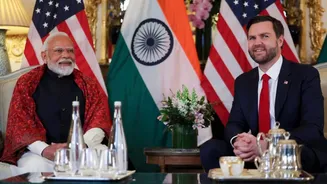
The 2007 breakthrough transformed the mango from a source of friction into a tool of soft power. Gifting mangoes has long been a part of Indian diplomatic tradition, dating back to Prime Minister Jawaharlal Nehru. But the access to the US market gave it new resonance. Subsequent US presidents and officials have been treated to the famed fruit, and the gesture has become a recurring feature of bilateral relations. It’s a tangible, and delicious, reminder of a diplomatic success story where both sides found a way to overcome a long-standing impasse. Prime Minister Narendra Modi has continued this tradition enthusiastically, often gifting boxes of prized Indian mangoes, such as the GI-tagged Kesar variety, to American and other world leaders to foster goodwill.
More Than Just a Fruit
The story of the mango is a microcosm of the broader US-India relationship. Its journey from being banned to becoming a celebrated import reflects the shift from a relationship hampered by mistrust and regulatory hurdles to one defined by strategic partnership and growing economic interdependence. While major issues like defence, technology, and security dominate official talks, symbolic gestures play a crucial role in building personal rapport and public support. The mango represents a victory for both sides: for India, it's about sharing a piece of its culture and gaining access to a valuable market; for the US, it demonstrated a willingness to find creative solutions and build trust. It shows how resolving smaller, tangible issues can create the momentum needed to tackle much larger and more complex strategic challenges.