






A National Shortfall
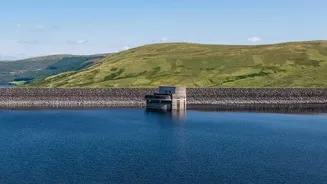
The nationwide picture reveals a concerning gap in water availability. As of early October, the combined storage in 178 of India's major reservoirs was at 71.84% of their total capacity. This figure is significantly below the levels recorded at the same
time last year and also falls short of the 10-year average, signalling a weakened water position for the country as it enters the dry post-monsoon months. The primary cause is a deficient southwest monsoon, which ended with rainfall 12.6% below the long-period average, making it the weakest monsoon in over a decade. This national deficit has left large parts of the country with inadequate soil moisture just as farmers prepare for winter sowing.
The Southern Crisis Zone
Nowhere is the crisis more acute than in Southern India. The region, which includes Andhra Pradesh, Telangana, Karnataka, Kerala, and Tamil Nadu, is facing the sharpest decline in water storage. Reservoirs in the southern peninsula are holding just 49.2% of their live capacity, a dramatic drop from 87.8% recorded a year ago. This severe shortfall is a direct result of the region receiving 24% less rainfall than normal during the monsoon. States like Karnataka and Maharashtra have already declared a drought in a large number of their administrative blocks, or taluks. In Karnataka, 217 out of 240 taluks are now officially drought-affected, with the state government estimating crop losses in the tens of thousands of crores.
Impact on Rabi Crops and Farmers
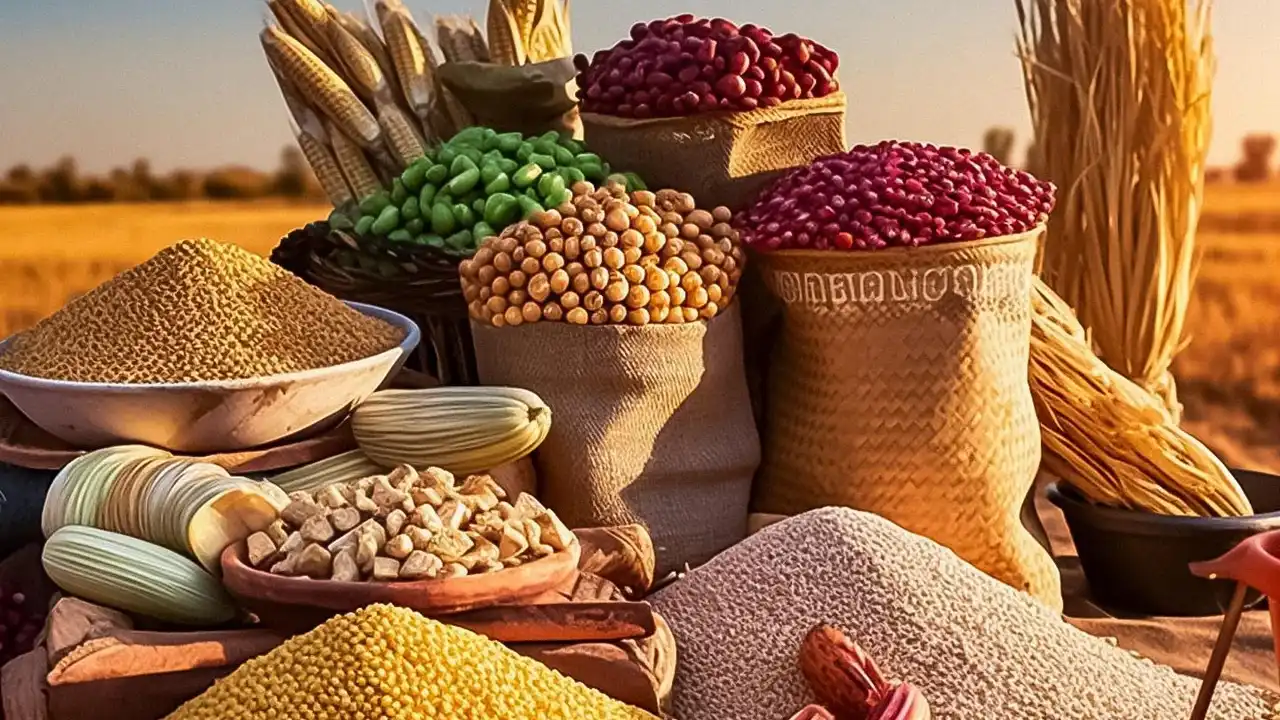
The low reservoir levels cast a long shadow over the upcoming Rabi crop season. Depleted soil moisture and insufficient irrigation water threaten the cultivation of key winter crops like wheat, pulses, and oilseeds. The government has already lowered the national foodgrain production target for 2026-27, anticipating the impact of the strengthening El Niño and widespread dry conditions. Union Agriculture Minister Shivraj Singh Chouhan has urged states facing water stress to adopt "water budgeting" and encourage farmers to cultivate less water-intensive crops. For millions of farmers, particularly in rainfed areas, the lack of water could mean delayed sowing, lower acreage, and ultimately, weaker yields and reduced incomes.
Beyond Agriculture
The consequences of the water shortage extend beyond the fields. Urban and rural areas alike face the possibility of drinking water scarcity in the coming months. State governments are already preparing for this challenge, with Karnataka, for example, earmarking funds for ensuring drinking water supply as part of its drought relief memorandum. Furthermore, the depleted reservoirs could impact hydropower generation, a crucial component of the country's energy mix. The situation in the Cauvery basin is particularly tense, with low water levels threatening to intensify the long-standing water-sharing dispute between Karnataka and Tamil Nadu as the demand for irrigation rises.
A Sign of a Larger Challenge
This year's water crisis is not an isolated event but part of a larger pattern of climate variability. The strengthening El Niño phenomenon is a major contributing factor to the poor monsoon performance. The India Meteorological Department (IMD) has forecast that rainfall between October and December could also remain below normal, further limiting the chances of replenishing reservoirs. This recurring cycle of deficient rainfall and drought underscores the urgent need for more resilient water management systems, improved irrigation efficiency, and climate-adaptive agricultural practices to safeguard India's food and water security against an increasingly unpredictable climate.