





More Than Just A Workout
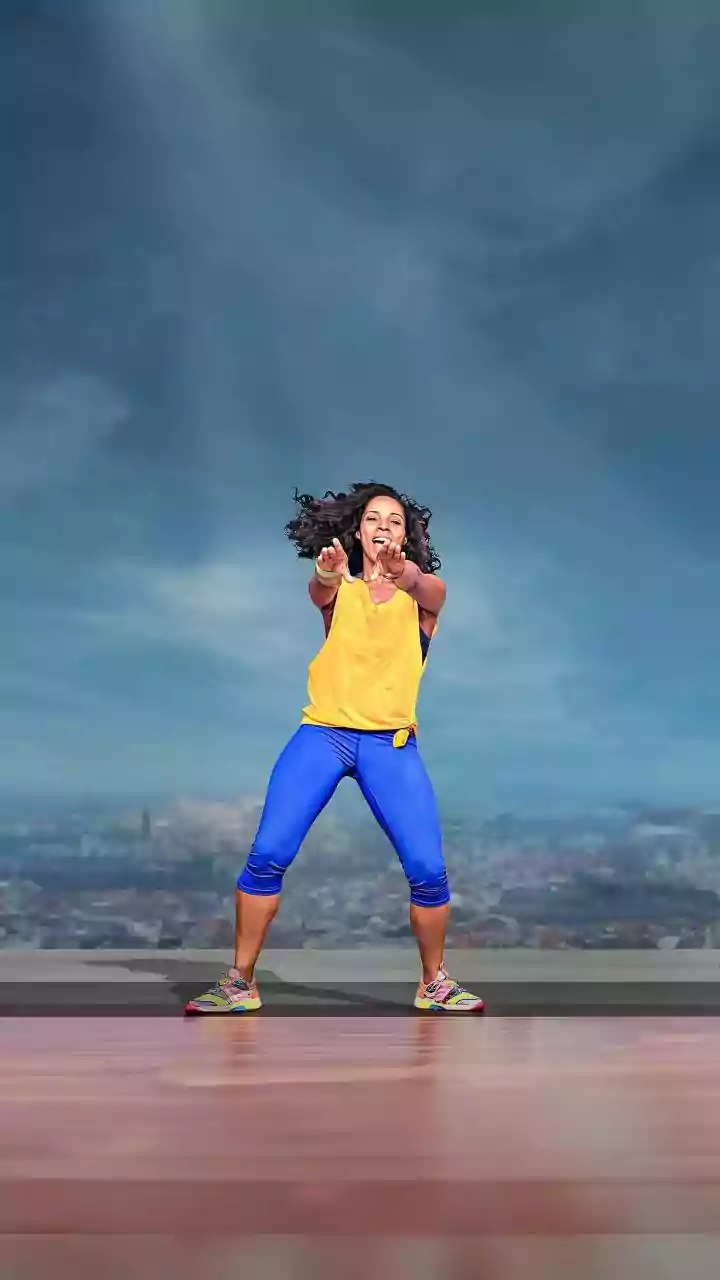
The most obvious draw of a dance class is the physical benefit. It’s a fantastic form of exercise that improves cardiovascular health, flexibility, and coordination. But unlike repetitive gym routines, dance is a workout that doesn't feel like a chore.
The combination of music, movement, and creative expression makes it an enjoyable activity, which helps people stay consistent. Wellness trends for 2026 show a clear shift away from prescriptive, performance-oriented exercise and towards experiences that are social, fun, and focus on sustainable well-being. Dance fits this mould perfectly, offering an outlet that feels more like a celebration than a workout.
A Cure for Modern Loneliness
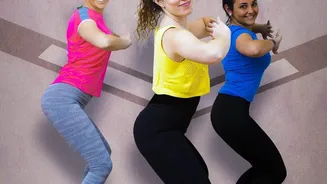
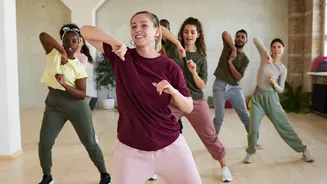
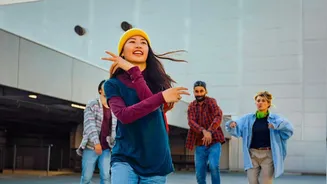
In an age of digital overload and record levels of loneliness, young adults are actively seeking genuine human connection. Group dance classes provide a structured, low-pressure environment to build community. It’s a form of what trend analysts call "soft socializing": events built around a shared activity rather than forced small talk. This approach is particularly appealing to a generation grappling with social anxiety. In a dance class, the activity takes centre stage, allowing connections to form organically through shared goals, laughter, and mutual encouragement. Studies show that dancing with others releases endorphins that promote social bonding, making people feel part of a community.
Moving for Mental Well-being
The link between movement and mental health is well-established, and dance is emerging as a powerful tool for emotional release and stress reduction. The act of dancing releases feel-good chemicals like endorphins and can help reduce symptoms of anxiety and depression. It provides an escape from repetitive negative thoughts by requiring focus on steps, music, and physical coordination. This focus creates a state of mindful movement, anchoring individuals in the present moment. Furthermore, the sense of accomplishment from learning a new routine can significantly boost self-esteem and confidence, both on and off the dance floor.
The Joy of Skill and Self-Expression
Beyond fitness and socialising, dance offers a unique avenue for creative self-expression. It’s a universal language that allows people to communicate emotions and stories without words. In a supportive class environment, participants feel safe to step out of their comfort zones and express their personalities through movement. This is part of a broader wellness trend that is moving away from data-driven self-optimization and towards activities that embrace joy, pleasure, and sensation. Learning a tangible skill provides a fulfilling sense of progress and mastery, something many young adults crave in a world of intangible digital achievements.
Finding Your Rhythm
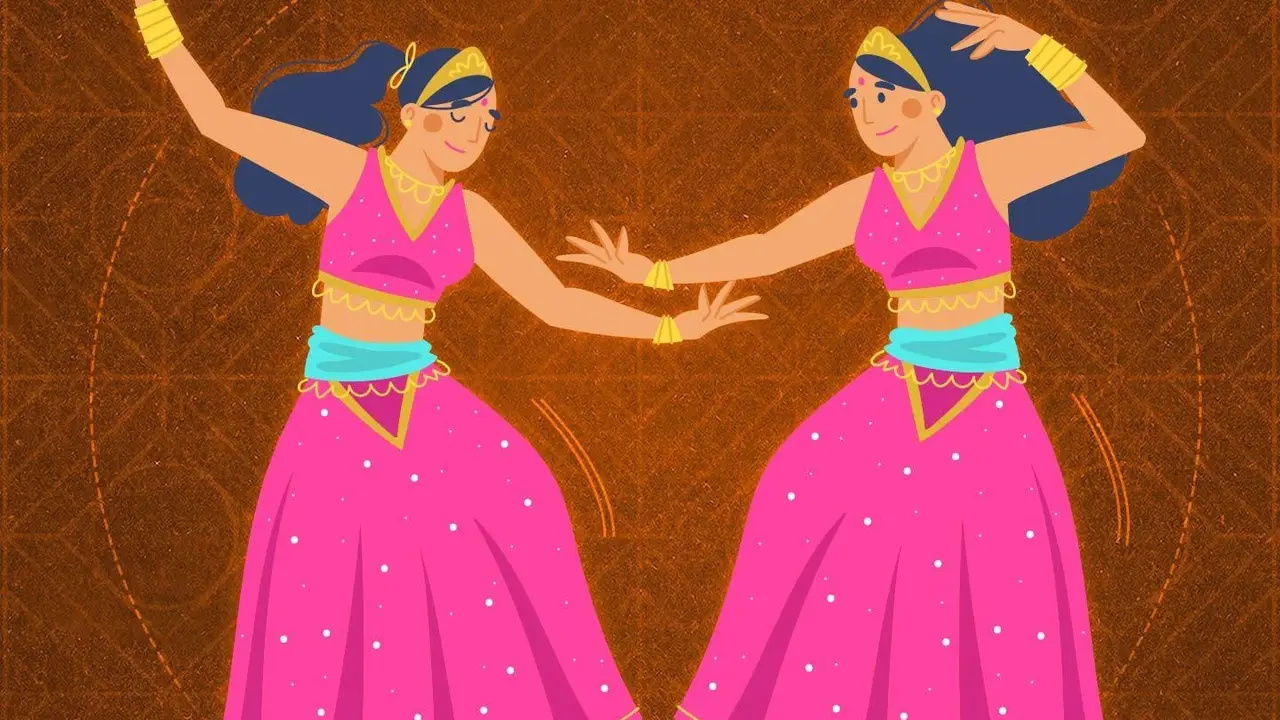
The growing popularity of dance is also fuelled by the sheer diversity of styles available. From high-energy formats like hip-hop and salsa to more expressive styles like contemporary and ballroom, there is a class to suit every taste and fitness level. This variety ensures that dance is accessible and appealing to a wide audience. Some studios are even offering therapy-inspired classes built specifically around emotional release. This trend isn't about achieving technical perfection; it's about finding a form of movement that feels good and brings you joy.