






From Urban Village to Global Stage
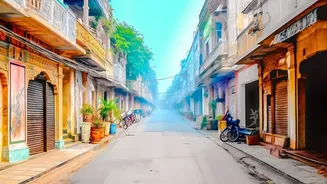
For years, Humayunpur has been one of Delhi’s best-kept secrets, a place you visited because you were in the know. Tucked away from the grandeur of South Delhi, its narrow, sometimes chaotic lanes might not scream 'cool' at first glance. But its character
isn't found in wide avenues; it’s in the vibrant community that transformed this once Jat-owned settlement into a cultural hub. The neighbourhood’s story is one of migration, as students and professionals from Nagaland, Manipur, Assam, and other parts of Northeast India made it their home over decades, gradually shaping its identity. It became a refuge and a hotspot, a place where authentic culture thrived organically, long before it became an Instagram sensation.
What Caught Time Out’s Eye?
So, why Humayunpur? The answer is simple: food and community. The neighbourhood is a paradise for food lovers, home to over 50 eateries serving authentic regional and Asian cuisine. Here, you can find everything from Naga and Manipuri thalis to Tibetan momos, Korean ramen, and Mizo delicacies. The air often carries the pungent, savoury aroma of axone (fermented soybean), a flavour distinct from mainstream Delhi fare. But it's more than just restaurants. Time Out celebrated the ecosystem of independent businesses: K-pop merchandise stores, thrift shops, tattoo studios, and karaoke bars that line the lanes. It's a place where you can explore on foot, discovering something new at every turn—a true neighbourhood experience, not a manufactured tourist trap.
The Inevitable Price of Cool
Here lies the direct consequence. International fame is a double-edged sword. While the recognition is a source of immense pride, it often triggers a process known as gentrification. As a neighbourhood becomes 'cool,' demand soars. Landlords see an opportunity, and rents begin to climb. For the very people who gave Humayunpur its unique character—the students, young professionals, and small business owners from the Northeast—this can mean being priced out of their own community. The authentic, affordable eateries may be forced to compete with slicker, more commercial establishments that can afford the higher rent. This is the paradox of 'cool': the things that make a place desirable are often the first things to disappear when the world takes notice.
What This Means for Readers
If you’re a long-time fan of Humayunpur, prepare for change. You can expect larger crowds, especially on weekends, and potentially higher prices at your favourite spots. For those who live there, the ranking brings both validation and anxiety. The challenge will be to manage the influx of attention without sacrificing the community spirit that earned the accolade in the first place. For first-time visitors drawn by the hype, the advice is to be a mindful tourist. Look beyond the most Instagrammable cafes and support the small, family-run kitchens and shops that are the true heart of the neighbourhood. Understand that this is a living community, not just a dining destination. The future of Humayunpur depends on whether its growth can be managed sustainably, preserving its soul while welcoming newcomers.