







An Unforgettable Mangrove Wilderness
The Sundarbans, a UNESCO World Heritage Site, is the largest mangrove forest on Earth, a unique ecosystem where land and water are locked in a constant embrace. This tidal delta is not a conventional national park with jeep safaris; here, the journey
itself is the adventure, and all exploration happens by boat. A week provides ample time to move beyond the usual tourist circuits and delve deeper into the network of rivers, creeks, and canals that make this landscape so extraordinary. While shorter trips of two or three days are popular for a quick glimpse, a longer duration allows for a more relaxed pace to absorb the serene beauty and increases the chances of rare wildlife encounters.
Planning Your Week-Long Itinerary
A seven-day expedition typically begins with a road journey from Kolkata to a jetty like Godkhali, the main entry point to the Sundarbans. From there, you will board a motorised boat that will serve as your primary mode of transport and, in some cases, accommodation. The first couple of days are often spent exploring the core tourist zones, including watchtowers at Sajnekhali and Sudhanyakhali. The following days can be dedicated to venturing into more remote areas, visiting quaint villages to experience the local culture, and exploring lesser-known islands. Many tour operators offer customisable packages that combine wildlife safaris, birdwatching expeditions, and cultural interactions, ensuring a comprehensive experience.
Navigating the Scenic River Channels
Life in the Sundarbans revolves around its waterways. Your safari will be on a boat, ranging from basic non-AC vessels to more comfortable premium boats or houseboats with better amenities. Gliding through these channels offers a mesmerising view of the dense mangrove forests, with their unique breathing roots, known as pneumatophores, jutting out of the mud. A standout experience offered by many tours is a quiet excursion on a small, engine-less country boat into narrow creeks where larger vessels cannot go. This silent journey allows for intimate wildlife viewing without scaring the animals, bringing you closer to the sounds and rhythms of the forest.
A Sanctuary of Diverse Wildlife
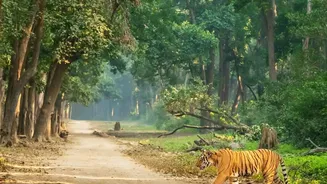
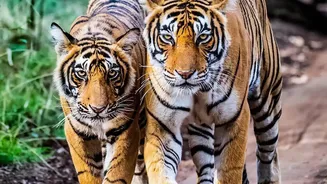
While the Sundarbans is famous as the only mangrove habitat for the Royal Bengal Tiger, the forest's biodiversity is immense. Though tigers are famously elusive, the thrill of searching for one is a key part of the adventure. However, your wildlife checklist will be filled with many other incredible species. Estuarine crocodiles can be seen basking on the muddy banks, while herds of spotted deer graze near the forest's edge. The area is also home to fishing cats, wild boars, water monitor lizards, and the endangered Olive Ridley turtle. For birdwatchers, the Sundarbans is a paradise, with over 200 species recorded, including seven types of kingfishers, white-bellied sea eagles, and numerous waders.
Best Time to Visit and Where to Stay
The ideal time to visit the Sundarbans is during the winter months, from October to March. The weather is cool and pleasant, humidity is low, and the calmer river conditions are perfect for extended boat safaris. This period also offers the best visibility for wildlife spotting. Accommodation options are varied, catering to different budgets and preferences. You can choose to stay on a houseboat for an immersive experience, waking up to the sounds of the forest. Alternatively, numerous land-based eco-resorts and lodges on islands like Bali, Gosaba, and Dayapur offer comfortable stays with modern amenities, allowing you to return to solid ground after a day on the water.