




The Protein Power in Your Bowl
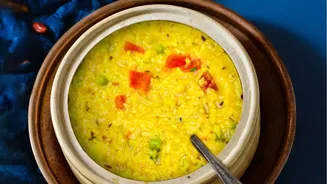
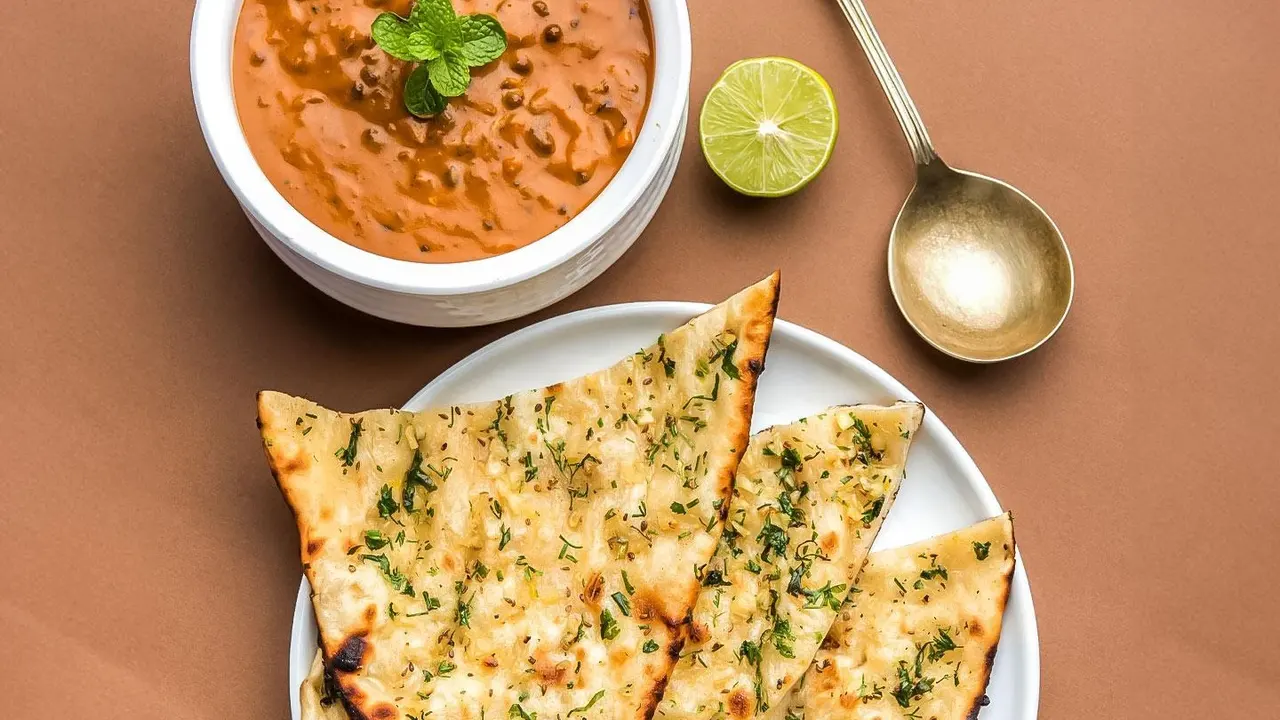
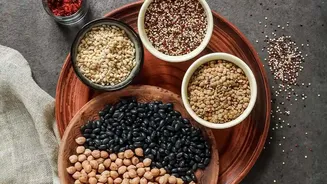
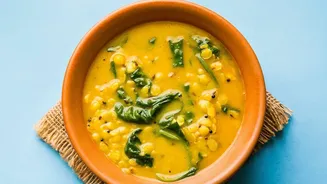
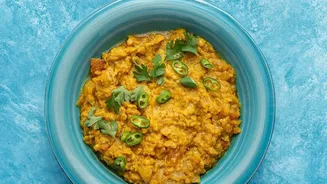
Dal is a cornerstone of Indian cuisine and rightfully praised for its protein content. A standard bowl (around 250g) of cooked dal can provide between 12 to 18 grams of protein. However, the exact amount varies. Dals like urad and chana tend to be on the higher
end, while moong and toor dal are slightly lower. The preparation also plays a significant role; a thick, well-cooked dal will have a higher protein concentration than a watery one. A single katori (about 150g) offers a respectable 7 to 12 grams of protein, making it a valuable contributor to your daily needs. But relying on it as your sole source might not be enough to meet the daily requirement of approximately 0.8 to 1 gram of protein per kilogram of body weight for an average adult.
Why 'Incomplete' Protein Isn't Bad News
You might have heard that dal is an 'incomplete' protein. This simply means it is low in one or more of the nine essential amino acids our bodies can't produce on their own. Specifically, most dals are low in the amino acids methionine and cysteine. But this isn't a flaw; it's a characteristic of most plant-based foods. Animal proteins like eggs and paneer are considered 'complete' because they contain all nine essential amino acids in sufficient amounts. The seeming deficiency in dal is actually part of a brilliant nutritional strategy built into traditional Indian meals. It’s not about what one food lacks, but how it combines with others.
The Perfect Pairing for Complete Protein
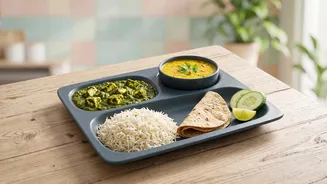
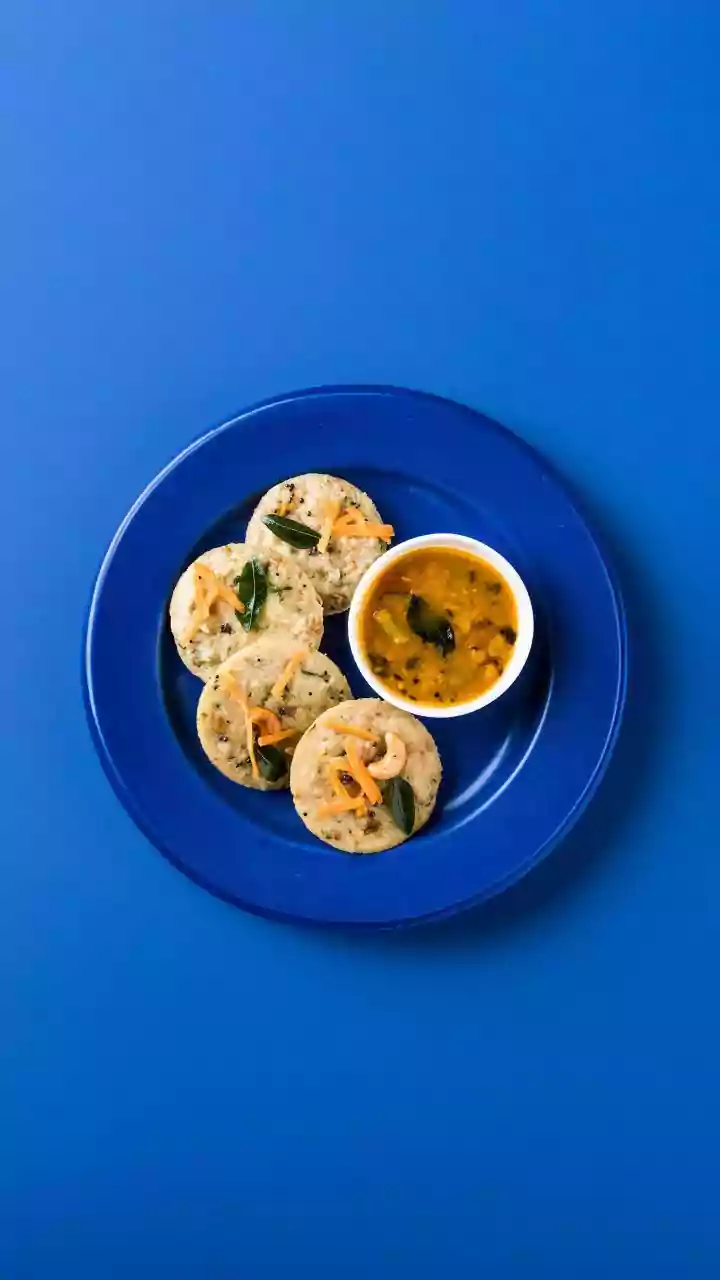
The classic combination of dal with rice or roti is not just for taste—it's nutritional genius. Grains like rice and wheat are low in the amino acid lysine, which dal has in abundance. Conversely, these grains are rich in the methionine that dal lacks. When you eat them together, they complement each other perfectly, creating a meal with a complete amino acid profile that is comparable to animal protein. This concept, known as protein complementation, is the secret behind many iconic Indian dishes. Think of rajma-chawal, chole-bhature, or idli made from a fermented batter of rice and urad dal. Each of these pairings ensures you're getting the full spectrum of essential amino acids your body needs to build and repair tissue.
Finding the Right Portion Size
This is where moderation becomes key. While dal is incredibly healthy, more isn't always better. A healthy portion is generally considered to be one to two bowls (around 200-400g) per day. Overconsumption can lead to digestive issues like bloating and gas, as dals are high in fiber. Furthermore, dal is not just protein; it also contains a significant amount of carbohydrates. Eating very large quantities could lead to an excess intake of calories and carbs, which might not align with certain health goals like weight management. Soaking lentils before cooking can help minimize digestive discomfort. The goal is to make dal a consistent part of a balanced plate, not the entire plate itself.
More Than Just Protein
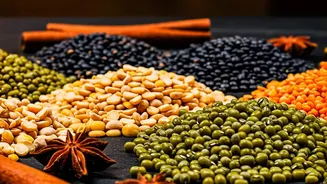
Focusing only on protein overlooks the other incredible benefits of dal. Lentils are a fantastic source of dietary fiber, which aids digestion, promotes a feeling of fullness, and helps stabilize blood sugar levels. This makes dal an excellent food for weight management and for individuals with diabetes. They are also packed with essential minerals like iron, folate, potassium, and magnesium. Folate is crucial for cell growth, while iron is vital for preventing anemia. The combination of high fiber and low fat also contributes to heart health by helping manage cholesterol levels. So, that bowl of dal is doing much more for your body than just building muscle.