




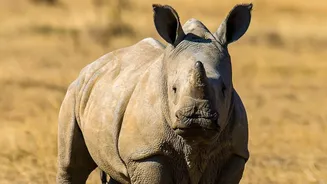
A Four-Decade Journey of Return
The story of rhinos in Dudhwa is one of ambitious restoration. After the species vanished from Uttar Pradesh for nearly a century due to habitat loss and hunting, a landmark reintroduction project began in 1984. Seven founder rhinos were carefully translocated
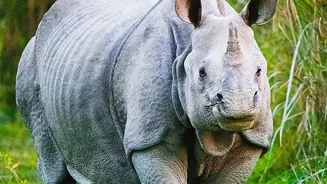
from Assam and Nepal into a specially prepared, fenced enclosure within the reserve. The goal was to establish a new, viable population far from the species' primary home in Kaziranga, spreading the risk and securing its future. The initial years were fraught with challenges, including early mortalities, but the project persevered, laying the groundwork for the success seen today. For almost 40 years, the population was carefully managed within these protected areas.
From Enclosure to Free-Ranging Freedom
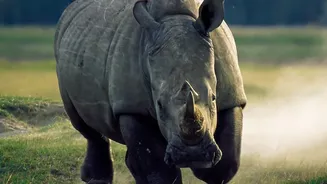
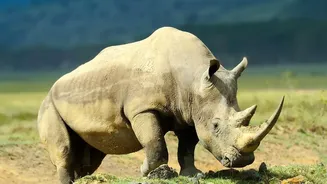
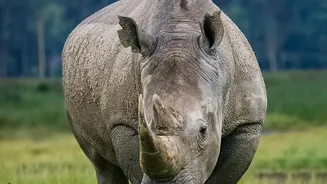
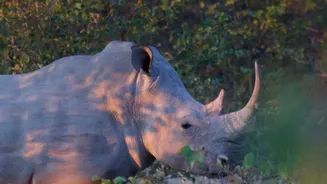
The latest chapter in Dudhwa's success story is the move towards a free-ranging population. In a series of carefully planned operations, the most recent being in March 2026, rhinos have been released from the enclosures into the core grasslands of the reserve. This is a crucial step, designed to improve genetic diversity, reduce the risks of inbreeding, and allow the animals to establish natural territories. As of mid-2026, 11 rhinos now roam freely. Each released animal is fitted with a radio collar, allowing a dedicated team from the Uttar Pradesh Forest Department and WWF-India to monitor their movements and ensure they are adapting well to their new-found freedom. This transition from a managed, enclosed population to a wild, self-sustaining one marks a major milestone for conservation in India.
The Numbers Confirm the Success
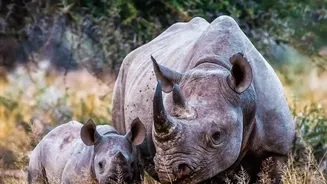
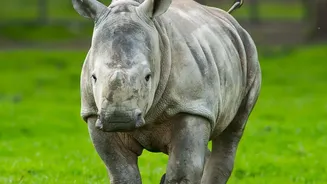
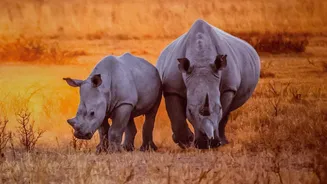
The headline isn't just wishful thinking; it's backed by data. A census conducted in June 2026 confirmed that the total rhino population in Dudhwa Tiger Reserve has risen to 53. This count includes 17 adult males, 25 adult females, and 11 calves, showcasing a healthy, breeding population. This represents a net increase of five animals from the previous census, a significant achievement considering the natural challenges, including predation and territorial disputes, that led to three recent deaths. The population is split between two Rhino Rehabilitation Areas (known as RR1 and RR2) and the growing number of free-ranging individuals, demonstrating a multi-pronged management strategy. From a founding population of just a handful of animals, the more than seven-fold increase is a testament to the project's success.
Why Dudhwa is an Ideal Stronghold
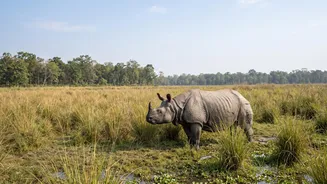
Dudhwa’s success isn't an accident. The reserve was chosen for reintroduction because its Terai ecosystem, with vast grasslands and wetlands, closely resembles the rhino's natural habitat in places like Assam. This landscape provides the food and water sources necessary for rhinos to thrive. Furthermore, rhinos are considered 'ecological engineers.' Their grazing habits help maintain the health of these grasslands by preventing dominant, unpalatable grasses from taking over, which benefits the entire ecosystem. Beyond habitat, the success is built on relentless human effort, including strong anti-poaching patrols, scientific monitoring, and management of the habitat to control invasive species.
Challenges Remain on the Horizon
While the news from Dudhwa is overwhelmingly positive, the work is far from over. Poaching remains the single biggest threat to rhinos globally and is a constant concern, especially for the animals now roaming outside fenced protection. This is countered by intensive ground patrols and intelligence-gathering operations. Other challenges include potential human-rhino conflict as the population grows and the ever-present threat of habitat loss and climate change, which can lead to droughts or severe floods that impact food sources. Maintaining genetic diversity to prevent inbreeding is another long-term priority that requires careful, science-based management and potential future translocations.