









From the Last Post to the First Sentinel
The change was set in motion during a visit by Prime Minister Narendra Modi in October 2022. Addressing the residents, he declared that border villages should not be seen as the end of the territory but as the beginning. “For me, every village at the border is the first
village of the country,” he stated, reframing the narrative from one of remoteness to one of primacy. This symbolic declaration was formalized in April 2023 when the Border Roads Organisation (BRO) installed a new signboard at the village entrance, officially designating Mana as the ‘First Indian Village’. The move was more than just a change in signage; it represented a strategic shift in national perspective, aiming to boost morale and integrate frontier communities more closely into the national story.
A Vision for Vibrant Borders
This rebranding is a cornerstone of the central government’s Vibrant Villages Programme (VVP). Launched in 2023, the programme is a comprehensive development scheme for 46 border blocks across four states and one union territory facing the northern border. With a budget of ₹4,800 crore for 2022-26, the VVP aims to reverse the trend of out-migration from these strategically vital areas by improving infrastructure and creating livelihood opportunities. For the 51 selected villages in Uttarakhand, including Mana, this means focused development in road connectivity, power supply, telecommunications, and housing. The goal is to make these villages self-sufficient and thriving hubs, strengthening them as the nation's frontline.
The Economic and Cultural Ripple Effect
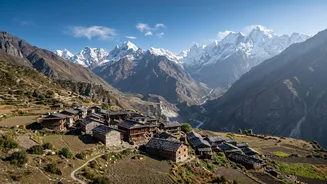
The ‘First Village’ designation has become a powerful magnet for tourism. Situated just a few kilometres from the major pilgrimage site of Badrinath, Mana has always attracted visitors with its mythological roots linked to the Mahabharata, including Vyas Gufa and Ganesh Gufa. Now, the new identity adds another layer of patriotic and curiosity-driven appeal. This influx of tourists directly supports the local Bhotiya community. Homestays are becoming more common, and local artisans are finding new markets for their products, from traditional woollen garments to unique souvenirs made from Himalayan birch bark, known as 'bhojpatra'. This economic boost is a key objective of the VVP, which seeks to generate local employment through the promotion of tourism and cultural heritage.
More Than a Name Change
For residents, the new title is a source of immense pride and optimism. It transforms their identity from being inhabitants of a remote outpost to being the proud sentinels at the nation’s gate. This psychological shift is crucial, as the government sees a vibrant and populated border as a strategic asset. By making life in these villages more sustainable and attractive, the administration aims to ensure that residents become active partners in the nation's security architecture. The VVP encourages this by not only building infrastructure but also by fostering cultural events and promoting local heritage, ensuring that development does not come at the cost of identity. The new signboard in Mana is not just a landmark; it’s a declaration of a new development philosophy.