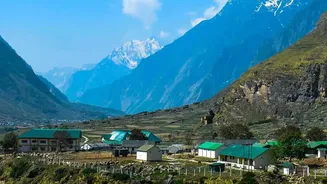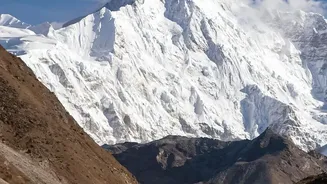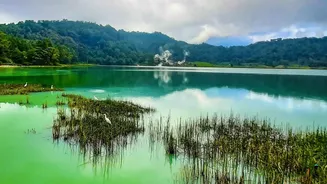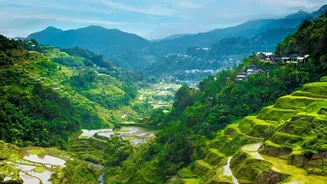




A Ticking Time Bomb in the Himalayas
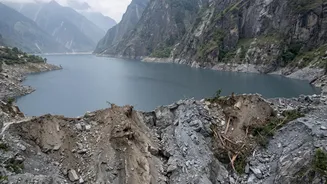
In the midst of a catastrophic flood crisis that has already claimed hundreds of lives in Nepal, a new and perilous threat has emerged. A massive landslide, triggered by the same events that caused the initial deluge, has blocked a major river, creating
what is known as a natural barrier lake or a landslide-dammed lake. This impromptu reservoir, containing millions of cubic metres of water, is now a ticking time bomb. Authorities and downstream communities are watching with bated breath, as the failure of this natural dam could unleash a sudden, catastrophic outburst flood with unimaginable consequences.
What is a Landslide-Dammed Lake?
Landslide-dammed lakes are a dangerous phenomenon common to mountainous regions like the Himalayas. They form when a large landslide—often composed of rock, soil, and other debris—tumbles down a valley and blocks the flow of a river. The river water begins to pool behind this blockage, forming a lake. The danger lies in the instability. Unlike engineered concrete dams, these natural barriers are often a loose, unconsolidated jumble of material. They can fail without warning due to overtopping, where the rising water simply flows over and erodes the dam, or through seepage, where water seeping through the dam's structure weakens it from within, leading to a sudden, total collapse. Many of these dams fail within days of their formation.
The Current Crisis on the Bhote Koshi
The current focus of concern is a barrier lake that formed near the Nepal-China border following a massive ice-rock avalanche on August 26, 2026. This event blocked the Bhote Koshi river system, a major tributary of the Trishuli River. Debris from the avalanche and subsequent flooding created a blockage, causing water to accumulate rapidly. Chinese authorities monitoring the situation reported that the lake quickly grew to hold millions of cubic metres of water and began overflowing its natural dam, raising fears of an imminent breach. Rescue efforts in the flood-ravaged areas even had to be temporarily halted due to the risk posed by the unstable lake.
The Double Threat: Blockage and Outburst
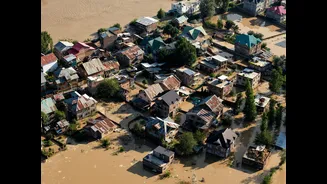
The barrier lake poses a two-fold problem. Firstly, by blocking the river, it can worsen upstream flooding as water continues to back up. But the primary and most terrifying threat is a downstream outburst flood. Experts describe a worst-case scenario where the dam fails catastrophically, releasing the entire volume of the lake in a single, rapid surge. Such an event would send a towering wall of water, mud, and debris careening down the valley, destroying everything in its path with little to no warning. This would compound the already immense devastation in districts like Rasuwa and Nuwakot, where entire villages, roads, bridges, and critical hydropower projects have already been swept away.
Why India Is Watching Closely
The crisis in Nepal is a grave concern for India, particularly for downstream states like Bihar and Uttar Pradesh. Major river systems like the Gandak (known as the Trishuli in Nepal) flow from the Nepalese Himalayas into India. A catastrophic outburst flood would not respect international borders; the surge of water would travel downstream into Indian territory, posing a severe flood risk to densely populated areas. Bodies from the initial flood have already been recovered as far downstream as Uttar Pradesh. Indian authorities are closely monitoring the situation, with disaster response teams on alert in border districts and communication lines open between the two governments. The disaster highlights the shared vulnerability of the region to Himalayan hazards.