





The Viral Myth vs. The Sobering Reality
You’ve likely seen the headlines shared across social media, painting a picture of the Irish government handing out stacks of cash to anyone willing to relocate to one of its remote offshore islands. The story suggested that a simple application could
land you a small fortune and a new life amidst stunning scenery. The reality, however, is not a relocation payment. The much-publicized money is actually a grant to help new homeowners renovate derelict properties. It’s part of a much larger, 10-year government strategy called 'Our Living Islands', designed to revitalize these communities, not just populate them with newcomers looking for a handout. The goal is to support sustainable, long-term communities by bringing abandoned houses back to life.
What the Money Actually Covers
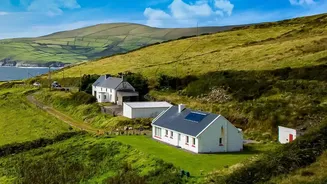
The core of the misunderstanding lies with the Vacant Property Refurbishment Grant. This isn't 'free money' for moving expenses or personal use. Instead, it is a reimbursement for costs associated with major renovations on a qualifying property that you must first purchase yourself. The grant provides up to €60,000 for a vacant home and a higher rate of up to €84,000 for a property classified as derelict, meaning it is structurally unsound. This grant is a 20% top-up on the nationwide scheme, acknowledging the higher costs of building on an island. The funds can be used for essential work like structural repairs, new roofs, installing plumbing and heating, or upgrading electrical systems. It does not cover cosmetic touches, furniture, or landscaping.
The Hurdles: Who is Actually Eligible?
The list of conditions is where the dream meets a significant reality check. First, you must purchase or already own a qualifying property on one of the approximately 23 designated islands, such as Arranmore, Clare Island, or Bere Island. The property must have been built before 2008 and have been provably vacant for at least two years. After purchasing the property and getting approval, you must pay for the renovations out of your own pocket first and then claim the grant money back after the work is completed and inspected. Furthermore, the renovated house must be used as your principal private residence or be placed on the long-term rental market; it cannot be used as a short-term holiday let or an Airbnb.
The Biggest Catch: This Isn't a Visa
For international applicants, particularly those from outside the European Union like in India, the most significant barrier has nothing to do with property. The grant provides no right to live or work in Ireland. Anyone from a non-EU country must independently go through the standard Irish immigration process to secure a valid visa, which can be a complex and demanding procedure. Owning property in Ireland does not automatically grant you residency rights. Therefore, an applicant would need the financial resources to buy a derelict home, the funds to renovate it upfront, and the legal right to live in the country long-term before even being able to truly benefit from the scheme. This crucial detail is what most viral posts conveniently left out.
The Real Goal: Reviving Island Life
The 'Our Living Islands' policy is about more than just housing. It's an 80-point action plan to ensure the long-term viability of communities that have seen their populations dwindle for decades. Many younger residents have moved to the mainland for education and work, leaving behind an aging population and empty homes. The strategy aims to improve infrastructure, high-speed broadband, transport links, healthcare, and local economies on these islands. The housing grant is just one high-profile element of a broader ambition to make island life sustainable for both current and future residents, preserving a unique and integral part of Ireland’s cultural fabric.