




From 'Last' to 'First' Village
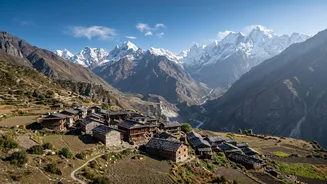
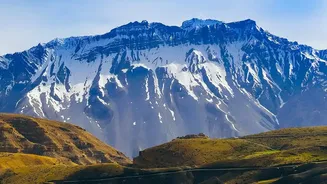
For years, Mana was a geographical footnote, famous for being the last inhabited settlement before the Indo-Tibetan border in Uttarakhand. Situated just a few kilometres from the sacred Badrinath temple, it was a remote outpost with deep mythological
significance, believed to be a place the Pandavas passed through on their way to heaven. But a simple yet powerful change in perspective has thrust it into the national spotlight. The Border Roads Organisation, with support from state and central governments, officially rebranded Mana as the 'First Indian Village'. This symbolic act reframes the narrative, turning what was once seen as an endpoint into a starting line, a gateway to the nation from its northern frontier.
The Vibrant Villages Programme
Mana's rebranding is the poster child for a much larger initiative: the Vibrant Villages Programme (VVP). Launched by the central government, this scheme is a strategic push to develop border villages across states like Uttarakhand, Himachal Pradesh, and Arunachal Pradesh. The goals are twofold. First, to improve the quality of life for residents through better infrastructure, including all-weather roads, telecom connectivity, and reliable electricity. Second, it aims to counter out-migration from these strategically important areas by creating local livelihood opportunities. By encouraging people to stay, the government hopes to foster self-reliant communities that can also serve as a subtle line of defence and observation along the sensitive northern borders. Mana is one of the first villages to see focused development under this programme.
The Tourism Boom: Promise and Potential
For villages like Mana, home to the Bhotiya community known for their woollen crafts, this new focus is a significant economic opportunity. The 'First Village' status, combined with improved accessibility, is drawing a new wave of tourists beyond the usual pilgrims. This surge boosts local businesses, from homestays and small eateries to the sale of traditional handicrafts like shawls and carpets. The government's plan to develop Mana as a designated 'Tourism Village' includes promoting its unique culture and heritage. For the wider Himalayan region, this model promises to decentralise tourism away from overcrowded hubs, spreading economic benefits to remote corners that have historically been left behind.
A Delicate Balance: The Risks of Over-Tourism
However, this boom in Himalayan tourism is a double-edged sword. The region's fragile ecosystem is already under immense pressure. Experts warn that the uncontrolled influx of tourists, coupled with large-scale infrastructure construction, is accelerating environmental degradation. Issues like massive waste generation, water stress, and increased risk of landslides are becoming critical concerns in many Himalayan towns. The very development that brings opportunity threatens the natural beauty that attracts visitors in the first place. Mana's unique culture is also at risk of dilution as it becomes more commercialised. The challenge is to manage the growth sustainably, ensuring that the development doesn't destroy the village's soul.
The Way Forward for Himalayan Journeys
Mana's story is a microcosm of the dilemma facing the entire Indian Himalayan region. The drive for connectivity and economic growth is undeniable, but it must be balanced with robust environmental safeguards and community-centric planning. The future of Himalayan tourism depends on shifting from a model of high volume to one of high value, focusing on sustainable practices that preserve both nature and local traditions. This means implementing effective waste management, regulating construction in eco-sensitive zones, and empowering local communities to have a say in how tourism develops in their own backyards. The focus on Mana provides a crucial test case: can India develop its stunning frontiers without paving over them?